15 Places to Visit in Uttarakhand: Your Ultimate Guide to Himalayan Wonders

Introduction

Nestled in the lap of the Himalayas, Uttarakhand beckons travellers with its mystical charm, offering a perfect blend of spirituality, adventure, and natural splendour. This northern state of India is not only a haven for pilgrims but also a paradise for nature enthusiasts and thrill-seekers. In this blog, we will embark on a journey to discover the 15 places to visit in Uttarakhand that showcase the diversity and beauty of this enchanting region.

Best Places to Visit in Uttarakhand

1. Rishikesh: A Spiritual Haven

Our journey begins in Rishikesh, the gateway to the Himalayas and a haven for spiritual seekers. The sacred Ganges flowing through the town sets a serene atmosphere. One can witness the mesmerizing Ganga Aarti at Triveni Ghat and experience the spiritual energy at The Beatles Ashram. For adventure enthusiasts, Rishikesh offers an adrenaline rush with white-water rafting and trekking, making it a perfect blend of tranquillity and excitement.

Rishikesh, Uttarakhand

2. Haridwar: The Gateway to the Divine

Next on our list is Haridwar, a city steeped in Hindu tradition and mythology. The ghats of Har Ki Pauri come alive during the Ganga Aarti, a divine spectacle that attracts pilgrims and tourists alike. The city’s temples and ashrams provide a deep insight into the rich cultural heritage of Uttarakhand. Haridwar is a place where spirituality meets the vibrant energy of the Ganges.

3. Nainital: The Jewel of Kumaon

Our journey takes us to the heart of the Kumaon region, where the captivating Nainital awaits. The Naini Lake, surrounded by hills, forms the centrepiece of this charming hill station. Boating on the lake and strolling down the bustling Mall Road are quintessential Nainital experiences. The Nainital Zoo and Snow View Point offer a chance to witness the region’s diverse wildlife and breathtaking panoramas.

Nainital

4. Mussoorie: The Queen of Hills

Ascending further into the Garhwal region, we arrive at Mussoorie, often referred to as the Queen of Hills. This colonial-era hill station is adorned with picturesque landscapes and Victorian architecture. Kempty Falls and Gun Hill are popular attractions, while a leisurely walk along Camel’s Back Road provides stunning views of the surrounding hills.

Mussoorie

5. Auli: Winter Wonderland

For those seeking a winter paradise, Auli is an unmissable destination. Famous for its skiing slopes and winter sports, Auli transforms into a white wonderland during the colder months. The Auli Artificial Lake adds to the scenic beauty, and the panoramic views of the Himalayan peaks are simply awe-inspiring.

Auli sking

6. Jim Corbett National Park: A Wildlife Expedition

Nature enthusiasts will find solace in the sprawling wilderness of Jim Corbett National Park, India’s oldest national park. The park is a haven for wildlife, including the elusive Bengal tiger. Safari experiences in the Dhikala and Bijrani zones offer a chance to witness the rich biodiversity and natural beauty of the region.

7. Valley of Flowers National Park: Nature’s Canvas

Venturing into the Chamoli district, we explore the UNESCO World Heritage Site, the Valley of Flowers National Park. This enchanting valley bursts into a riot of colours during the monsoon season, showcasing a diverse range of flora and fauna. Trekking through the vibrant meadows, surrounded by snow-capped peaks, is a surreal experience.

Valley of Flowers trek

8. Kedarnath: A Sacred Pilgrimage

Our journey takes a spiritual turn as we head towards Kedarnath, one of the Char Dham Yatra destinations. The Kedarnath Temple, nestled against the backdrop of the Himalayas, holds immense religious significance. The trek to Kedarnath, surrounded by majestic peaks, is a pilgrimage that transcends the physical and spiritual realms.

9. Badrinath: Char Dham Sanctity

Continuing the Char Dham Yatra, we arrive at Badrinath, a sacred town located on the banks of the Alaknanda River. The Badrinath Temple, dedicated to Lord Vishnu, is a revered pilgrimage site. Pilgrims take a dip in the hot springs of Tapt Kund, and the nearby Mana Village, often regarded as the last village before the Tibetan border, adds a touch of mystique to the journey.

10. Dehradun: Capital Charm

Our journey takes a detour to the state capital, Dehradun, a city nestled in the Doon Valley. Robber’s Cave and Sahastradhara are natural wonders that offer a retreat from city life. The Forest Research Institute showcases colonial architecture, while Paltan Bazaar invites visitors to indulge in local cuisine and shopping.

Paragliding in dehradun

11. Ranikhet: Tranquility Personified

The tranquillity of Ranikhet, a charming hill station surrounded by lush greenery, beckons travellers seeking a peaceful retreat. Jhula Devi Temple and Chaubatia Orchards are notable attractions, and the Binsar Mahadev Temple provides panoramic views of the snow-capped Himalayan peaks.

12. Almora: Ancient Temples and Cultural Riches

The historical town of Almora is a treasure trove of ancient temples and cultural heritage. Kasar Devi Temple and Bright End Corner offer spiritual solace and breathtaking views. The Binsar Wildlife Sanctuary, with its diverse flora and fauna, provides a perfect blend of nature and history.

13. Pithoragarh: Gateway to the Himalayas

Pithoragarh serves as the gateway to the Himalayas for those seeking offbeat destinations. Soarag, perched at over 6,000 feet, offers breathtaking views of the surrounding mountains. Pithoragarh Fort and Kapileshwar Mahadev Temple add historical charm to this hidden gem, and the Panchachuli peaks provide a stunning backdrop.

14. Tehri Dam: Engineering Marvel and Natural Beauty

Our journey concludes with a visit to the Tehri Dam, India’s highest dam. The dam, set against the backdrop of the Tehri Lake, is not only an engineering marvel but also a hub for water sports and adventure activities. The surrounding natural beauty, with the lake reflecting the towering mountains, creates a mesmerizing spectacle.

15. Chamoli: Gateway to Spiritual Bliss

Our journey extends to the scenic landscapes of Chamoli, often hailed as the “Abode of Gods” due to its numerous temples and spiritual significance. This gateway to spiritual bliss is nestled in the Garhwal Himalayas and boasts enchanting views of the Nanda Devi, the second-highest mountain in India.

Chamoli is home to the revered Badrinath Temple, a part of the Char Dham Yatra, drawing pilgrims seeking divine blessings. The town’s cultural richness is further exemplified by its ancient temples like the Vridh Badri and Joshimath, offering a tranquil retreat for those seeking moments of introspection. As you explore Chamoli, the pristine beauty of its meadows, the melody of its flowing rivers, and the sanctity of its temples create an atmosphere that transcends the mundane, leaving you spiritually rejuvenated.

Conclusion: Uttarakhand – A Tapestry of Experiences

Looking for the best places to visit in Uttarakhand is a tapestry of diverse experiences, offering a perfect blend of spirituality, adventure, and natural beauty. From the spiritual vibes of Rishikesh to the tranquil hills of Ranikhet, and from the wildlife expeditions in Jim Corbett National Park to the sacred Char Dham Yatra, Uttarakhand captivates the heart and soul of every traveller. Whether you seek solace in ancient temples, thrill in adventure sports, or simply wish to immerse yourself in nature’s grandeur, Uttarakhand has something magical for everyone. Plan your journey, explore the beauty, and let the Himalayas weave their spell on you.

Tirthan Valley: Unveiling the Serenity of Himachal’s Hidden Gem

Tucked away in the western Himalayas of Himachal Pradesh, Tirthan Valley remains an unspoiled paradise, a well-kept secret waiting to be discovered. If you’re seeking a tranquil retreat in the lap of nature, Tirthan Valley offers pristine rivers, lush forests, and a serene ambience. In this comprehensive guide, we will explore the hidden gem of Tirthan Valley, providing you with everything you need to plan your escape to this remote haven.

Overview of Tirthan Valley

Nestled in the Kullu district of Himachal Pradesh, Tirthan Valley is a lesser-known gem that borders the Great Himalayan National Park (GHNP). This untouched paradise offers a refuge for nature lovers and adventure enthusiasts. The valley is characterized by the gurgling Tirthan River, dense forests, and the opportunity to experience life in harmony with the environment. Tirthan Valley is a welcome break from the bustling tourist hotspots and is perfect for those looking for solace in nature.

How to Reach Tirthan Valley

By Road

Tirthan Valley can be reached by road from major cities like Delhi and Chandigarh. The journey is as enchanting as the destination itself, with scenic drives through the Himalayan foothills. Numerous buses and private cabs are available.

By Rail

The nearest railway station to Tirthan Valley is Kiratpur Sahib, approximately 150 kilometres away. From there, a picturesque road trip takes you through winding roads and lush forests to the valley.

By Air

Bhuntar Airport, also known as Kullu-Manali Airport, is the closest airport, situated around 48 kilometres from Tirthan Valley. Upon landing, you can hire a taxi or take a local bus to reach your destination.

Best Time to Visit

Tirthan Valley’s beauty changes with the seasons and each time of year has its unique charm.

Summer (March to June): The summer months bring a pleasant climate, ideal for exploring the valley. The river flows gently, and the surrounding forests are lush and vibrant.

Monsoon (July to September): Monsoon turns the valley into a lush green paradise, but be cautious of rain-induced landslides during this time.

Autumn (October to November): Autumn offers clear skies and cooler temperatures, making it the perfect time for trekking and nature walks.

Winter (December to February): Winter blankets the valley in snow, creating a pristine, magical landscape. It’s the best time for snow treks and experiencing a winter wonderland.

Top Tourist Attractions

Tirthan Valley boasts an array of attractions that capture the essence of its natural beauty and cultural diversity.

Great Himalayan National Park (GHNP)

The GHNP is a UNESCO World Heritage site and a treasure trove of biodiversity. Home to diverse flora and fauna, it offers several trekking trails for all levels.

Great Himalayan National Park (GHNP)

Jalori Pass

Jalori Pass is a high mountain pass that connects the Tirthan Valley with the Kullu Valley. The pass offers stunning views of the surrounding peaks and is a starting point for various treks.

Serlosar Lake

A short trek from Jalori Pass takes you to the serene Serlosar Lake, known for its crystal-clear waters and pristine surroundings.

Chehni Kothi

This traditional Himachali tower-style temple and fort is an architectural marvel, offering a glimpse into the region’s history and culture.

Gushaini

Gushaini is a charming village by the Tirthan River, known for its laid-back atmosphere and idyllic landscapes.

Banjar

Banjar is another scenic village offering a tranquil escape. The Banjar Valley is a paradise for nature enthusiasts.

Tirthan River

The Tirthan River, after which the valley is named, is a perfect spot for angling and trout fishing.

Outdoor Activities

Tirthan Valley provides a range of outdoor activities to help you connect with nature and rejuvenate your senses.

Trekking in the Great Himalayan National Park

With several trekking trails, GHNP caters to trekkers of all levels. Whether you’re a beginner or an experienced trekker, you’ll find a path that suits your preferences.

Fishing in the Tirthan River

The Tirthan River is a haven for anglers. You can spend leisurely hours by the river, casting your line and enjoying the tranquillity.

Birdwatching

The valley is home to a variety of bird species. Birdwatchers can spot the colourful Himalayan monal and other avian wonders.

Nature Walks and Hikes

Immerse yourself in the valley’s natural beauty by taking leisurely nature walks and hikes. The dense forests are home to diverse plant and animal species.

Camping and Stargazing

Camping in Tirthan Valley is a magical experience. Spend your nights under a star-studded sky, away from the city lights.

Wildlife and Birdwatching

The Great Himalayan National Park is a haven for wildlife enthusiasts and birdwatchers. The park is home to a variety of animals, including the elusive snow leopard, Himalayan tahr, and musk deer. Birdwatchers will be thrilled to spot species like the Himalayan griffon, western tragopan, and the Himalayan bulbul.

Accommodation Options

Tirthan Valley offers various accommodation options, catering to different preferences and budgets. Whether you prefer eco-friendly lodges, cozy homestays, or riverside cottages, you’ll find the perfect place to stay. Here are a few recommendations:

Raju Bharti Guest House: A riverside guesthouse offering comfortable accommodations and warm hospitality.

Tirthan Jibhi Camps: Eco-friendly campsites in picturesque locations, providing an immersive natural experience.

Tirthan Farm Homestay: A homestay that offers an authentic taste of Himachali life and delicious home-cooked meals.

Booking in advance, especially during the peak season, is advisable to secure your preferred accommodation.

Local Cuisine and Dining

Tirthan Valley offers a taste of Himachali cuisine, characterized by its simplicity and flavours. Local dhabas and eateries serve delicious dishes, such as Dham (a traditional Himachali meal), Chana Madra, and Babru. Enjoy the use of fresh, locally sourced ingredients that enhance the authenticity of the food.

Dham

Shopping in Tirthan Valley

While the valley isn’t known for shopping, you can explore local markets and shops to find traditional Himachali shawls, handwoven textiles, and other handicrafts. The local markets in Gushaini and Banjar are good places to look for souvenirs.

Hidden Gems

In addition to the well-known attractions, Tirthan Valley has hidden gems that are worth exploring:

Shoja Village

Shoja is a serene and picturesque village located near Jalori Pass. It’s perfect for offbeat travellers seeking peace and solitude.

Raghupur Fort

Raghupur Fort offers history enthusiasts a chance to explore a historical site that reflects the region’s past.

Travel Tips

Before you embark on your journey to Tirthan Valley, here are some essential travel tips to keep in mind:

1. Pack According to the Season: The weather in Tirthan Valley can vary greatly by season, so pack accordingly.

2. Local Transportation: Consider hiring a local guide or using local modes of transportation to explore the valley and minimize your environmental impact.

3. Respect Local Customs: Show respect for local customs and traditions, especially when visiting villages and temples.

4. Safety Precautions: Stay informed about weather conditions and terrain before embarking on treks or outdoor activities. Always prioritize safety.

Conclusion

Tirthan Valley, the hidden gem of Himachal Pradesh, is a sanctuary of natural beauty, offering solace and adventure in equal measure. Whether you’re a nature lover, a trekking enthusiast, or simply seeking a quiet escape from the hustle and bustle, Tirthan Valley has something to offer. This guide has provided you with the insights and information needed to plan your journey effectively. However, the true magic of Tirthan Valley can only be experienced in person. So, pack your bags, plan your journey, and immerse yourself in the pristine landscapes and serene culture of this Himalayan haven.

Additional Resources

For more detailed information and the latest updates, you can visit the Official Himachal Pradesh Tourism Website.

Explore some other Treks in India.

Valley of Flowers

Chadar Trek Roopkund Trek

Rishikesh Tourism 2025 | The Ultimate Guide to Yoga, Adventure, and Serenity

Rishikesh Tourism

When you think of India, images of bustling cities, vibrant festivals, and a cacophony of colors often come to mind. However, there exists a tranquil haven, nestled in the foothills of the majestic Himalayas, that offers a stark contrast to the hustle and bustle of urban life. Rishikesh, often referred to as the “Yoga Capital of the World” and the “Gateway to the Garhwal Himalayas,” is a place where serenity meets adventure, making it a must-visit destination for travelers seeking a unique and transformative experience.

Chapter 1: An Introduction to Rishikesh

Where is Rishikesh?

Rishikesh is a small town located in the northern state of Uttarakhand, India. Situated at the confluence of the Ganges (Ganga) and Chandrabhaga rivers, it is surrounded by lush forests and the towering peaks of the Himalayas.

The Spiritual Significance of Rishikesh

Rishikesh is believed to be the very spot where Lord Rama, an incarnation of the god Vishnu, performed penance for defeating the demon king Ravana. The sacred river Ganges, flowing through Rishikesh, is said to have been part of Lord Rama’s penance, making the town a place of immense spiritual power.

Another legend connects Rishikesh to Lord Krishna, who is believed to have crossed the Ganges on a jute rope at the very spot where the iconic Laxman Jhula bridge now stands. This mythological event adds to the spiritual lore of the town.

Rishikesh’s spiritual significance extends to its many ashrams and temples that dot the landscape. These centers of devotion and learning attract spiritual seekers from around the world. Parmarth Niketan, one of the largest ashrams in Rishikesh, conducts the famous Ganga Aarti ceremony daily, a mesmerizing ritual that pays homage to the sacred river.

Rishikesh’s serene natural surroundings, with the Ganges flowing through the lush valley and the majestic Himalayan peaks in the backdrop, create a perfect environment for self-reflection and spiritual growth. Whether you come seeking enlightenment, inner peace, or simply a deeper connection with the divine, Rishikesh’s spiritual significance offers a transformative experience that resonates with seekers from all walks of life.

Chapter 2: Yoga Capital of the World

The Yoga Connection

Rishikesh has earned its reputation as the “Yoga Capital of the World” for a reason. It’s a place where yoga and meditation are not just activities but a way of life. Renowned yoga gurus and schools offer courses and retreats for enthusiasts at all levels, making it the perfect place for beginners and advanced practitioners alike to deepen their practice.

A Glimpse into Yoga Ashrams

Visiting Rishikesh without experiencing life in a yoga ashram is incomplete. These retreats offer a holistic lifestyle that includes yoga, meditation, vegetarian meals, and spiritual teachings. Some of the most famous ashrams include Parmarth Niketan, Sivananda Ashram, and the Yoga Niketan Trust.

Here are the top 5 yoga ashrams in Rishikesh:

  1. Parmarth Niketan Ashram: Parmarth Niketan is one of the most prominent and largest ashrams in Rishikesh. Located on the banks of the Ganges, it offers a serene environment for yoga and meditation. The ashram conducts daily yoga classes, Ganga Aarti ceremonies, and spiritual lectures. It also hosts the annual International Yoga Festival.
  2. Sivananda Ashram: Founded by Swami Sivananda, this ashram follows the teachings of classical yoga. It offers a comprehensive yoga teacher training program (YTTC) along with daily yoga and meditation classes. The ashram also emphasizes the practice of karma yoga (selfless service).
  3. Yoga Niketan Trust: Yoga Niketan is a traditional ashram that provides a peaceful atmosphere for yoga and meditation practice. It offers various yoga courses, including hatha yoga, pranayama, and meditation. The ashram’s lush gardens and quiet surroundings make it an ideal place for spiritual seekers.
  4. Swami Dayananda Ashram: This ashram follows the teachings of Swami Dayananda Saraswati and focuses on Vedanta philosophy. It offers residential courses on Vedanta, meditation, and self-inquiry. The ashram provides a tranquil setting for those looking to deepen their understanding of spiritual wisdom.
  5. Phool Chatti Ashram: Located away from the hustle and bustle of Rishikesh town, Phool Chatti Ashram is nestled amidst nature on the banks of the Ganges. It offers yoga and meditation retreats in a peaceful environment. The ashram’s holistic approach includes yoga, Ayurveda, and spiritual guidance.

Chapter 3: Adventure Beckons

The Thrill of White-Water Rafting

For those with an adventurous spirit, Rishikesh offers thrilling experiences like white-water rafting in the Ganges. The river’s rapids range from gentle to extreme, ensuring there’s a suitable adventure for everyone, regardless of their skill level.

Trekking in the Garhwal Himalayas

Rishikesh serves as a base for treks in the Garhwal Himalayas. From short day hikes to challenging multi-day treks, there are options for all. The trek to the stunning Valley of Flowers and the awe-inspiring Kuari Pass trek are two of the most popular choices.

Bungee Jumping and Cliff Jumping

For adrenaline junkies, the town offers bungee jumping and cliff jumping experiences that will get your heart racing. Jump off a cliff into the icy waters of the Ganges, or take a leap from one of the tallest fixed platforms for bungee jumping in India.

Here are the top 5 bungee jumping spots in Rishikesh:

  1. Jumpin Heights: Jumpin Heights in Rishikesh is one of India’s first and most renowned bungee jumping destinations. It offers a 83-meter (272-foot) high bungee jump, which is one of the highest fixed platforms for bungee jumping in India. Safety standards are high, and the experienced staff ensures a memorable and safe experience.
  2. Mohanchatti Bungee Jumping: Located near Rishikesh, Mohanchatti offers an excellent bungee jumping experience. The jump is from a height of 25 meters (83 feet) and takes place from a cantilever platform situated above the Hyul River.
  3. Jump Himalaya Adventures: This adventure company offers bungee jumping experiences near Rishikesh. They have a platform set up at a height of around 25 meters (82 feet) from where you can take the leap with the picturesque Himalayan landscape as your backdrop.
  4. Gravity Zone: Gravity Zone is another adventure company that provides bungee jumping experiences in the Rishikesh area. Their platform is located at a height of about 83 meters (272 feet) above the river, offering a heart-pounding freefall.
  5. Rattlesnake Bungee: Rattlesnake Bungee is located in the village of Mohanchatti, just a short drive from Rishikesh. The jump takes place from a platform built on a cantilever structure above the Hyul River. It’s a great option for those seeking an adrenaline rush.

Chapter 4: The Serene Side of Rishikesh

The Beatles Connection

In 1968, the world-famous rock band, The Beatles, sought solace in Rishikesh. They stayed at the now-legendary Maharishi Mahesh Yogi’s ashram, which has since become a pilgrimage site for music enthusiasts. Visitors can explore the graffiti-covered ruins and soak in the spirit of the ’60s.

Spend Time at the Ghats

Rishikesh is dotted with ghats along the banks of the Ganges. Taking a serene stroll along the river, watching the daily Ganga Aarti ceremony at Triveni Ghat, or practicing yoga and meditation by the riverbank are all incredibly peaceful experiences.

The Rajaji National Park

Just a short drive from Rishikesh, the Rajaji National Park is a haven for wildlife enthusiasts. Home to diverse flora and fauna, including elephants, tigers, leopards, and over 300 species of birds, it’s a place where you can reconnect with nature.

Chapter 5: The Culinary Delights of Rishikesh

The Sattvic Experience

Rishikesh is known for its sattvic (pure and vegetarian) cuisine. Explore local cafes and ashram kitchens to savor traditional Indian dishes that not only tantalize your taste buds but also nourish your body and soul.

Read Also: Places to Visit in Pune

Chai by the Riverside

Sipping a cup of chai (Indian tea) at a riverside café while gazing at the sunset over the Ganges is a quintessential Rishikesh experience. The soothing aroma of spices and the sound of flowing water create a sensory delight.

Here are the top 5 places to eat in Rishikesh:

  1. Chotiwala: Chotiwala is a well-known and iconic restaurant in Rishikesh. It serves a variety of North Indian and South Indian vegetarian dishes. The restaurant’s charming ambiance and the friendly Chotiwala mascot make it a favorite among locals and tourists alike.
  2. The Sitting Elephant: This riverside restaurant offers a peaceful setting with stunning views of the Ganges. The Sitting Elephant serves a range of international and Indian dishes, including wood-fired pizzas, fresh salads, and traditional Indian thalis. It’s an excellent place to enjoy a leisurely meal while taking in the serene surroundings.
  3. Café Nirvana: Located near the Laxman Jhula, Café Nirvana is a popular spot for travelers seeking healthy and organic options. They offer a diverse menu of vegetarian and vegan dishes, including smoothie bowls, fresh juices, sandwiches, and traditional Indian cuisine. The rooftop seating area provides a scenic view of the river and the town.
  4. German Bakery: For those craving baked goods, German Bakery is a go-to spot. It offers an array of pastries, bread, cakes, and a variety of continental and Indian dishes. The open-air seating area is perfect for enjoying a relaxed meal.
  5. Pure Soul Café: Nestled in the heart of Rishikesh, Pure Soul Café is a cozy, rustic eatery that focuses on organic and healthy food. The menu features a range of vegetarian and vegan options, including salads, smoothies, and fresh fruit juices. The café is well-known for its tranquil ambiance and friendly staff.

Chapter 6: Practical Information for Travelers

When to Visit Rishikesh

The best time to visit Rishikesh depends on your preferences. The months of September to November and February to June offer pleasant weather for outdoor activities, while the monsoon season (July to September) adds a lush green charm to the surroundings.

Accommodation Options

Rishikesh offers a range of accommodation options, from budget hostels to luxury resorts. It’s advisable to book your stay in advance, especially during the peak tourist season.

Getting to Rishikesh

  1. By Air:
  • The nearest airport to Rishikesh is Jolly Grant Airport (Dehradun Airport), which is approximately 35 kilometres away.
  • From the airport, you can hire a taxi or take a pre-paid taxi service to Rishikesh, which is a 45-minute to 1-hour drive.
  1. By Train:
  • The nearest major railway station to Rishikesh is Haridwar Junction, which is well-connected to various cities in India.
  • From Haridwar Junction, you can take a taxi or a local bus to Rishikesh, which is about a 30-minute drive away.
  1. By Road:
  • Rishikesh is well-connected by road to major cities in northern India. You can reach Rishikesh by bus or hire a taxi.
  • If you are traveling from Delhi, you can take a direct bus from Delhi’s Interstate Bus Terminal (ISBT) to Rishikesh. The journey takes around 6-7 hours, depending on traffic conditions.
  • Alternatively, you can hire a private taxi or drive your own vehicle to Rishikesh. The distance from Delhi to Rishikesh by road is approximately 240 kilometres via NH58.

Chapter 7: Conclusion – Embrace the Magic of Rishikesh

Rishikesh, with its unique blend of spirituality, adventure, and natural beauty, is a destination that leaves a lasting impression on all who visit. Whether you seek inner peace through yoga and meditation or crave the thrill of white-water rafting and trekking, Rishikesh has something to offer every traveler.

So, pack your bags, embark on a journey to this enchanting town, and let Rishikesh captivate your heart and soul with its serene landscapes, spiritual aura, and boundless adventure. In Rishikesh, you’ll not only discover a place but also a profound sense of self and a deeper connection with the world around you. Namaste!

FAQs

FAQ 1: What is the best time to visit Rishikesh?

Answer: The ideal time to visit Rishikesh is from September to November and February to June when the weather is pleasant for outdoor activities and sightseeing. However, some adventure enthusiasts prefer the monsoon season (July to September) for the lush greenery and white-water rafting experiences.

FAQ 2: Are there any restrictions on photography and videography at Rishikesh’s spiritual sites?

Answer: Yes, many spiritual sites and ashrams in Rishikesh may have restrictions on photography and videography. It’s advisable to check with the respective authorities or guides at these locations to respect their rules and customs.

FAQ 3: What types of adventure activities are available in Rishikesh?

Answer: Rishikesh offers a wide range of adventure activities, including white-water rafting, trekking, bungee jumping, cliff jumping, camping, and zip-lining. These activities cater to adventure enthusiasts of all levels of experience.

FAQ 4: Can I find vegetarian and vegan food options in Rishikesh?

Answer: Yes, Rishikesh is known for its sattvic (pure and vegetarian) cuisine. You can easily find vegetarian and vegan food options at local cafes, ashram kitchens, and restaurants throughout the town.

FAQ 5: Is Rishikesh suitable for solo travellers?

Answer: Rishikesh is a popular destination for solo travellers. It’s safe, offers various accommodations, and provides opportunities for personal growth through yoga and meditation retreats. Solo travellers can easily meet like-minded individuals in the town.

FAQ 6: Are there any age restrictions for white-water rafting in Rishikesh?

Answer: While there may not be strict age restrictions, white-water rafting in Rishikesh can be physically demanding, and participants should be in good health. Some operators may have specific age and weight limits for safety reasons, so it’s best to check with the rafting company in advance.

FAQ 7: What is the significance of the Ganga Aarti ceremony in Rishikesh?

Answer: The Ganga Aarti ceremony is a daily ritual performed on the banks of the Ganges to worship the river and offer prayers. It is believed to cleanse the soul and bring blessings. The ceremony is a mesmerizing and spiritually uplifting experience for visitors.

FAQ 8: Are there any trekking trails suitable for beginners near Rishikesh?

Answer: Yes, Rishikesh offers trekking trails suitable for beginners. The trek to Neer Garh Waterfall and the Kunjapuri Temple trek are relatively easy and provide stunning views of the surrounding landscapes.

FAQ 9: How do I reach Rishikesh from Delhi?

Answer: Rishikesh is well-connected to Delhi by road and train. You can take a train to Haridwar and then a short taxi or bus ride to Rishikesh. Alternatively, you can hire a private taxi or take a bus directly from Delhi to Rishikesh.

FAQ 10: Are there any wildlife sanctuaries near Rishikesh for nature enthusiasts?

Answer: Yes, the Rajaji National Park, located near Rishikesh, is a haven for wildlife enthusiasts. It is home to diverse wildlife, including elephants, tigers, leopards, and various bird species. Jeep safaris and nature walks are popular ways to explore the park.

Rishikesh Camping in Shivpuri: A Perfect Adventure for Nature Lovers

Rishikesh, known as the “Yoga Capital of the World,” is also a haven for adventure enthusiasts and nature lovers. If you’re looking to combine the peace of the mountains with the thrill of outdoor activities, Camping in Shivpuri, Rishikesh, is the perfect choice. Located just a few kilometers from the main city of Rishikesh, Shivpuri offers a serene escape with activities like river rafting, trekking, and of course, camping under the stars.

In this blog post, we’ll dive into everything you need to know about camping in Shivpuri, including the best time to visit, the activities you can enjoy, and why it’s the ultimate destination for a getaway.

What Makes Shivpuri a Special Camping Spot?

Shivpuri is one of the most sought-after camping destinations in Rishikesh due to its natural beauty and abundance of adventure activities. Nestled along the banks of the Ganges, the area offers a tranquil yet exciting atmosphere that is perfect for a rejuvenating retreat.

The riverside camps in Shivpuri give you the perfect combination of relaxation and adventure. Imagine waking up to the sound of flowing river water and the chirping of birds, with a panoramic view of the mountains surrounding you. Whether you’re a solo traveler, a group of friends, or a family, Shivpuri has something for everyone.

Best Time to Visit Shivpuri for Camping

While Rishikesh is a year-round destination, the best time to visit for camping in Shivpuri is during the cooler months, from October to March. The weather is pleasant, and you can enjoy outdoor activities like rafting and trekking without the intense summer heat.

During the summer months (April to June), the temperatures can rise, making it a little too hot for comfort. If you’re planning to visit during this time, be prepared for high temperatures, especially during the daytime.

Activities You Can Enjoy While Camping in Shivpuri

One of the highlights of camping in Shivpuri is the wide range of outdoor activities available. Whether you’re an adrenaline junkie or someone who just wants to relax, you won’t run out of things to do.

River Rafting

Shivpuri is renowned for its river rafting experiences. The Ganges here offers an exciting, thrilling rapids ride, perfect for adventure seekers. You’ll be rafting through a series of rapids, with experienced instructors guiding you through each twist and turn. Rafting in Shivpuri is a must-try experience and one of the highlights of camping in this area.

Trekking and Nature Walks

If you’re someone who loves to explore on foot, Shivpuri offers a variety of trekking routes. Whether it’s a short trek to a nearby waterfall or a more challenging trail that takes you up into the hills, you’ll find plenty of options to satisfy your hiking cravings. Walking through the lush greenery and breathing in the fresh mountain air is sure to be one of the most refreshing experiences of your trip.

Bonfires and Stargazing

After a day full of adventure, nothing beats sitting around a warm bonfire, sharing stories with fellow campers, and gazing at the star-studded sky. Many camps in Shivpuri offer bonfire nights, where you can relax and enjoy the peaceful atmosphere. The clear, pollution-free skies make stargazing an unforgettable experience.

Other Activities

In addition to rafting and trekking, you can indulge in other activities like rock climbing, rappelling, kayaking, and even birdwatching. Shivpuri is home to various species of birds, and nature lovers will be thrilled to spot some of them.

Camping Facilities in Shivpuri

Camping in Shivpuri is an experience that combines comfort with nature. The campsites are well-equipped with basic amenities like tents, sleeping bags, and clean washrooms. Most camps also provide meals, so you can enjoy delicious local food without worrying about cooking.

For those who want a little extra comfort, many camps offer deluxe tents with attached bathrooms and private verandas. These deluxe tents give you the best of both worlds: you can enjoy the great outdoors while still having a few home comforts.

Why Choose Shivpuri for Your Next Camping Trip?

  1. Proximity to Rishikesh: Just a short drive from Rishikesh, Shivpuri is easy to reach, making it an ideal weekend getaway.

  2. Peaceful Environment: Unlike the hustle and bustle of Rishikesh, Shivpuri offers a peaceful and laid-back environment, perfect for relaxation and unwinding.

  3. Adventure and Nature Combined: Whether you’re into water sports, trekking, or simply enjoying the beauty of nature, Shivpuri has something for everyone.

  4. Affordable Packages: Shivpuri is home to several budget-friendly campsites, allowing you to enjoy a memorable experience without breaking the bank.

Final Thoughts

If you’re looking for a perfect blend of adventure, peace, and natural beauty, camping in Shivpuri, Rishikesh, is a must-do. From thrilling river rafting to relaxing nights under the stars, this place has it all. Whether you’re a nature lover or an adrenaline junkie, a camping trip in Shivpuri will leave you with unforgettable memories.

Ranikhet: Unveiling the Tranquil Beauty of the Himalayas

Introduction

Nestled in the Kumaon region of Uttarakhand, India, Ranikhet stands as a serene testament to the beauty of the Himalayas. Known for its breathtaking landscapes, pleasant weather, and rich history, Ranikhet has become a sought-after destination for those seeking solace in the lap of nature. In this blog, we will delve into the various facets that make Ranikhet a tranquil haven, exploring its natural beauty, cultural heritage, and the myriad experiences it has to offer.

Ranikhet’s Breathtaking Landscapes

Ranikhet is synonymous with mesmerizing landscapes that transport visitors to a world of tranquillity. The lush green meadows, dense pine forests, and panoramic views of the snow-capped Himalayan peaks create a visual symphony that captivates the soul. The popular Chaubatia Gardens, offering a kaleidoscope of flowers and fruit orchards, and the scenic Bhalu Dam, surrounded by dense deodar forests, are just a glimpse of Ranikhet’s natural wonders.

ranikhet

The Charm of Changing Seasons

One of Ranikhet’s unique features is its appeal throughout the year. Whether blanketed in snow during winter or adorned with vibrant blossoms in spring, each season brings its own magic. Summers offer a pleasant escape from the scorching heat, while monsoons transform the landscape into a lush, green paradise. Ranikhet truly is a destination for all seasons.

Exploring Ranikhet’s Heritage

Ranikhet’s Military Connection

Ranikhet has a significant military presence, with the Kumaon Regimental Centre adding a touch of valour to its charm. The KRC Museum provides a glimpse into the history of the regiment, showcasing memorabilia, artefacts, and the rich heritage of the Indian Army. The beautifully maintained Golf Course, surrounded by pine and oak trees, adds to the colonial-era ambience of the town.

Jhula Devi Temple: A Divine Sojourn

For those seeking spiritual solace, the Jhula Devi Temple is a must-visit. Dedicated to Goddess Durga, the temple is known for its bells, tied by devotees as a mark of gratitude for answered prayers. The serene surroundings and the rhythmic chiming of the bells create an aura of tranquillity, making it a spiritually enriching experience.

Adventures in Ranikhet

Trekking Trails in the Himalayan Foothills

Ranikhet offers a plethora of trekking opportunities for adventure enthusiasts. The trek to Chaubatia takes you through dense forests and offers breathtaking views of the Himalayas. The Pindari Glacier Trek, starting from nearby Kausani, is a challenging yet rewarding experience for seasoned trekkers.

Golfing Amidst Nature

The Ranikhet Golf Course, surrounded by pine and deodar trees, presents a unique golfing experience. With its undulating landscape and stunning views, it is not only a treat for golfers but also for nature lovers. Playing a round amidst the crisp mountain air is an experience that lingers long after you leave Ranikhet.

golf-course-ranikhet

Culinary Delights of Ranikhet

Local Flavors and Delicacies

No journey is complete without savouring the local cuisine, and Ranikhet doesn’t disappoint. From traditional Kumaoni dishes like Bhatt ki Churkani and Aloo Ke Gutke to the delectable Sidu, the local bread, Ranikhet offers a gastronomic journey that complements its cultural richness.

bhatt-ki-churkani

Quaint Cafes and Himalayan Tea

The town boasts charming cafes where you can unwind with a cup of hot Himalayan tea. The blend of fresh mountain air and the aroma of locally sourced tea leaves creates a perfect setting for relaxation and contemplation.

Accommodation Options in Ranikhet

Heritage Hotels and Cozy Retreats

Ranikhet offers a range of accommodation options, from heritage hotels that echo the colonial era to cozy retreats that blend seamlessly with the natural surroundings. The welcoming hospitality of the locals adds a personal touch to your stay, making it a home away from home.

Homestays: A Glimpse into Local Life

For a more immersive experience, consider staying in a homestay. Engaging with locals, experiencing their way of life, and relishing homemade Kumaoni meals add a layer of authenticity to your Ranikhet experience.

Conclusion

In conclusion, Ranikhet stands as a testament to the harmonious coexistence of nature, history, and adventure. Whether you seek a tranquil escape, wish to explore the rich cultural heritage, or crave adrenaline-pumping adventures, Ranikhet has something to offer. Each visit to this Himalayan haven unravels new facets, leaving an indelible mark on the hearts of those fortunate enough to experience its magic. Plan your journey to Ranikhet and let its serene beauty weave a tapestry of memories that last a lifetime.

Explore some other Treks in India.

Valley of Flowers

Chadar Trek Roopkund Trek

Kasol Bliss: Unraveling the Tranquil Charms of Himachal’s Hippie Haven

Nestled in the heart of the Parvati Valley in Himachal Pradesh, Kasol is a hidden gem known for its stunning landscapes, serene ambience, and vibrant backpacker culture. Often referred to as “Little Israel” due to its popularity among Israeli travellers, Kasol offers a unique blend of natural beauty, adventure, and tranquillity. In this comprehensive guide, we will embark on a journey to explore the magic of Kasol and the Parvati Valley.

Overview of Kasol

Kasol, a small village in Himachal Pradesh, is located along the banks of the Parvati River. Surrounded by lush green hills and snow-capped peaks, Kasol is a gateway to numerous trekking destinations in the Parvati Valley. Its laid-back atmosphere, multicultural vibe, and stunning vistas make it a favourite among backpackers, trekkers, and nature enthusiasts.

How to Reach Kasol

By Road

Kasol can be reached by road from major cities like Delhi and Chandigarh. The scenic drive through the hilly terrain offers breathtaking views of the Himalayas. Buses and private cabs are readily available.

By Rail

The nearest railway station to Kasol is Joginder Nagar, which is well-connected to major cities. From Joginder Nagar, you can hire a taxi to reach Kasol, which is approximately a 5-hour drive away.

By Air

The nearest airport is Bhuntar Airport (Kullu-Manali Airport), located about 31 kilometres from Kasol. From the airport, you can hire a taxi or take a local bus to reach Kasol.

Best Time to Visit

Kasol is a destination that can be enjoyed throughout the year, each season offering a different charm.

Summer (March to June): Summer is the peak tourist season. The weather is pleasant, making it ideal for treks and exploration. The Parvati River gushes with crystal-clear water.

Monsoon (July to September): Monsoon brings lush greenery to the valley, but it’s essential to be cautious of landslides during this season.

Autumn (October to November): Autumn offers clear skies and cooler temperatures, making it perfect for trekking and nature walks.

Winter (December to February): Winter brings snow to the valley, creating a magical landscape. It’s the best time for snow treks and experiencing a winter wonderland.

Top Tourist Attractions

Kasol and its surroundings offer a wealth of attractions that capture the essence of its natural beauty and cultural diversity.

Manikaran Sahib Gurudwara

Located just a few kilometres from Kasol, Manikaran Sahib is a significant pilgrimage site for Sikhs and Hindus. The hot springs, temple, and peaceful surroundings make it a must-visit.

Parvati River

The Parvati River flows through Kasol, providing the perfect spot for leisurely walks, picnics, or just unwinding by the riverside.

Chalal Village

A short trek from Kasol takes you to Chalal, a picturesque village known for its lush greenery and tranquil atmosphere.

Tosh Village

Tosh is another scenic village situated at the end of a steep trek. It’s famous for its apple orchards, stunning views, and warm hospitality.

Rasol

Rasol is a hidden gem in the Parvati Valley. The village offers an opportunity to experience local culture and is known for its laid-back ambience.

Grahan

Grahan is another lesser-known trekking destination. It’s an excellent place for experiencing the rustic lifestyle and pristine landscapes.

Kheerganga Trek

The Kheerganga trek is one of the most popular treks in the Parvati Valley, leading to a picturesque meadow with a hot water spring and stunning mountain views.

Trekking and Adventure Activities

Kasol is a paradise for adventure enthusiasts and trekkers. Here are some of the trekking and adventure activities you can enjoy:

Kheerganga Trek

The Kheerganga trek is an experience of a lifetime. The 12-kilometer trek takes you through lush forests, waterfalls, and hot water springs.

Malana Trek

Malana is known for its distinct culture and the Malana Trek is a great way to explore the village, offering insights into its unique way of life.

Fishing and Angling

The Parvati River is an excellent spot for fishing and angling. Spend a relaxing day by the river with your fishing gear.

Riverside Camping

Camping by the riverside is a popular activity in Kasol. You can rent tents and enjoy a night under the stars with the sound of the Parvati River in the background.

Rafting in the Parvati River

For the adventure-seekers, white-water rafting in the Parvati River provides an adrenaline rush with its gushing waters and challenging rapids.

Exploring Local Villages

The villages in the Parvati Valley offer a unique cultural experience. Interact with the locals, learn about their customs, and taste traditional Himachali cuisine.

Cafes and Local Cuisine

Kasol is known for its vibrant cafe culture. The village is dotted with charming cafes offering a variety of international cuisines, including Israeli, Italian, and Tibetan. Some popular cafes include Evergreen, Little Italy, and Jim Morrison Cafe. Don’t forget to try local delicacies like Chana Madra, Dham, and Babru.

Accommodation Options

Kasol offers a range of accommodation options to cater to different preferences and budgets. From budget hostels to mid-range hotels and guesthouses, you’ll find a variety of choices. Here are a few recommendations:

The Hosteller Kasol: A backpacker-friendly hostel with a lively atmosphere.

Parvati Kuteer: A mid-range option with cozy cottages offering splendid views.

Sun ‘N’ Wind Guest House: A budget-friendly choice with comfortable accommodations and a peaceful setting.

It’s advisable to book your accommodations in advance, especially during the peak tourist season, to ensure you have a place to stay.

Shopping in Kasol

Kasol’s markets offer a delightful shopping experience. You can explore local markets, craft shops, and clothing stores. Some popular items to buy as souvenirs include handmade jewellery, traditional clothing, and local handicrafts.

Hidden Gems

While Kasol’s well-known attractions are a must-visit, there are hidden gems in the Parvati Valley waiting to be discovered:

Kalga and Pulga Villages: These lesser-visited villages offer tranquillity and scenic beauty.

Pin Parvati Pass: For seasoned trekkers, the Pin Parvati Pass trek offers a challenging adventure with breathtaking views.

Travel Tips

Before you embark on your journey to Kasol, here are some essential travel tips to keep in mind:

1. Pack According to the Season: The weather in Kasol can vary significantly by season, so pack clothing accordingly.

2. Local Transportation: To explore the Parvati Valley, consider hiring a local guide or using local modes of transportation.

3. Respect Local Customs: Show respect for local customs and traditions. Seek permission before photographing individuals, especially in rural areas.

4. Stay Hydrated: The hilly terrain and outdoor activities may leave you feeling dehydrated, so carry a reusable water bottle and stay hydrated.

Conclusion

Kasol, often referred to as “Little Israel” for its popularity among Israeli travellers, is a paradise in the Parvati Valley. It offers a unique blend of natural beauty, adventure, and tranquillity. Whether you’re a trekking enthusiast, a nature lover, or someone seeking a cultural experience, Kasol has something for everyone. This guide aims to provide you with the insights and information needed to plan your journey effectively. However, the true magic of Kasol can only be experienced in person. So, pack your bags, plan your journey, and immerse yourself in the breathtaking landscapes and vibrant culture of Kasol and the Parvati Valley.

Additional Resources

For more detailed information and the latest updates, you can visit the Official Himachal Pradesh Tourism Website.

Read More – 

Unveiling Shimla: Exploring Hill Station Charm and Heritage Marvels

Lansdowne: A Serene Hill Station Retreat in India

Mussoorie Travel Guide: Embrace Nature’s Beauty in the Queen of Hills

The Enchanting Capital of Uttarakhand: A Travel Guide to Dehradun

Exploring Manali: A Complete Guide to the Ultimate Himalayan Getaway

Kheerganga Trek: A Journey to the Mystical Hot Springs of Himachal

Introduction

Nestled in the lush Parvati Valley of Himachal Pradesh, the Kheerganga Trek is a captivating blend of natural beauty, spiritual significance, and the allure of hot springs. This enchanting journey offers adventure seekers and trekkers an opportunity to explore the mystical realms of Himachal. In this comprehensive guide, we will embark on a virtual expedition to Kheerganga, providing all the information needed to plan your adventure to this Himalayan paradise.

Overview of Kheerganga Trek

Location

Kheerganga is situated in the Parvati Valley of Himachal Pradesh, India. This trek is renowned for its moderate difficulty level and the therapeutic hot springs.

Duration

The trek typically spans 2 to 3 days, depending on the specific route and pace chosen by the trekkers.

Difficulty

The Kheerganga Trek is suitable for trekkers of various experience levels, making it a popular choice for both beginners and seasoned hikers.

Best Time to Trek

The best time to undertake the Kheerganga Trek is during the summer months, from May to June and then from September to November. The weather is pleasant, and the trails are usually free of snow.

How to Reach the Base Camp

To initiate your Kheerganga adventure, you must reach Barshaini, the starting point of the trek. Here’s how to get there:

By Air

The nearest airport is Bhuntar Airport, also known as Kullu-Manali Airport, which is well-connected to major Indian cities. After landing at Bhuntar, you can hire a taxi to Barshaini, which is approximately a 3-4 hour drive.

By Road

You can also reach Barshaini by road. The nearest major cities are Bhuntar and Manali, which have good road connectivity. From Manali, it’s about a 3-4 hour drive to Barshaini.

By Bus

Regular state-run and private buses operate from major cities to Manali and Bhuntar. From these cities, you can catch a local bus to Barshaini.

Best Time to Trek

The ideal seasons for trekking to Kheerganga are during the summer and early autumn. Here’s why:

Summer (May to June)

This is when the region is lush and vibrant, and the weather is pleasant for trekking. The nights can be chilly, so pack accordingly.

Autumn (September to November)

Post-monsoon, the landscape is refreshed, and the weather remains favourable. The crowds are thinner, offering a more serene experience.

Trek Itinerary

The Kheerganga Trek offers an immersive journey through stunning landscapes and spiritual charm. Here’s a day-by-day itinerary of the trek:

Day 1: Barshaini to Kheerganga

  • The trek begins at Barshaini, taking you along the Parvati River.
  • Explore the quaint village of Nakthan and Rudra Nag Waterfall.
  • Reach Kheerganga, where you can dip in the hot springs and camp under the starlit sky.

Day 2: Kheerganga to Barshaini (Optional)

  • If you wish to extend your trek, you can explore nearby villages like Tosh or return to Barshaini for a comfortable night’s rest.

kheerganga trek

Highlights of the Trek

The Kheerganga Trek is studded with incredible highlights, including:

Parvati River: Enjoy scenic walks along the Parvati River, with its clear waters and picturesque landscapes.

Rudra Nag Waterfall: Witness the beauty of Rudra Nag Waterfall, a perfect place to take a refreshing break.

Kheerganga Hot Springs: Relax in the therapeutic hot springs of Kheerganga, known for their healing properties.

Panoramic Views: Throughout the trek, relish breathtaking vistas of the Parvati Valley and the surrounding peaks.

Malana Village (Optional): For those seeking an adventure, an optional side trip to Malana, known for its unique culture, is a possibility.

Serene Forests and Meadows: Walk through serene alpine meadows and enchanting forests, filled with lush greenery.

Parvati River

Flora and Fauna

The Parvati Valley boasts a rich biodiversity, featuring alpine and subalpine flora such as pine, deodar, and fir trees. In addition, wildlife enthusiasts can spot various species, including Himalayan goats and an array of birdlife. To protect this pristine environment, responsible trekking practices are essential.

Camping and Accommodation

Camping is an integral part of the Kheerganga Trek, with designated campsites available for trekkers. You can expect basic facilities such as tents, sleeping bags, and meals from the support staff. For trekkers seeking a different experience, Kheerganga also offers guesthouses and dormitories.

Local Cuisine and Dining

While trekking to Kheerganga, you’ll have the opportunity to savour delightful Himachali and Israeli cuisine at local dhabas and cafes. Some popular dishes include Thukpa, Momos, and Israeli Shakshuka. These hearty meals are not only delicious but also provide nourishment and warmth in the cool mountain climate.

Israeli Shakshuka

Challenges and Preparations

While the Kheerganga Trek is of moderate difficulty, preparation is essential. Here’s what you need to know:

Physical Fitness: Improve your physical fitness with cardio and strength training to tackle the rugged terrain.

Packing: Pack essentials such as warm clothing, waterproof gear, sturdy trekking shoes, and a comfortable backpack.

Safety and Health Tips

Safety is a priority in the mountains. Here are some safety and health tips for trekkers:

Altitude Awareness: Be mindful of altitude-related symptoms, and carry necessary medications.

Hydration: Stay well-hydrated and refrain from alcohol and smoking to prevent altitude-related issues.

Weather Caution: Keep an eye on weather conditions, especially during the monsoon season.

First Aid Kit: Carry a basic first aid kit for minor injuries and illnesses.

Responsible Trekking

Responsible trekking is vital to preserve the pristine environment and cultural heritage of Kheerganga. Embrace Leave No Trace principles, dispose of waste responsibly, and respect local customs. Consider supporting the local economy by purchasing handicrafts and products from artisans.

Spiritual Significance

Kheerganga is not only a natural marvel but also a place of spiritual significance. According to local legend, Lord Shiva meditated at Kheerganga, and the hot springs are believed to have therapeutic properties. Many trekkers find a sense of tranquillity and spirituality during their visit.

Conclusion

The Kheerganga Trek is a journey that weaves together the allure of natural beauty, the warmth of the hot springs, and a spiritual connection with the Himalayas. From the enchanting landscapes along the Parvati River to the therapeutic hot springs of Kheerganga, this trek offers an array of experiences for travellers.

Explore some other Treks in India.

Valley of Flowers

Chadar Trek Roopkund Trek

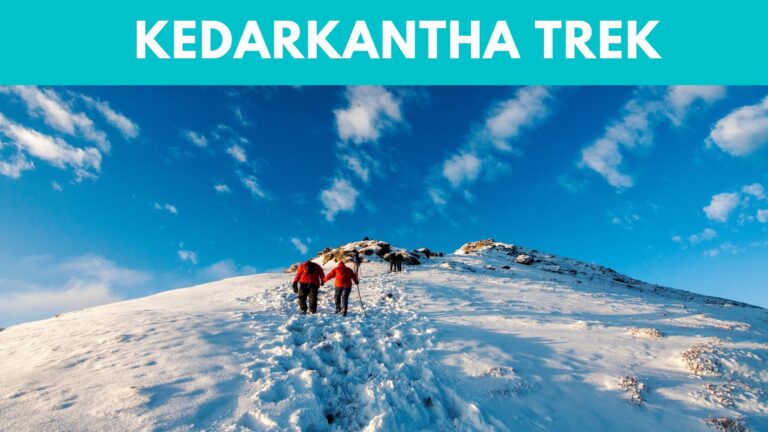
The Ultimate Guide to the Kedarkantha Trek in Uttarakhand

Introduction

In the heart of Uttarakhand, nestled amidst the majestic Himalayan peaks, lies an adventure waiting to be experienced – the Kedarkantha Trek. This trek is a testament to the unending beauty of the Himalayas, offering trekkers an opportunity to witness nature’s grandeur up close. In this comprehensive guide, we’ll take you through the Kedarkantha Trek, from its allure and preparation to the enchanting scenery and the challenges it presents.

Overview of the Kedarkantha Trek

The Kedarkantha Trek is a remarkable journey that typically spans over 5 to 6 days, covering a distance of around 20 kilometres. It’s renowned for being a trek suitable for all experience levels, and the best time to embark on this adventure is from December to April when the trail is covered in pristine snow.

The trek usually commences from Dehradun or Sankri, a quaint village in Uttarakhand. From here, trekkers embark on a journey that takes them through snow-covered landscapes and dense forests.

Preparing for the Trek

Proper preparation is key before you embark on the Kedarkantha Trek. Packing essentials such as appropriate clothing, sturdy trekking boots, and a reliable backpack is essential. Given the winter conditions, warmth and waterproof gear are a must.

Physical fitness plays a vital role, considering you’ll be ascending to higher altitudes. Engage in cardiovascular exercises and strength training well in advance to ensure your body is ready for the challenges that lie ahead.

Day-wise Itinerary

The Kedarkantha Trek is divided into several stages, each offering its own unique experiences:

Day 1

Dehradun to Sankri: The trek often begins with a picturesque drive from Dehradun to Sankri. This is an opportunity for trekkers to acclimatize and enjoy the serene journey.

Day 2

Sankri to Juda-ka-Talab: The trail takes you through dense pine forests and snow-covered meadows. You’ll camp by the frozen Juda-ka-Talab, a beautiful lake.

Day 3

Juda-ka-Talab to Kedarkantha Base Camp: The trek continues through pristine snow, offering fantastic views of the surrounding valleys. The Kedarkantha Base Camp is your resting place for the night.

Day 4

Kedarkantha Summit and Back: The highlight of the trek is the ascent to the Kedarkantha Summit, where you’ll be rewarded with breathtaking views of the Himalayan ranges. After soaking in the beauty, you’ll descend to the base camp.

Day 5

Kedarkantha Base Camp to Hargaon: The trail descends through forests and meadows, taking you to the charming village of Hargaon.

Day 6

Hargaon to Sankri: The trek concludes as you make your way back to Sankri, retracing the steps of your incredible journey.

kedarkantha trek

Source

Breathtaking Scenery

The Kedarkantha Trek showcases the natural beauty of Uttarakhand. From dense pine forests and snow-covered meadows to serene lakes and breathtaking mountain vistas, the landscapes evolve as you traverse the trail. The changing scenery keeps trekkers captivated throughout their journey.

Kedarkantha Summit

The pinnacle of your adventure is reaching the Kedarkantha Summit, which stands at approximately 12,500 feet. The high altitude can affect your breathing, so proper acclimatization is crucial. Additionally, weather conditions can change rapidly, so being prepared for sudden temperature shifts is essential.

However, the reward is immeasurable. From the summit, you’ll have unparalleled views of the surrounding peaks, including the Swargarohini, Bandarpoonch, and Black Peak.

Charming Campsites

Camping is an integral part of the Kedarkantha Trek, with campsites that connect you to the raw beauty of the region. From Juda-ka-Talab, where you camp by the frozen lake, to the Kedarkantha Base Camp, each campsite offers a unique and serene experience.

Camping in these locations allows you to immerse yourself in nature, away from the noise and distractions of city life.

Wildlife Encounters

The Kedarkantha Trek is not just about the scenery; it’s also an opportunity to encounter the local wildlife. Along the way, you may spot Himalayan goats, musk deer, and a variety of bird species. It’s important to maintain a respectful distance and practice responsible wildlife observation.

Local Culture and Villages

While the natural beauty is awe-inspiring, the local culture and interactions with the people of Uttarakhand are equally enriching. As you journey through small villages and settlements, you’ll have the chance to immerse yourself in the traditional way of life. The warm hospitality of the locals and their unique customs add depth to the trekking experience.

Cuisine on the Trail

The cuisine along the trek is an adventure in itself. Trekkers are treated to a range of local and regional dishes, from comforting soups to delicious rotis. Campfire-cooked meals and warm beverages are essential for staying nourished and energized during the trek.

Challenges and Safety

The Kedarkantha Trek presents physical and environmental challenges that trekkers need to be aware of. Altitude sickness is a concern, so proper acclimatization is crucial. Weather conditions can change unexpectedly, so having the right gear is essential for safety. It’s also important to trek responsibly, leaving no trace of your journey and respecting the environment.

The Rewards of the Kedarkantha Trek

The Kedarkantha Trek is not just about the physical challenge; it’s also about the personal growth, sense of accomplishment, and unforgettable moments that trekkers gain from this experience. The journey inspires a sense of wonder, providing a unique opportunity to disconnect from the ordinary and embrace the extraordinary.

Planning Your Kedarkantha Trek

For those eager to embark on the Kedarkantha Trek, planning and preparation are essential. Many trekking agencies offer guided tours, providing experienced guides and necessary permits. The cost of the trek can vary, so it’s essential to do your research and choose the option that suits your preferences and budget.

Conclusion

The Kedarkantha Trek is a journey into the heart of Uttarakhand, offering trekkers an unparalleled opportunity to explore some of the most breathtaking landscapes in the region. From lush valleys and serene lakes to the challenges of conquering the Kedarkantha Summit, this trek promises memories that will last a lifetime. Whether you’re an experienced trekker or a novice seeking adventure, the Kedarkantha Trek is an opportunity to connect with nature and discover the beauty of the Indian Himalayas.

For those eager to embark on the Kedarkantha Trek, there are numerous resources available to help plan your journey. Trekking agencies, travel guides, and further reading materials can provide valuable information and guidance to ensure your adventure is a success.

Explore some other Treks in India.

Valley of Flowers

Chadar Trek Roopkund Trek

How to Travel with a Low Budget: Your Guide to Affordable Adventures

Introduction

Travelling doesn’t have to be a luxury reserved for the wealthy. With the right approach and a bit of planning, you can explore new destinations and create unforgettable memories without breaking the bank. In this guide, we’ll show you how to travel with a low budget and embark on affordable adventures that will enrich your life and broaden your horizons.

Tip to travel with a Low Budget

Setting a Realistic Budget

Before you start packing your bags, it’s essential to set a realistic budget for your trip. A well-planned budget will serve as your financial compass, guiding you throughout your journey.

Consider the following steps:

1. Determine Your Overall Budget

Begin by calculating your total travel budget, which should include expenses for transportation, accommodation, food, activities, and an emergency fund. Having a clear financial plan will help you stay on track and avoid overspending.

2. Create a Detailed Budget Plan

Break down your budget into categories, allocating a specific amount to each. For example, decide how much you’ll spend on flights, accommodation, daily meals, and activities. This level of detail will help you make informed choices while on the road.

3. Track Your Expenses

During your trip, keep a record of your expenses. This will help you monitor your spending and ensure you’re staying within your budget. There are several smartphone apps available that can assist with expense tracking.

Setting a Realistic Budget for travel

Choosing Affordable Destinations

Selecting the right destination is a crucial aspect of budget travel. Some places are naturally more budget-friendly than others. Here are a few tips for choosing affordable destinations:

1. Consider Exchange Rates

Keep in mind that exchange rates can significantly impact your budget. Research destinations with favourable exchange rates or those where your currency holds a strong value.

2. Research Local Costs

Look into the cost of living in potential destinations. Some countries and cities are known for being more affordable, making your money go further.

3. Off the Beaten Path

Consider less touristy destinations. These places often offer a more authentic experience and lower prices compared to heavily touristed areas.

Finding Cheap Transportation

Getting to your destination and moving around can be a significant part of your travel expenses. To save money on transportation, follow these tips:

1. Book Tickets in Advance

If you’re planning to fly, purchase your tickets well in advance. Airlines often offer better deals to early birds.

2. Use Fare Comparison Websites

Take advantage of fare comparison websites and apps to find the best deals on flights, buses, and trains.

3. Consider Alternative Airports and Routes

Look for flights to or from nearby airports. Sometimes, travelling a bit further can lead to substantial savings. Additionally, be open to flexible dates as you may find lower fares.

Affordable Accommodation

Accommodation is another significant expense while travelling, but there are plenty of ways to keep it budget-friendly:

1. Hostels and Guesthouses

Hostels and guesthouses are excellent options for budget travellers. They offer a chance to meet fellow travellers and share the costs of your stay.

2. Airbnb

Airbnb provides a variety of affordable accommodation options, including private rooms or entire apartments. You can cook your meals, saving money on dining out.

3. Budget Hotels

Many budget hotel chains offer comfortable, clean rooms at affordable prices. Look for discounts or loyalty programs to save even more.

4. Stay in Less Touristy Areas

Accommodations in touristy neighbourhoods tend to be more expensive. Consider staying in less frequented areas, which may offer lower rates.

Saving on Food and Dining

Exploring local cuisine is an essential part of any trip, but dining out can quickly eat up your budget. Here are some strategies for enjoying food without overspending:

Try Street Food and Local Markets

Street food and local markets often offer delicious, authentic dishes at a fraction of the cost of restaurants.

Self-Catering

If your accommodation includes a kitchen, take advantage of it. You can save money by preparing your meals using local ingredients.

Regional and Local Specialties

Sample regional and local dishes; they are usually more affordable and provide an authentic culinary experience.

street food

Traveling Light and Packing Smart

Packing efficiently can save you money by avoiding baggage fees and making your journey more comfortable:

1. Pack Light

Travel with a carry-on or a backpack to avoid checked baggage fees and streamline your journey.

2. Essential Items

Make a list of essential items like clothing, toiletries, and electronics. Leave non-essentials at home to lighten your load.

3. Versatile Clothing

Choose versatile clothing items that can be mixed and matched. Layering is also useful as it allows you to adapt to different climates.

Staying Safe and Healthy

While on your budget adventure, your safety and health should remain a priority. Here’s how to protect yourself:

Safety Precautions

Familiarize yourself with local safety tips and avoid risky areas. Purchase travel insurance to provide coverage in case of emergencies.

Staying Healthy

Eat wisely, stay hydrated, and follow basic hygiene practices. Carry a basic first-aid kit and necessary medications.

Respect Local Customs and Laws

Research the local customs and laws to avoid potential trouble. Familiarize yourself with local traditions and show respect.

Embracing the Thrill of Budget Travel

Budget travel isn’t just about saving money; it’s about embracing the adventure and unpredictability of exploring the world on a budget. Here’s why you should give it a try:

Enriching Experiences

Budget travel often leads to more authentic and enriching experiences, as you engage with local culture and communities.

Personal Growth

Traveling on a budget can teach you valuable life skills, such as adaptability, problem-solving, and resourcefulness.

Unforgettable Memories

Many travellers find that their most memorable and cherished moments happen when they step out of their comfort zones.

Conclusion

Travelling with a low budget is not only possible but also highly rewarding. By setting a realistic budget, choosing budget-friendly destinations, finding cheap transportation and accommodation, and making wise choices when it comes to food and activities, you can embark on affordable adventures that will stay with you for a lifetime. Don’t be afraid to embrace the thrill of budget travel; it’s an opportunity for personal growth, unforgettable experiences, and enriching encounters with the world.

With these tips and strategies in mind, you’ll be well-equipped to travel the world on a budget and make the most of your adventures without straining your finances. Safe travels!