The Health-Wealth Connection: Why Your Insurance Plan Is Part of Your Financial Fitness Routine
Financial fitness is not only about saving more, investing wisely or tracking monthly spending. It is also about protecting the money you have already built. A sudden hospitalisation can disturb savings, delay planned goals and create pressure on the entire household.
This is where health insurance becomes an important part of financial planning. It may not feel as visible as an investment or as routine as a savings habit, but it plays a key role in protecting your financial stability when medical needs arise.
Why Health and Wealth Are Closely Connected
Your health can directly affect your finances, especially when treatment requires hospital care, medicines, tests or recovery time. A medical situation may bring more than one expense at the same time. Apart from hospital bills, a family may also need to manage travel, caregiving, household costs and temporary income disruption.
A suitable insurance plan can reduce the need to depend only on savings or emergency borrowing, depending on policy terms. This is why health cover should not be treated as a separate purchase. It belongs inside the same financial routine as budgeting, investing and building an emergency fund.
Insurance Protects Your Savings Discipline
Savings are usually built slowly and with effort. One medical event can put that discipline under stress if there is no support system in place.
A health insurance policy can act as a financial cushion for eligible medical expenses. It allows your savings to remain focused on planned goals such as education, home needs, retirement planning or family responsibilities.
This does not mean every expense will be covered. The policy wording, waiting periods, limits and documentation requirements should always be reviewed. Still, having a cover in place can make your financial plan more prepared.
Your Cover Should Grow with Your Life Stage
A policy bought early in life may not always match your needs later. Family responsibilities, health priorities and income patterns can change over time.
As your financial life grows, your insurance review should become a routine habit. A single person may first need individual cover. Later, the focus may shift towards spouse, children, parents or other dependants, depending on eligibility and policy terms.
Review your cover when:
Your family size changes
Your income pattern changes
You move to another city
Your preferred hospital access changes
You take on new financial responsibilities
Your existing cover no longer feels sufficient
Role of Top-Up Plans in Financial Fitness
Many people start with a base health policy and later look for additional protection. This is where health insurance top-up plans may be considered.
A top-up plan usually works after a defined deductible is crossed, as mentioned in the policy. It is not the same as a regular base policy. Instead, it may provide an additional layer of cover when medical expenses go beyond the chosen threshold.
For financially aware families, this can be a useful way to review overall protection without changing the entire insurance structure. However, it is important to understand the deductible, claim process, waiting periods and how the top-up plan works with existing cover.
Employer Cover May Not Be Enough
Many salaried professionals depend on employer-provided health cover. This can be useful, but it may not always be enough for long-term financial planning.
Employment-linked cover can change when you switch jobs, take a break or move to a different role. It may also have limits based on employer policy. A personal health insurance plan gives the household more control and continuity, depending on policy terms.
Employer cover and personal cover should be reviewed together. The aim is not to buy more policies without thought, but to understand where your family may need stronger protection.
Make Insurance Review a Yearly Habit
Financial fitness improves when you review important decisions regularly. Health insurance should be part of that review.
Once a year, read your policy details, check your hospital network, review family needs and understand whether your current cover still fits. Renewal time is a good opportunity to look at benefits, add-ons, claim process and service access.
You should also keep policy documents, health cards, receipts and medical records organised. During hospitalisation or claim filing, clear documents can make the process easier to manage.
What to Check Before You Depend on a Policy
A policy should be understood before it is needed. Many buyers read only the summary and miss important details.
Before you depend on your cover, check:
What benefits are included
What waiting periods apply
Whether preferred hospitals are in the network
How cashless and reimbursement claims work
What documents may be required
Whether dependants are correctly added
Whether renewal terms are clear
If anything is unclear, speak to an authorised advisor or insurer representative before making a decision.
Conclusion
Health insurance is an important part of financial fitness because it connects healthcare needs with money management. It can maintain discipline of saving, facilitate the planning of families and alleviate the financial burden when the time comes for a qualified medical circumstance.
As you build a strong financial plan, make sure you review your insurance coverage regularly, as well as ensure personal insurance is appropriate, and any additional coverage (if necessary) is understood. The right plan is the one that works for your family, your health care needs and your financial security.
Outcall Massage: Bringing Professional Relaxation to Your Doorstep
It has become increasingly difficult to find time for self-care in today’s world. Having demanding work schedules, filial responsibilities, and daily travel makes visiting a spa not so convenient. In such a case, an outcall massage service comes in handy. Outcall massage is also known as mobile massage. It is gaining popularity owing to the visitation of massage therapists to your home, hotel, and elsewhere with all the necessary equipment used for massage.
What exactly is outcall massage?
Outcall massage is a professional service provided by a massage center where a therapist goes to the location of the client. The therapist brings all the necessary stuff like a massage table, clean linens, lotions, and oils. The client only has to provide a comfortable and quiet space for the massage.
This service can be availed at homes, hotels, private resorts, vacation venues, and offices. Receiving a massage in a familiar environment makes outcall massage an increasingly popular wellness option for professionals, senior citizens, and travelers.
Benefit of Mobile Massage
Following are the important benefits of mobile massage.
Unmatched convenience
The most important of all the benefits of mobile massage is that a client doesn’t have to travel or drive through traffic. He or she can get a massage at the place where they want.
Reduced stress
Travelling after getting a massage can negatively affect the calming effects of the massage. In the case of outcall massage, one can remain in a comforting environment that gives lasting relaxation.
Personalized environment
Most people feel at home in the place of their choosing, like their homes. They can adjust the temperature, play their preferred music, and build their environment as they deem fit.
Great for travelers
Outcall massage is best for business travelers and vacationers. They sit for longer hours, which tenses their muscles. So, mobile massage services at hotels help travelers unwind without necessarily leaving the place.
Best for busy schedules
Those who have demanding schedules and tough commitments can save their valuable time by scheduling a mobile massage. The availability of mobile therapists in the evenings and on weekends makes achieving wellness easy in a hectic lifestyle.
Types of Massage Available
Most mobile massage providers offer a variety of massage styles to suit different needs, including:
Swedish massage
Deep tissue massage
Sports massage for athletes and active individuals
Prenatal massage for expectant mothers
Aromatherapy massage
Hot stone massage
It is a common practice that the therapist asks for health history and personal preferences and then customizes the sessions accordingly.
Choosing a Reliable Mobile Massage Service
While choosing a massage service, there are certain aspects one should consider.
Licensed massage center
Genuine reviews of customers
Pricing and session timing
Hygiene practices
Transparent booking policy
Conclusion
Outcall massage offers a modern solution to a modern problem where a hectic lifestyle makes going to a massage center inconvenient. Whether a client needs relief from stress, muscle tension, or simply wants to enjoy a relaxing massage without leaving the house, outcall massage or mobile massage is the best option. By choosing a qualified and reputable therapist, one enjoys the comfort and privacy of their own environment. For the growing concern of wellness, outcall massage therapies remain a practical and viable option.
The Kinnaur Kailash Trek: Where Faith Climbs Into Thin Air
There’s a moment on this trek, somewhere past 15,000 feet, when the trail stops being about scenery and starts being about will. Your lungs burn, the rocks shift under your boots, and somewhere ahead a weathered prayer flag snaps in wind that feels like it’s come straight off the Tibetan plateau. That’s the Kinnaur Kailash trek in a sentence — a route that asks more of you physically than almost anything else in the Indian Himalaya, and gives back something harder to name.
Tucked into Himachal Pradesh’s remote Kinnaur district, this isn’t a trek you stumble into. People come here on purpose, often after years of easier Himalayan outings, because the Kinnaur Kailash range has a reputation. Locals will tell you, without much prompting, that Lord Shiva himself resides on the peak.
A Mountain the Hindus and Buddhists Both Call Home
Kinnaur Kailash isn’t Mount Kailash in Tibet — a mix-up that trips up even seasoned travelers. This is a separate massif, part of a group of five sacred peaks across the Himalaya collectively called the Panch Kailash. As per Hindu scriptures, Lord Shiva and goddess Parvati are believed to reside here, and it ranks as the fourth most important among the five Kailashas. What makes the region unusual is that reverence for it isn’t confined to one faith. Buddhist communities in Kinnaur, whose monasteries dot the valley in that distinctive pagoda-style architecture you won’t see further south in Himachal, hold the mountain in equal regard. You’ll find prayer wheels spinning a stone’s throw from Shiva shrines, and nobody here finds that strange.
The peak’s centerpiece is a striking natural rock pillar locals call the Shivling — a roughly 79-foot monolith said to shift color as the light changes through the day. Whether that’s geology or storytelling, standing beneath it feels like neither quite covers it.
Getting the Geography Straight
The numbers here vary slightly depending on the source, which is fairly typical for a range this remote and under-surveyed. The main summit sits at roughly 6,050 metres, or about 19,849 feet, though the sacred Shivling formation trekkers actually circle is lower, at around 4,800 metres. The range’s true high point isn’t the sacred peak at all — that honor goes to Jorkanden, which tops out at 6,473 metres, quietly overshadowing its more famous neighbor.
Kinnaur itself sits in a geographic sweet spot, wedged where three of the subcontinent’s great ranges — the Zanskar, the Greater Himalaya, and the Dhauladhar — converge, with the Sutlej River, which rises near Mansarovar Lake in Tibet, cutting through the valley below. That river is your near-constant companion on the drive in — turquoise in some light, muddy grey in others, always loud.
Two Ways to Do the Trek
Most operators frame this as two distinct experiences, and it’s worth knowing the difference before you book anything.
The Parikrama (circumambulation) is the classic route — a high-altitude circuit that loops around the Kinnaur Kailash massif rather than climbing it directly. It typically begins at Charang village, crosses the formidable Charang La pass, and descends into Chitkul, India’s last inhabited village on the old trade route toward Tibet. This is the trek most people mean when they say “Kinnaur Kailash trek.”
The Shivling Yatra, sometimes called the direct ascent, is steeper and shorter but arguably harder on the nerves. It typically starts near Tangling in the Sutlej valley, climbs past the high-altitude Parvati Kund lake, and ends at the base of the Shivling itself. There’s no shame in choosing this over the full circuit if time is tight — it delivers the spiritual payoff without the multi-day grind.
Charang La: The Trek’s Real Test
The Charang La pass sits at around 5,300 metres — a brutal, scree-strewn crossing that separates the doable from the genuinely difficult on this route. Guides generally recommend it for experienced trekkers only, ideally people who’ve already handled at least one pass above 5,000 metres elsewhere. Crampons and gaiters aren’t optional extras here; they’re standard kit once snow is on the ground.
When to Go
Late spring into early summer, roughly May through June, brings pleasant daytime temperatures between 10°C and 20°C, though snow can still linger stubbornly on the pass. Most trekkers, and most guiding outfits, favor the post-monsoon window instead. September into October brings the clearest skies of the year and drier trails, which matters enormously on a route with this much loose rock. Monsoon months bring heavy rain and slick, unstable trails — best avoided entirely. Winter shuts the route down; temperatures at altitude drop well below freezing and the pass becomes unsafe.
Permits: Not Optional
This one catches people out. Following an accident near Sorang in June 2019, the Kinnaur district administration made permits mandatory for anyone registering for the Kinner Kailash Yatra, under Himachal’s Miscellaneous Adventure Activities Rules of 2017. Foreign nationals face an additional layer of paperwork given the area’s proximity to the Indo-Tibetan border. Sort this through a registered trekking agency well ahead of your dates — walk-in permits aren’t a reliable option here, and the district isn’t lenient about it.
Getting There and Where to Stay
Kalpa, a village famous in its own right for postcard views of the Kinnaur Kailash range across the valley, makes a natural staging point. From Shimla or Chandigarh, expect a long, winding road journey — figure on a full day or more, broken up sensibly rather than rushed, since the altitude gain alone deserves respect. Homestays and small guesthouses cluster around Kalpa, Sangla, and Chitkul, offering simple rooms, thick blankets, and usually a wood stove that becomes the evening’s social hub. On the trek itself, it’s tents all the way — no teahouses, no shortcuts.
Food, Budget, and the Small Stuff
Meals on the trail run practical: dal, rice, seasonal vegetables, sometimes local buckwheat preparations, always plenty of tea. In the villages, don’t skip trying Kinnauri chilgoza (pine nut) dishes or the local apples, which the region is quietly famous for. Budget-wise, a guided Parikrama trip with camping, permits, and transport typically runs into the higher end of Himachal trekking packages, reflecting the logistics of a remote, high-altitude route with mandatory support staff.
Mistakes People Actually Make
Underestimating acclimatization. This isn’t a trek to attempt straight off a flight or a rushed drive from the plains. Build in rest days.
Skipping crampons because it’s “just September.” Weather on Charang La shifts fast; snow can appear with little warning even outside winter.
Assuming this is a beginner’s spiritual walk. It draws pilgrims, yes, but the terrain doesn’t care about intent — it demands genuine fitness.
Booking without checking permit handling. Confirm your operator has this sorted before you show up.
Nearby, Worth the Detour
Sangla Valley and Chitkul reward an extra day or two, as does Kalpa’s own quiet monastery and the apple orchards that blanket the hillsides in autumn. Reckong Peo, the district headquarters, is useful mainly for permits and supplies rather than sightseeing — but it’s the last real town before things get properly remote.
Few treks in India blend physical demand and genuine devotion quite this thoroughly. You don’t finish the Kinnaur Kailash Parikrama feeling like you’ve ticked a box. You finish it a little worn down, a little humbled, and — if the guides are to be believed — a little closer to whatever it is people come here looking for.
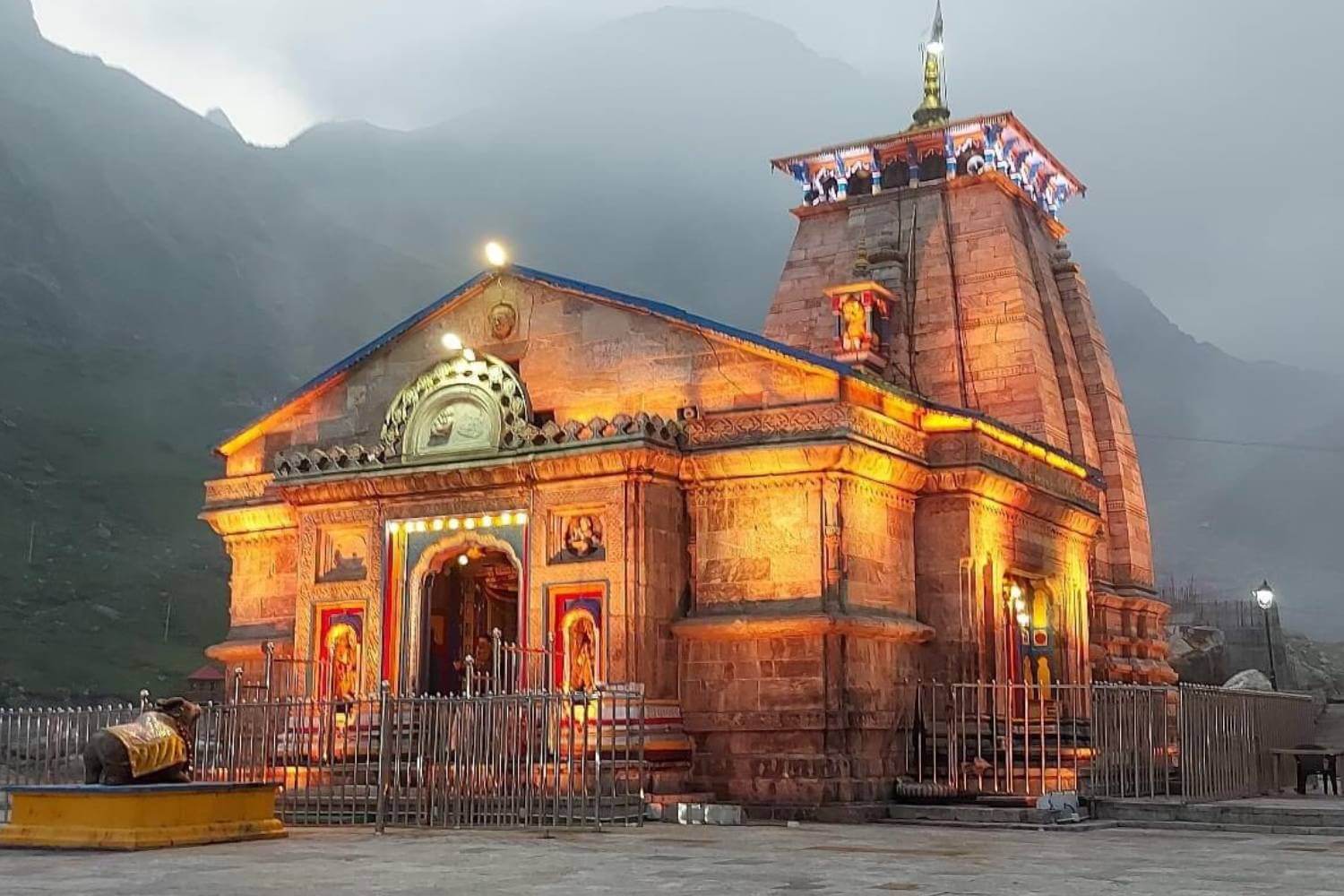
Sonprayag: The Last Stop Before Kedarnath, and Why It Deserves More Than a Glance
There’s a specific moment on the drive up from Rudraprayag when the road narrows, the air gets sharper, and the buses and private cars start bunching up at a checkpoint. That’s Sonprayag. Most people treat it as a place to switch vehicles and keep moving toward Kedarnath. Fair enough — that is technically its job. But if you’ve got even a few spare hours here, it’s worth slowing down for.
Here’s what’s actually useful to know before you show up: how the town works, what it’s for beyond being a pit stop, where to eat and sleep, and a few things nobody tells you until you’re standing there confused.
What Sonprayag Actually Is
Technically, it’s a small settlement in Rudraprayag district, Uttarakhand, sitting close to 1,800 metres above sea level at the point where the Mandakini and Basuki rivers come together. “Prayag” is the Sanskrit word for a river confluence, and there are several of these along the Alaknanda-Mandakini system — Devprayag, Rudraprayag, and this one, Sonprayag, being among the better known.
For pilgrims, the confluence itself carries weight. There’s a long-held belief that bathing where two sacred rivers meet clears away accumulated sin — you’ll see this idea repeated at every prayag along the route, not just here. Whether or not that resonates with you personally, it’s worth understanding why so many people stop to dip their hands or feet in the water before continuing.
But the practical role Sonprayag plays matters just as much as the spiritual one. This is where the road effectively ends for private and commercial vehicles. Beyond this point, everyone — regardless of how they arrived — switches to shared jeeps or continues on foot toward Gaurikund. That single fact is why Sonprayag exists as a functioning town at all: parking lots, guesthouses, dhabas, and a small army of shared-taxi drivers, all built around this one bottleneck.
Getting Yourself There
By Road
Most people arrive overland. Rough distances if you’re mapping out a route: about 420 km from Delhi, 215 km from Haridwar, 190 km from Rishikesh, and 80 km from Rudraprayag town itself. Shared taxis and buses run this corridor regularly, especially during yatra season (roughly May through October, gates permitting).
By Rail
There’s no station in Sonprayag or anywhere close to it — the nearest usable ones are Rishikesh and Haridwar, both around 210–230 km out. From either, you’re looking at a taxi or bus for the rest of the journey, and realistically that’s an 8 to 10 hour road stretch, so plan your arrival time accordingly rather than assuming you’ll roll in by lunch.
By Air
Jolly Grant Airport in Dehradun is the closest airport, somewhere around 225–230 km away. A few pilgrims also fly into Guptkashi, Phata, or Sersi for a helicopter connection that skips a chunk of the road trip entirely, though that route costs considerably more and depends on weather clearance, which isn’t always cooperative in the hills.
A Few Things Worth Knowing Before You Set Off
Season matters more than most people expect. April to June and September to November are the reliable windows — clear skies, manageable temperatures. July and August bring monsoon landslides that can shut the road with little warning. December through March, the whole route effectively closes under snow.
Cash, not cards. ATMs thin out fast once you’re past Rudraprayag, and by the time you reach Sonprayag, don’t count on one working reliably.
Bring real cold-weather gear, even in summer. Days can feel pleasant and then the temperature drops hard after sunset. A jacket, thermal layer, and decent socks aren’t optional here.
Keep your ID and any yatra registration documents on you at all times — checkpoints are common along this stretch, and Kedarnath pilgrims specifically need registration paperwork sorted before they go further.
This is a religious town for a lot of people passing through, so alcohol and non-vegetarian food are frowned upon near the temples and river, and modest clothing is expected inside any shrine.
Beyond the Checkpoint: What’s Actually Here
Sonprayag isn’t just a waiting room. A handful of places nearby are worth building time around, whether you’re heading to Kedarnath or not.
Gaurikund — the Real Starting Line
Roughly 5 km from Sonprayag, reachable by a short shared-jeep ride during the yatra season, Gaurikund is where the actual Kedarnath trek begins. It’s named for Goddess Parvati, who’s said to have meditated here to win over Lord Shiva, and there are natural hot springs many pilgrims use before starting the climb. If you’re doing Kedarnath, this is your true base camp, not Sonprayag.
The Trek to Kedarnath
From Gaurikund, it’s about 16 km of trail to the temple, climbing steadily along the Mandakini valley on a maintained stone path. Most reasonably fit people cover it in 5 to 7 hours, though pace varies a lot with altitude tolerance. Kedarnath itself sits close to 3,580 metres, so altitude sickness is a genuine risk — spending a night acclimatizing in Sonprayag before attempting the climb is a smart call, not an overcautious one. Trek timing is also controlled: climbs typically start as early as 4 AM and the route closes to new starters by early afternoon, since the area falls within a protected wildlife sanctuary zone.
Triyuginarayan Temple
About 12 km from Sonprayag, this one’s for anyone interested in the mythology side of things. Local tradition holds that this is where Shiva and Parvati were married, with Vishnu presiding, and that the ceremonial fire lit for the wedding has never gone out — locals call it the Akhand Dhuni. Worth timing your visit for early morning or dusk, when the fire’s glow against the temple looks its best.
Vasuki Tal
A high-altitude glacial lake around 8 km beyond Kedarnath Temple itself, sitting above 4,100 metres. This is a serious add-on trek, not a casual walk — expect 4 to 5 hours each way from Kedarnath, over steep and demanding terrain. Only worth attempting if you’ve got the stamina and the weather’s cooperating; the lake freezes over in winter and is best visited between May and October.
Chorabari Lake (Gandhi Sarovar)
Closer to Kedarnath, about 3 km out, this glacial lake carries some heavy history — a portion of Mahatma Gandhi’s ashes were immersed here in 1948, which is why it’s also called Gandhi Sarovar. The trek up is moderate but involves rocky ground and occasional snow patches, taking 2 to 3 hours. Views of Kedarnath peak from up there are genuinely worth the climb, weather permitting.
If You Have More Time: Guptkashi, Ukhimath, and Deoria Tal
Not everyone realizes Sonprayag sits within striking distance of a few other worthwhile stops. Guptkashi, about 30 km back down the road, has better year-round accommodation and is a solid acclimatization stop on the way up. Ukhimath, roughly 40 km off, becomes the winter home of the Kedarnath deity when the high temple closes for the season, so it holds its own religious weight regardless of when you visit. And Deoria Tal, a lake near Ukhimath reached via a moderate trek from Sari village, is a good quieter alternative if the Kedarnath crowds aren’t your scene.
Eating in Sonprayag
Being a devout stop on a major pilgrimage route, food here skews strictly vegetarian, and the menu leans on ingredients that travel and store well at altitude — lentils, hill grains, dairy, seasonal greens.
A few dishes worth trying if you haven’t had Garhwali food before:
Chainsoo — roasted black gram ground down and simmered into a thick, savory dish, tempered with garlic and cumin.
Kafuli — a spinach and fenugreek preparation cooked into a curd-and-rice base, closer to a hearty soup than a typical curry.
Gahat ki dal — made from horse gram, which locals swear by for its supposed medicinal value, including for kidney stones.
Jhangora ki kheer — a millet-based pudding, sweet and simple, usually the go-to dessert after a long day of travel.
Most of what’s on offer comes from small dhabas and family-run kitchens rather than anything resembling a restaurant chain, which honestly suits the setting. Don’t expect much beyond thalis, parathas, and basic snacks — but what’s there is generally fresh, since supply chains this far into the hills don’t allow much else.
Where to Sleep
Sonprayag’s lodging is functional rather than fancy — budget guesthouses, a handful of mid-range hotels, and a few tented camps aimed at trekkers heading up to Kedarnath. Given how much foot traffic passes through during peak yatra months, it’s worth booking ahead rather than assuming you’ll find a room on arrival, especially if you’re traveling in May, June, September, or October when the trail is busiest.
If Sonprayag itself is full or you’d rather have more comfort, Guptkashi down the road tends to have steadier year-round options and makes a reasonable base for acclimatizing before the final push toward Gaurikund.
The Bigger Picture
It’s easy to treat Sonprayag as nothing more than the place where your bus stops and your legs start moving. And functionally, that’s exactly what it is for most of the year. But there’s something to be said for a town whose entire identity is built around being a threshold — the last stretch of comfort before the mountains take over, the last place to buy supplies, sort your papers, and mentally prepare before the trek genuinely begins.
If you’re heading to Kedarnath, give yourself a little buffer here rather than rushing straight through. An extra half-day for Triyuginarayan, or just a slow evening by the river confluence, tends to be worth more than people expect going in.
Lakkidi View Point: Where Wayanad Actually Begins
There’s a stretch of road between Kozhikode and Wayanad that everyone who’s driven it seems to remember the same way — nine hairpin bends, climbing through forest so thick you lose the plains behind you without really noticing it happen. By the ninth bend, at a spot called Lakkidi, the land just opens up. Fog sitting in the valley, tea gardens running down the slopes, and that particular quiet you only get at altitude. Most people who’ve made this drive will tell you it’s the moment the trip actually starts.
Here’s what you actually need to know before you go — how to get there, when to time it, and what’s worth doing once you’re standing at the railing.
So what is Lakkidi, exactly?
Lakkidi sits at about 700 metres above sea level, right where the Thamarassery ghat road finishes its climb from Kozhikode up onto the Wayanad plateau. That climb — locally called the Thamarassery Churam — runs roughly 12 kilometres from Adivaram at the base, working through nine numbered hairpins cut into the forest.
The number that actually explains the place, though, is the rainfall. Lakkidi gets cited again and again as one of the wettest spots in Kerala — figures around 600 cm a year get thrown around, and some sources rank it among the wettest points anywhere on earth. You feel that the moment you step out of the car. Mist most mornings, moss climbing over every rock face, and a shade of green that looks almost too saturated, especially once you’ve spent an hour driving through the drier country below.
A little history — and one thing nobody can quite explain
This part of the forest isn’t scenic by accident of history alone. Pazhassi Raja, the Kottayam-region ruler who fought British colonial forces through the late 1700s and into the early 1800s, used this exact terrain to his advantage. His fighters — many of them local tribal warriors who knew the land in a way no outside army ever could — ran ambush after ambush out of this stretch of forest. It’s a real reason the British struggled here for years, and it’s a large part of why Pazhassi Raja is still spoken about locally with something closer to reverence than a textbook footnote.
There’s a stranger story too, tied to a spot near the viewpoint known as the Chain Tree — a large ficus with a heavy iron chain wrapped around its trunk. Ask three different locals why it’s there and you’ll likely get three different answers: an old punishment, a protective ritual, a warning of some kind. Nobody seems to agree on one version, and that’s honestly part of the appeal. It’s the sort of detail a guide will tell you if you ask, but you won’t find it in most write-ups.
Getting there
Most visitors come up from Kozhikode, and depending on exactly where you start in the city, that’s somewhere between 41 and 58 kilometres — call it an hour and a half. Kozhikode has the nearest railway station, and Calicut International Airport is about 44 km from the viewpoint, which makes the city the obvious entry point if you’re flying in.
If you’re already in Wayanad, Vythiri is only about 5 km away and has decent bus and taxi links, with Kalpetta a little further at around 15 km.
The drive itself is part of why people remember Lakkidi. Roadside stalls sell tender coconut and hot tea along the way, and monkeys turn up on the roadside more often than not, so if you stop for photos, keep an eye on anything edible in the car.
When to go
People genuinely disagree on the best season here, and honestly, that’s because there isn’t a bad one — just different versions of the same place.
October through February gives you the clearest skies, and if sunrise or sunset photography is the point of the trip, this is the safer bet. The monsoon months — June to September — turn Lakkidi into the version it’s actually known for: heavy mist rolling through, clouds moving fast enough to watch in real time, rain that lives up to the reputation. You might not get a clean view, but the atmosphere more than makes up for it.
Early mornings, roughly 6 to 9 AM, tend to have the best light no matter the season, and weekday crowds are noticeably thinner than weekends. There’s no entry fee and no fixed closing time, but most guides will tell you to be gone before dark — there’s no lighting up there, and the drop-offs aren’t something you want to navigate blind.
What you’ll actually do once you’re there
There’s no ticket counter here and nothing to check off a list. Most people just park, walk to the railing, and stand there for twenty or thirty minutes — which sounds like nothing until you’re actually doing it and tracing the ghat road switching back on itself far below, framed by tea estates and unbroken forest running to the horizon.
Photographers tend to linger for sunrise or sunset, though how much of the view actually shows up depends entirely on the clouds, which shift fast at this elevation — sometimes faster than you can get the camera up. A few informal trails wander off from around the viewpoint into the forest, generally short enough for an hour or two, but they’re not marked or maintained the way something like the Chembra Peak trek is, so treat them as a casual walk rather than a hike, and don’t go far without someone who knows the terrain if you’re not from the area.
If you’re into birds, the forest here holds a decent range — hornbills, woodpeckers, various sunbirds — and early morning, when things are quiet, is by far the best window to catch them.
Rounding out the day
Because Lakkidi sits right at the edge where the plains give way to the hills, it works well as either the first or last stop on a longer Wayanad loop. Pookode Lake is close by, about 3 to 4 km away — a freshwater lake popular for boating, with a shape often compared to the outline of the Indian subcontinent. Chembra Peak is further out, around 30 km, and one of Wayanad’s highest points; it’s home to the well-known heart-shaped lake partway up the trek, though unlike the walks around Lakkidi, this one needs a permit and a guide.
Banasura Sagar Dam is about 25 km away and one of the largest earthen dams in India, with its own boating and reservoir views. Edakkal Caves, roughly 35 km out, hold rock engravings researchers date back thousands of years — worth the detour if prehistoric archaeology interests you at all. And if casual birdwatching isn’t enough, Tholpetty Wildlife Sanctuary further north is a proper wildlife-spotting destination in its own right.
None of these are close enough to stumble into by accident, so it’s worth mapping a rough loop rather than trying to squeeze all of it into one afternoon.
A few things worth knowing before you go
Wear shoes with real grip — the ground near the edges gets slick fast, especially right after rain.
Watch your food around the monkeys. They’re used to people, and they’re not shy about it.
There’s no entry fee and no gate hours, which also means there’s no formal safety barrier everywhere it might matter — use common sense near the drop-offs.
And if the mist is too heavy for that sunrise shot you had planned, don’t force it. Sometimes the fog curling through the valley ends up being the better photo anyway.
Lakkidi was never meant to be a full-day stop, and that’s really the point of it. It’s a pause built into the geography — the exact spot where the climb ends and Wayanad’s hills open up in front of you. Give it half an hour or give it two hours. Either way, it tends to set the mood for whatever’s next.
Kalapathar Beach, Havelock — What I Wish Someone Had Told Me First
I kept seeing the same photo pop up whenever Havelock Island came up online. Black rocks, dead white sand, water doing this weird gradient thing from pale to almost navy near the horizon. Turns out that’s Kalapathar. Everyone talks about Radhanagar first, the big famous one, but ask people who’ve actually done both and a lot of them will quietly tell you Kalapathar’s the one that stuck with them.
So here’s what actually matters if you’re planning to go. Not the poetic stuff, just — how you get there, when to show up, what it’ll cost you, and a handful of things that would’ve saved me some confusion.
Where It Even Is
Eastern side of Havelock. The island got renamed Swaraj Dweep at some point officially, though basically nobody uses that name in conversation, so don’t be thrown off if a local calls it Havelock and a sign says Swaraj Dweep. Kalapathar means “black rock” — not a cute name someone invented for tourists, it’s just describing what’s there. Big volcanic boulders sitting along the shoreline. Apparently the village nearby borrows its name from the same rocks, or so I was told.
Distance from Port Blair is around 61-64 km, and within Havelock itself the beach is out past the main market, toward the far end of the island. Not close, not a walk.
Actually Getting There
You can’t fly straight to Havelock — no airport — so step one is always Port Blair, then a ferry. That crossing takes an hour and a half to two hours depending on which service you’re on. If you’re going in December or January, which is peak season, book that ferry ahead. A few days at least. Seats go.
Then, from the jetty to the beach itself — and this part confused me for a while because every website quotes a different number. Some say 6.5 km, some say 12. I think it depends where exactly they’re measuring from. Realistically you’re looking at maybe 7-8 km and somewhere between 20 and 40 minutes depending on traffic and your ride.
Options:
Auto-rickshaw or taxi is the simple choice. Fix the price before getting in — don’t assume a meter exists. And ask about coming back too, because autos waiting around at Kalapathar specifically to pick people up aren’t guaranteed, especially if you’re leaving right after sunrise when it’s still early.
A rented scooter runs about ₹400-500 for the day and honestly might be the better call anyway — the drive itself passes through forest patches and little roadside cafés, so it’s not just transport, it’s kind of part of the trip.
Local buses exist too, cheapest by a good margin, ₹28-50 ish. Downside is they don’t run that often, so this only really works if your schedule has some slack in it.
Timing — This One Actually Matters A Lot
October through May, basically. Calmer seas, clearer skies, less unpredictability. June to September is monsoon, and that’s not a “light drizzle” situation — rough water, heavy rain, a lot of the water-based activities on the island just close down for the stretch. Worth planning around entirely if you can.
Within a day, sunrise is the move. Not because someone said so for aesthetic reasons — Kalapathar is legitimately one of the better sunrise spots on Havelock, and getting there by 5 to 5:30 AM means you catch light on the water and the black rocks that just doesn’t happen later. Also, at that hour, you’ll likely be one of very few people there. Late afternoon works too, quieter than midday, decent light for photos. Midday itself — skip it if you have any say in the matter. There’s almost no shade anywhere along that stretch and the heat gets old fast.
Time of Year
What to Expect
Go or Skip
Oct – Feb
Dry, breezy, comfortable
Best window, peak season
Mar – May
Warmer, sunny, sea still manageable
Fine, bring sun protection
Jun – Sep
Monsoon, rough seas
Skip if you can
Even in the decent months, mornings run noticeably cooler than afternoons on this stretch of coast. One more reason the early start makes sense.
Cost to Get In: Nothing
There’s no entry fee. It’s open, free, accessible whenever there’s daylight. The only money changing hands is for toilets or changing rooms nearby, and that’s small — ₹10 to 30 a use. Don’t expect anything fancy there, they’re basic setups, functional and nothing more.
Why People Actually Rave About This Place
The water thing is real, not exaggerated for photos. Right at the shore it’s pale, almost clear over the white sand, then it shifts turquoise a bit further out, then goes properly dark blue near the horizon. Three distinct bands, and it looks like that in person, not just through a filter.
Then there’s the rocks — big black volcanic boulders scattered along parts of the beach, which is where the whole name comes from. They break up the flat white-sand-blue-water scene in a way that photographs really well, but also just looks striking standing there.
It’s quieter than the other big beaches on Havelock. Radhanagar’s about 13 km off and gets a lot more foot traffic, same with Elephant Beach. Kalapathar stays comparatively empty, which if you’re after something a bit more personal and less crowded, tips things in its favor.
Small stuff along the sand too — hermit crabs, bits of coral washed up here and there. Worth noticing, not worth disturbing.
Stuff Worth Knowing Before You Go
Swimming isn’t really the move here. Seabed’s uneven near the rocks, currents aren’t predictable. Wading in the shallow bits is fine, low risk, but if actual swimming is the goal, Elephant Beach or Radhanagar are built for that better.
Shade is basically nonexistent, so hat, sunglasses, sunscreen — not optional here, actually needed.
Footing near the water can be a little rough — small broken shells, coral fragments in spots. If your feet are sensitive to that kind of thing, wear something.
Food-wise you’re covered without needing to pack much. A few small stalls sell tea, coffee, coconut water, Maggi, basic snacks. Bring water and whatever specific snack you personally want, that’s about it.
Sometimes there are local photographers around at sunrise offering to shoot photos on the spot. If you don’t want to lug your own camera gear, worth asking.
What To Actually Bring
Hat, sunglasses, sunscreen (reef-safe if you can find it) A light towel or mat to sit on Water, some snacks Shoes you don’t mind getting sandy or wet A change of clothes if wading’s part of the plan Small cash — for autos, the bus, stall purchases, none of that runs on cards
What It’ll Roughly Cost You
Expense
Cost (INR)
Ferry, Port Blair to Havelock, one-way
₹700 – 1,500
Auto or taxi, jetty to beach, one-way
₹300 – 700
Scooter rental, full day
₹400 – 500
Local bus, one-way
₹28 – 50
Toilet / changing room use
₹10 – 30 each
Snacks and drinks at the stalls
₹50 – 150
Someone sticking to buses and skipping extras could realistically do this under ₹500 total. Taxis both ways plus a scooter rental pushes it closer to ₹800-1,200 for the day.
A Loose Half-Day Plan
Leave around 5 AM, head straight for the beach. You’ll catch the sunrise between roughly 5:30 and 6:30, and that’s your window to walk the rocks and take photos while the light’s doing its thing. After that, grab chai at one of the stalls, maybe half an hour there. By 7 or 7:30 you’re heading back toward the market or wherever you’re staying for actual breakfast. The rest of the day is open — pair it with Radhanagar for sunset, or Elephant Beach if snorkelling’s on your list.
Where People Usually Stay
Most travelers base themselves closer to Havelock’s main hubs — Govind Nagar, Beach No. 3, Vijay Nagar — rather than right by Kalapathar. Makes sense, there’s more choice for guesthouses and food there, plus easier jetty access. Kalapathar’s just a short ride from any of those spots anyway, so staying elsewhere doesn’t really cost you much.
Questions People Keep Asking
How far is it from the jetty
About 7-8 km, 20 to 40 minutes depending how you’re traveling.
Is there an entry fee
No, free and open during daylight, only the facilities cost anything.
Can you swim there
Technically you can wade, but the seabed’s uneven and it’s not really set up for real swimming. Elephant Beach or Radhanagar handle that better.
Best time to show up
Early, 5 to 5:30 AM for sunrise. Quietest, coolest, generally the best version of the beach.
Good for families
Yes, it’s calmer than the bigger beaches, has basic facilities, just keep an eye on kids near the rocks and shallow water.
How’s it different from Radhanagar
Radhanagar’s the bigger, more famous one, known for its long sand stretch and sunsets. Kalapathar’s smaller, quieter, and it’s really the sunrise and the black rocks and that layered water that define it.
Do you need to book ahead
Not for the beach. The one thing worth booking early is your ferry between Port Blair and Havelock, especially December-January.
Nearby If You Want to Make a Day of It
Radhanagar Beach, about 13 km off, the island’s headline sunset spot with a long sandy stretch. Elephant Beach, reachable by boat or a scenic trek, good for snorkelling and water sports. Kalapathar Lighthouse, right near the beach, worth climbing for the view if you’ve got the time. Vijay Nagar market, decent for a meal or last-minute shopping before heading back to the jetty.
How Long People Actually Stay
Most people spend an hour, maybe two — enough for sunrise, a walk along the rocks, some photos, and chai before moving on to whatever else is on the plan for the day. Works well as the opener to a longer day that includes Radhanagar or Elephant Beach later.
Last Bit
Kalapathar’s not trying to be the flashiest stop on Havelock. That’s kind of the whole point of it. If a quiet sunrise and a stretch of coast that doesn’t feel picked over sounds like your thing, this is worth building a morning around.
10 Hidden Places to Visit in Himachal Pradesh in 2026
Himachal Pradesh is often associated with popular destinations like Manali, Shimla, and Dharamshala. While these places attract millions of visitors every year, the state is also home to several lesser-known gems that offer peace, natural beauty, and authentic local experiences. If you are looking to explore beyond the crowded tourist spots, these hidden destinations deserve a place on your travel list in 2026.
1. Jibhi
Nestled in the Banjar Valley, Jibhi is a small village surrounded by pine forests and snow-capped mountains. Unlike the busy streets of Manali, Jibhi offers a peaceful environment and charming wooden cottages. Visitors can explore the Jibhi Waterfall, enjoy riverside walks, or simply relax amidst nature.
Best Time to Visit
March to June and September to November.
2. Tirthan Valley
Tirthan Valley remains one of Himachal Pradesh’s best-kept secrets. Located near the Great Himalayan National Park, this destination is perfect for trekking, fishing, and nature photography. The crystal-clear river and green surroundings make it ideal for travelers seeking tranquility.
Things to Do
Trout fishing
Nature walks
Camping
Trekking to Serolsar Lake
3. Chitkul
Known as the last inhabited village near the Indo-Tibet border, Chitkul offers breathtaking landscapes and a glimpse into traditional mountain life. Wooden houses, apple orchards, and snow-covered peaks make this village unforgettable.
Highlights
Baspa River views
Traditional architecture
Scenic mountain roads
4. Kalpa
Situated in the Kinnaur district, Kalpa is famous for its panoramic views of the Kinner Kailash range. The village is known for apple orchards and beautiful monasteries. Travelers who appreciate peaceful surroundings will find Kalpa an excellent alternative to crowded hill stations.
Must-Visit Attractions
Suicide Point
Narayan-Nagini Temple
Roghi Village
5. Barot Valley
Barot Valley combines adventure with serenity. Located around 65 kilometers from Mandi, this destination is popular among campers and trekkers. Dense forests and rivers create perfect opportunities for outdoor activities.
Activities
Camping
River-side picnics
Trekking
Wildlife photography
6. Shoja
Shoja is a quiet mountain village that provides stunning views of the Himalayas. The place remains relatively untouched by commercial tourism and is ideal for travelers who enjoy peaceful escapes.
Nearby Attractions
Jalori Pass
Serolsar Lake
Raghupur Fort
7. Sangla Valley
Sangla Valley offers a combination of natural beauty and cultural richness. The valley is surrounded by mountains and features traditional villages that showcase the unique heritage of the Kinnaur region.
Why Visit Sangla?
Beautiful landscapes
Peaceful atmosphere
Local culture and traditions
8. Pabbar Valley
Pabbar Valley is one of the most underrated destinations in Himachal Pradesh. The valley is known for its untouched beauty, rivers, forests, and picturesque villages. It is an excellent destination for camping and trekking enthusiasts.
9. Rakcham
Located between Sangla and Chitkul, Rakcham is a small village with mesmerizing views. Green meadows, wooden homes, and peaceful surroundings make it an ideal place for nature lovers.
Best Experience
Enjoy sunrise views while walking along the Baspa River.
10. Thanedar
Thanedar is famous for apple orchards and beautiful landscapes. Travelers looking for a relaxing holiday away from crowded tourist destinations should consider this charming village.
Attractions
Hatu Peak
Apple orchards
Hatu Temple
Travel Tips for 2026
Carry warm clothes even during summer months.
Book accommodations in advance during peak season.
Respect local culture and traditions.
Avoid littering and support eco-friendly tourism.
Keep cash handy, as some remote areas may have limited digital payment facilities.
Final Thoughts
Himachal Pradesh has much more to offer than its famous tourist destinations. Places like Jibhi, Tirthan Valley, Chitkul, and Kalpa provide unforgettable experiences without the crowds. Whether you enjoy trekking, photography, or simply spending time in nature, these hidden gems can make your 2026 trip truly memorable. By exploring lesser-known destinations, travelers not only discover unique experiences but also help promote sustainable tourism in the region.
How to Experience Peru As a Slow Traveler
Peru is often associated with fast-moving itineraries packed with bucket-list attractions, overnight buses, and rushed visits to famous landmarks. While there’s nothing wrong with seeing as much as possible, slow travel offers a more meaningful way to experience this dynamic country.
Instead of racing from one destination to another, slow travel encourages deeper cultural connections, flexible schedules, and moments of appreciation that many tourists miss. Here’s how to experience Peru like a slow traveler and create memories that feel authentic rather than hurried.
Spend More Time in Fewer Places
One of the biggest mistakes travelers make when visiting this beautiful country is trying to fit everything into a short itinerary. Lima, Cusco, Arequipa, Lake Titicaca, and Machu Picchu all deserve time, but visiting too many destinations quickly can become exhausting.
Slow travel begins by choosing fewer stops and staying longer in each location. For instance, instead of staying only one night in Cusco, consider staying for several days. This allows your body to adjust to the altitude while giving you time to explore local cafes, markets, and neighborhoods beyond the main tourist areas.
The same approach works in smaller towns throughout Peru. Staying longer creates opportunities to notice daily life, interact with locals, and discover hidden spots that guidebooks rarely mention.
Embrace Local Transportation
Traveling slowly also means appreciating the journey itself. From coastal deserts to towering mountains and lush valleys, Peru’s landscapes are incredibly diverse. Rather than constantly flying between cities, consider taking trains or buses for at least part of your journey.
The train ride toward Machu Picchu is one of the most scenic travel experiences in South America. Watching the Andes unfold outside your window creates a stronger connection to the landscape than simply arriving by plane.
Many travelers rush through the experience, but slow travelers often spend time exploring the surrounding town after arriving at Aguas Calientes train station before continuing onward to the famous ruins. Pausing to enjoy these transitional moments can make the trip feel richer and less transactional.
Connect With Local Culture
Peru’s culture is layered with Indigenous traditions, colonial history, art, music, and regional cuisine. Slow travel gives you time to engage with these experiences more naturally.
Instead of booking every meal at tourist restaurants, try eating where locals gather. Visit neighborhood markets and ask vendors about regional ingredients. Take part in a cooking class or learn about traditional weaving in the Sacred Valley. Even simple conversations with local residents can add depth to your understanding of the country.
Language also becomes part of the experience. Learning a few basic Spanish phrases can make interactions warmer and more rewarding. Peruvians are often welcoming toward travelers who make an effort to communicate respectfully.
Leave Space for Spontaneity
Slow travel isn’t only about moving slowly physically; it’s also about traveling with flexibility. Some of the best travel memories come from unplanned experiences.
You may discover a local festival in a small town, stumble upon a quiet cafe with mountain views, or spend an afternoon talking with fellow travelers. When every hour of an itinerary is tightly scheduled, there’s little room for these meaningful moments.
Allowing extra time between destinations reduces stress and helps you experience Peru more naturally. Instead of focusing only on checking landmarks off a list, you begin to appreciate the rhythm of daily life around you.
Endnote
Experiencing Peru like a slow traveler transforms the journey into something more personal and memorable. Rather than rushing through attractions, you begin to appreciate the details that make this beautiful country unique. Peru is a country best experienced with curiosity, patience, and enough time to truly absorb its beauty.
150 Places to Visit in India | Updated 2026
Places To Visit In India
India is a nation of energetic varieties, rich practices, and extraordinary scenes. With such countless mind boggling spots to visit, it’s difficult to tell where to begin. From the stunning Himalayas in the north to the unblemished sea shores of the south, India is an explorer’s heaven. In this blog, we’ll investigate the main 150 places to visit in India, each with its exceptional appeal and character.
We should start our excursion in the north, where the grand Himalayas rule the horizon. Ladakh, with its tough mountains, quiet lakes, and old cloisters, is a must-visit objective for experience searchers. Moving east, we go over the beautiful slope stations of Shimla and Darjeeling, which offer stunning perspectives on the snow-covered pinnacles and lavish green valleys.
Heading towards the west, we arrive at the Brilliant Triangle – Delhi, Agra, and Jaipur. Delhi, the capital of India, is a city of differentiations, with current shopping centers and old landmarks existing together one next to the other. Agra is home to the famous Taj Mahal, an UNESCO World Legacy Site and one of the Seven Marvels of the World. Jaipur, known as the Pink City, is popular for its wonderful castles, posts, and lively business sectors.
Moving south, we run over the lovely province of Kerala, known for its tranquil backwaters, lavish green timberlands, and wonderful sea shores. Goa, with its white sandy sea shores and dynamic nightlife, is a well known objective among sightseers from around the world. The Western Ghats, an UNESCO World Legacy Site, is another must-visit objective, known for its unimaginable biodiversity and shocking scenes.
In the east, we have the delightful territory of West Bengal, known for its rich culture and history. Kolkata, the capital of West Bengal, is a city of differentiations, with lovely frontier structures and clamoring roads. The Sundarbans, an UNESCO World Legacy Site, is home to the well known Bengal tiger and is a famous objective for natural life fans.
Moving further east, we run over the territories of Assam and Meghalaya, known for their flawless normal excellence and extraordinary societies. Kaziranga Public Park, an UNESCO World Legacy Site, is home to the one-horned rhinoceros and is a must-visit objective for natural life sweethearts. Meghalaya, with its rich green timberlands, shocking cascades, and living root spans, is a nature sweetheart’s heaven. Lets investigate on the main 150 spots to visit in India.
Best Tourist Places to visit in India (North)
1. Kashmir
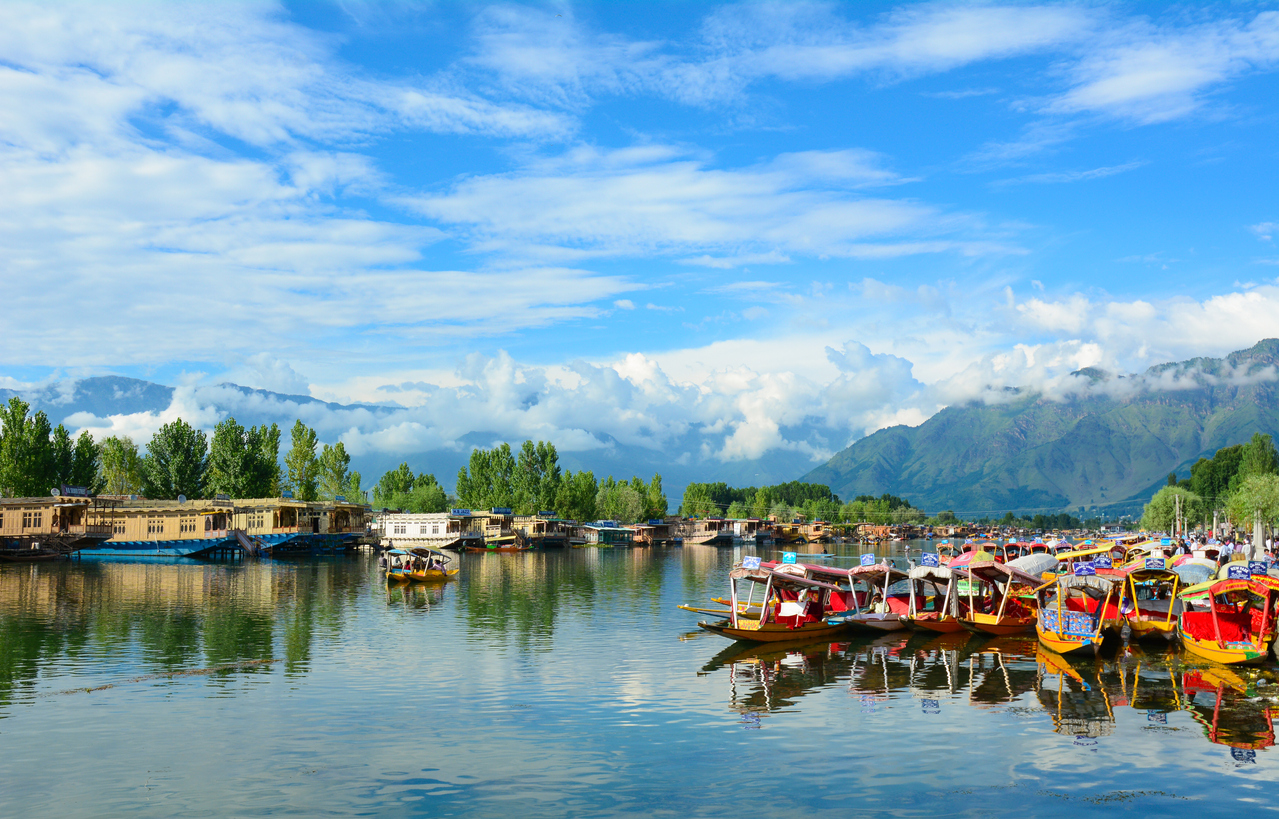
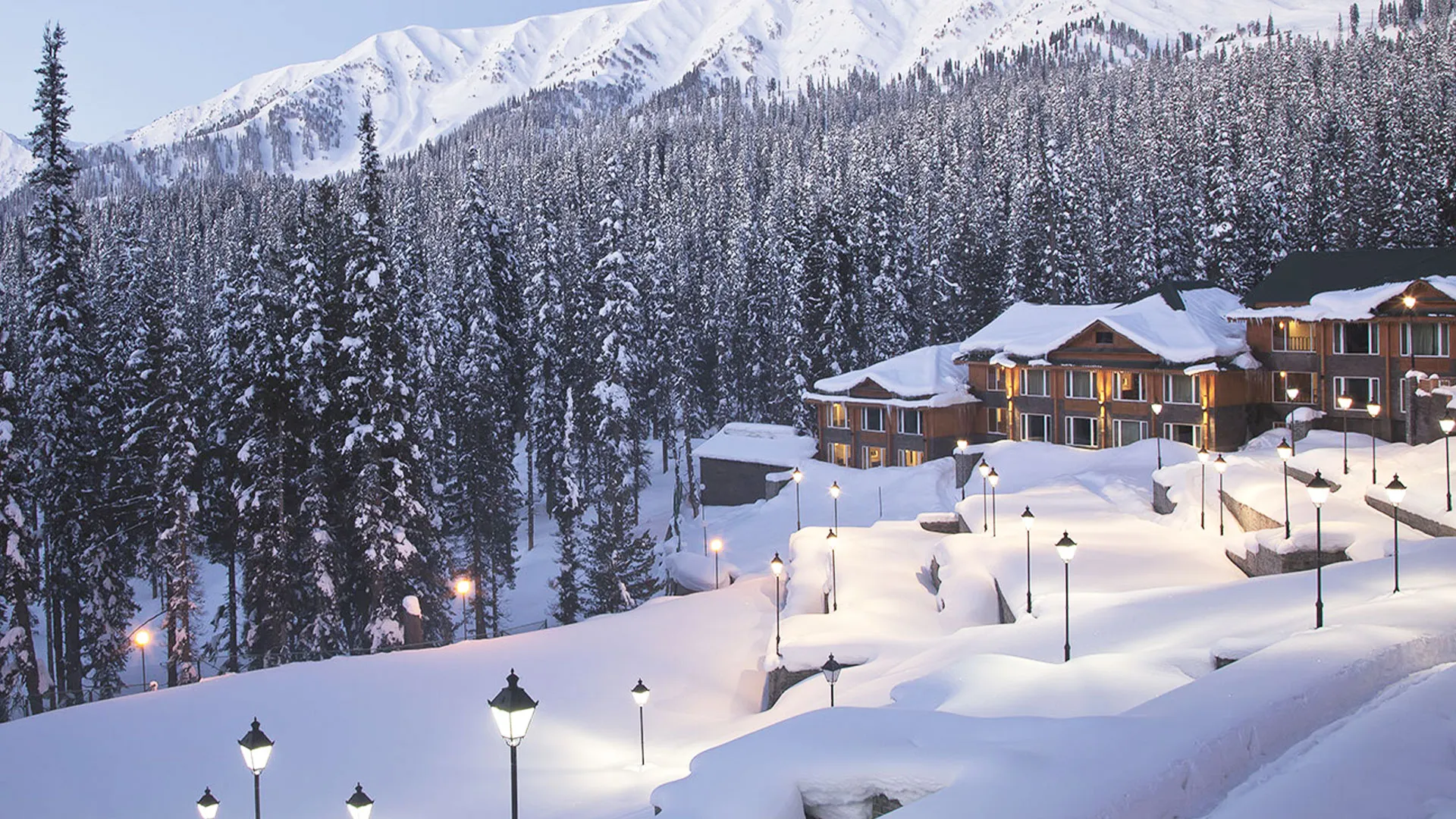
Kashmir, often referred to as “Heaven on Earth,” is a beautiful destination that has been attracting tourists from all over the world for many years. It is located in the northernmost region of India and shares its borders with Pakistan and China. Kashmir is renowned for its stunning natural beauty, scenic landscapes, and snow-capped mountains that make it a popular destination for adventure enthusiasts and nature lovers alike.
The best time to visit Kashmir is during the summer months, between May and September, when the weather is pleasant and the valleys are lush green. During this time, you can enjoy a variety of outdoor activities, such as hiking, trekking, paragliding, and river rafting. There are also several picturesque lakes, such as Dal Lake and Wular Lake, which are ideal for boating and fishing.
Apart from its natural beauty, Kashmir is also known for its rich cultural heritage and historical significance. The state has been ruled by various dynasties over the centuries, including the Mughals, the Afghans, and the Dogras, all of which have left their mark on the region. There are several historical sites and landmarks in Kashmir that are worth exploring, such as the Mughal Gardens, Pari Mahal, and the Shankaracharya Temple.
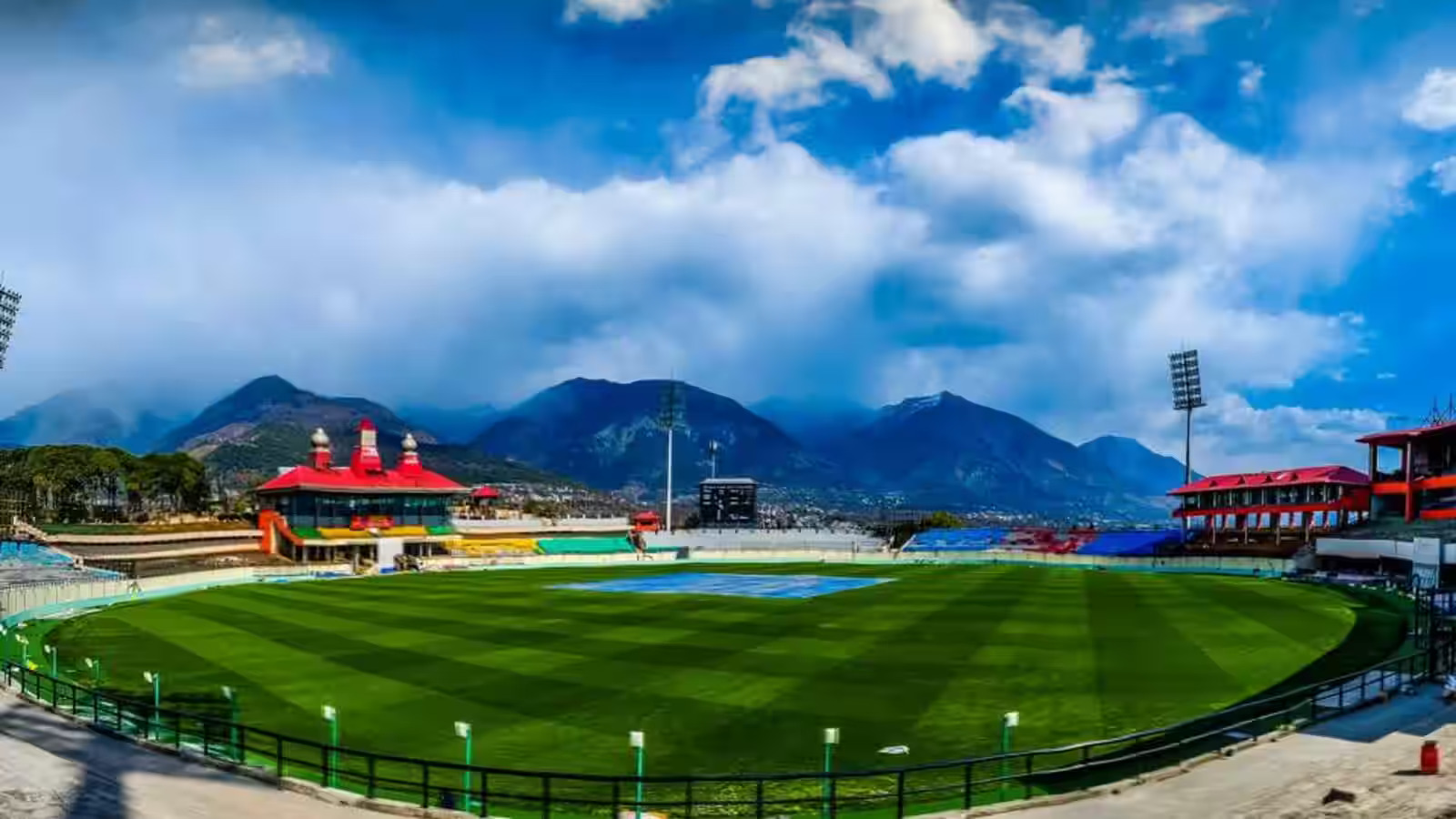
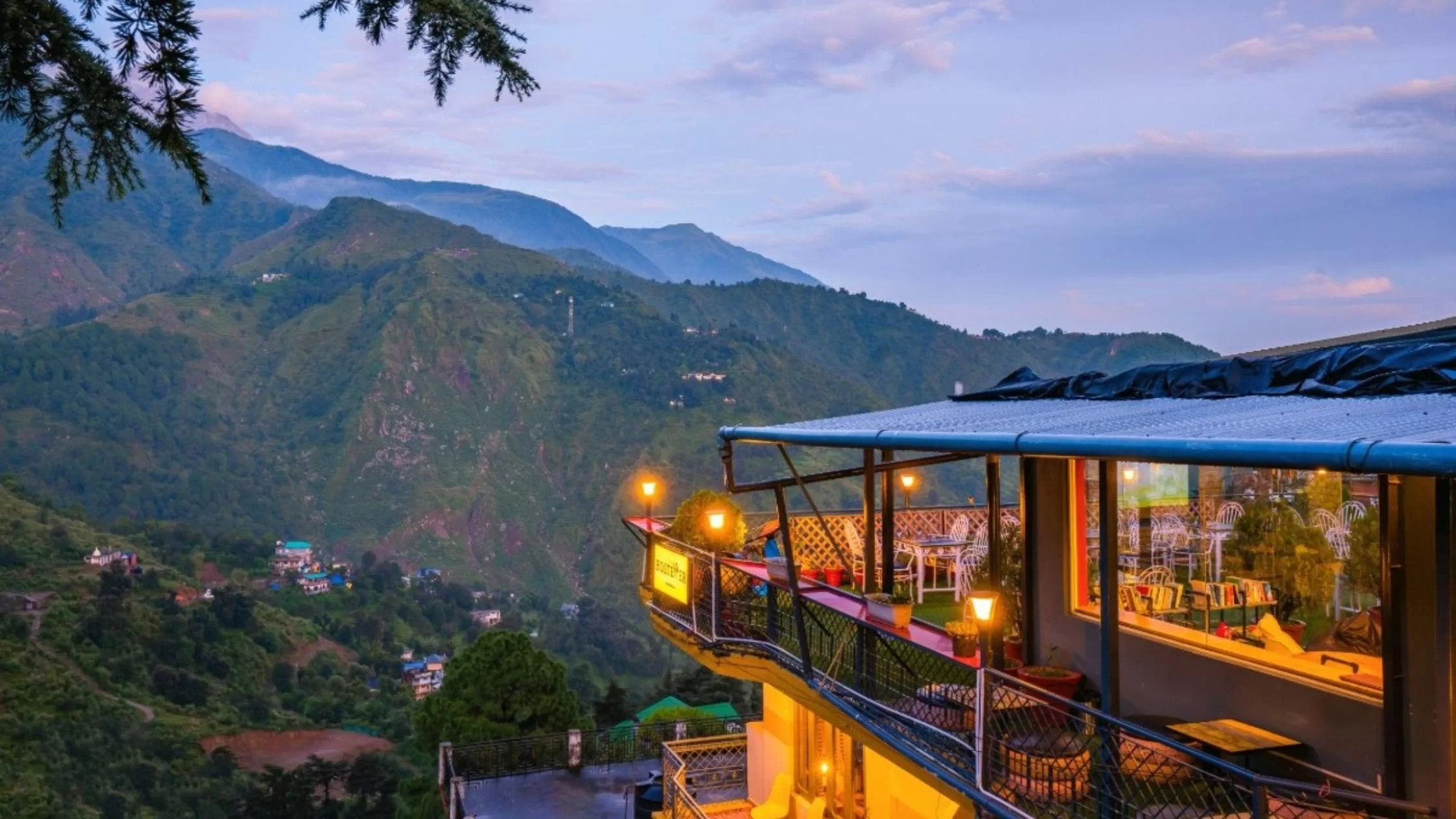
Nestled in the scenic Kangra valley of Himachal Pradesh, Dharamshala is a beautiful destination that has gained immense popularity among tourists over the years. It is home to the Dalai Lama and the Tibetan government in exile, making it a hub for Tibetan culture and heritage.
One of the main attractions in Dharamshala is McLeod Ganj, which is situated at an altitude of 2,082 meters above sea level. This charming hill station offers a breathtaking view of the Dhauladhar range and is surrounded by lush green forests. You can take a leisurely stroll through the streets, visit the local markets, and indulge in some mouth-watering Tibetan cuisine.
Apart from McLeod Ganj, Dharamshala has several other attractions that are worth exploring. The Bhagsunath temple and waterfall, Namgyal Monastery, and the Kangra Fort are just a few of the many historical and cultural landmarks that the region has to offer.
If you’re an adventure enthusiast, you’ll be pleased to know that Dharamshala has plenty of opportunities for trekking, rock climbing, and paragliding. The Triund trek, in particular, is a popular option for those seeking a thrilling adventure and stunning views of the valley.
3. Shimla
Shimla, also known as the “Queen of Hills,” is a beautiful destination situated in the state of Himachal Pradesh in India. It is a popular tourist destination that offers breathtaking views of the Himalayas and lush green valleys. The charming town is also known for its colonial architecture, cultural heritage, and adventure activities.
One of the main attractions in Shimla is the Mall Road, a bustling street filled with shops, restaurants, and cafes. You can take a leisurely stroll down the road, indulge in some shopping, and try some delicious local cuisine. The Ridge, situated adjacent to the Mall Road, is another popular spot known for its panoramic views of the mountains.
Shimla also has several historical landmarks that are worth exploring. The Viceregal Lodge, Christ Church, and the Shimla State Museum are just a few of the many cultural and historical sites that the region has to offer.
For adventure enthusiasts, Shimla offers several opportunities for trekking, camping, and skiing. The Kufri ski resort, situated about 16 kilometers from Shimla, is a popular destination for skiing and snowboarding during the winter months.
4. Kullu – Manali
Kullu Manali is a beautiful destination nestled in the lap of the Himalayas in Himachal Pradesh, India. This serene hill station is known for its picturesque landscapes, snow-capped mountains, lush greenery, and serene valleys that make it a paradise for nature lovers.
There are many things to do and see in Kullu Manali. The region is famous for its adventure activities such as trekking, paragliding, river rafting, and skiing. You can also explore the ancient temples and visit the local markets to get a taste of the local culture.
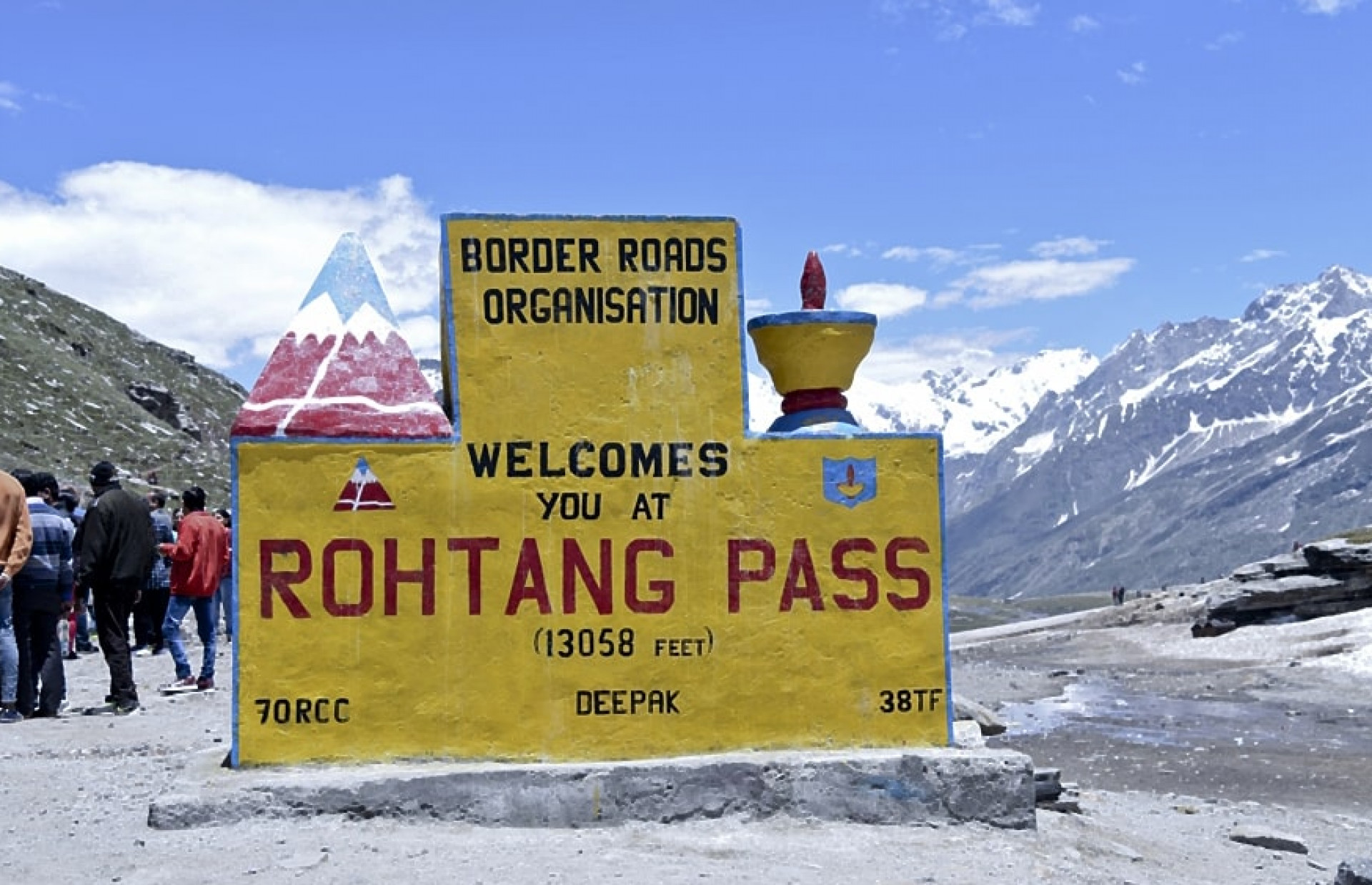
One of the most popular tourist attractions in Kullu Manali is the Rohtang Pass, which is a high mountain pass that connects Kullu to the Lahaul and Spiti valleys. The pass is known for its scenic beauty and is a must-visit destination for anyone who loves adventure and natural beauty.
The best time to visit Kullu Manali is during the summer months when the weather is pleasant and the natural beauty is at its peak. However, if you love snow and winter sports, then the winter months are perfect for you.
Overall, Kullu Manali is a beautiful destination that offers something for everyone. Whether you’re looking for adventure, natural beauty, or just a peaceful retreat from the chaos of the city, Kullu Manali is definitely worth a visit.
5. Nainital
Nainital is a beautiful hill station located in the Indian state of Uttarakhand. It is known for its serene natural beauty, lush greenery, and serene lakes that make it a perfect destination for nature lovers.
The town is named after the beautiful Naini Lake that is situated at the heart of the city. The lake is surrounded by mountains and is a popular spot for boating and picnicking. The Naina Devi Temple, situated on the northern shore of the lake, is a revered shrine and a must-visit destination for those who want to experience the local culture.
Apart from the lake, Nainital is also known for its beautiful viewpoints such as the Tiffin Top and the Snow View Point. These places offer breathtaking views of the surrounding mountains and valleys and are perfect for nature lovers and photographers.
Nainital is also a hub for adventure activities such as trekking, camping, and rock climbing. The town offers a variety of treks ranging from easy to difficult, and you can choose one according to your fitness level and interests.
Overall, Nainital is a beautiful destination that offers a perfect blend of natural beauty, adventure, and culture. Whether you’re looking for a peaceful retreat or an adventure-filled vacation, Nainital has something for everyone.
Delhi, the capital of India, is a vibrant and bustling city that offers a unique blend of modernity and tradition. From the beautiful historical monuments to the vibrant street markets, there’s something for everyone in Delhi.
The city is home to some of the most iconic landmarks of India, such as the Red Fort, Qutub Minar, and the India Gate. These beautiful monuments are not just a sight to behold but also a window into India’s rich history and cultural heritage.
Delhi is also known for its mouth-watering street food, which is a must-try for anyone visiting the city. From the delicious parathas of Chandni Chowk to the spicy chaat of Lajpat Nagar, Delhi’s street food scene is sure to leave you wanting more.
Apart from its historical monuments and street food, Delhi is also a great place to shop. The city is home to many street markets and bazaars such as Sarojini Nagar and Janpath, where you can find everything from traditional handicrafts to trendy fashion accessories.
Delhi is a city that’s full of surprises and offers a unique experience to all who visit. Whether you’re interested in history, food, shopping, or just want to soak in the vibrant culture of India, Delhi is a must-visit destination.
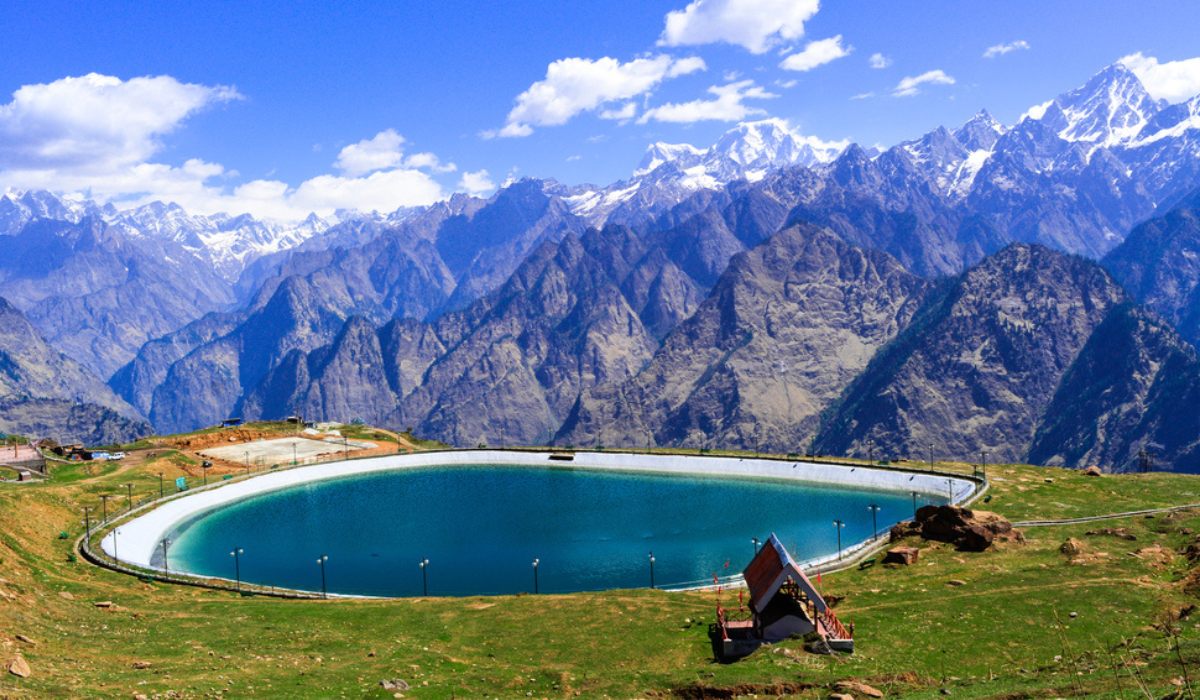
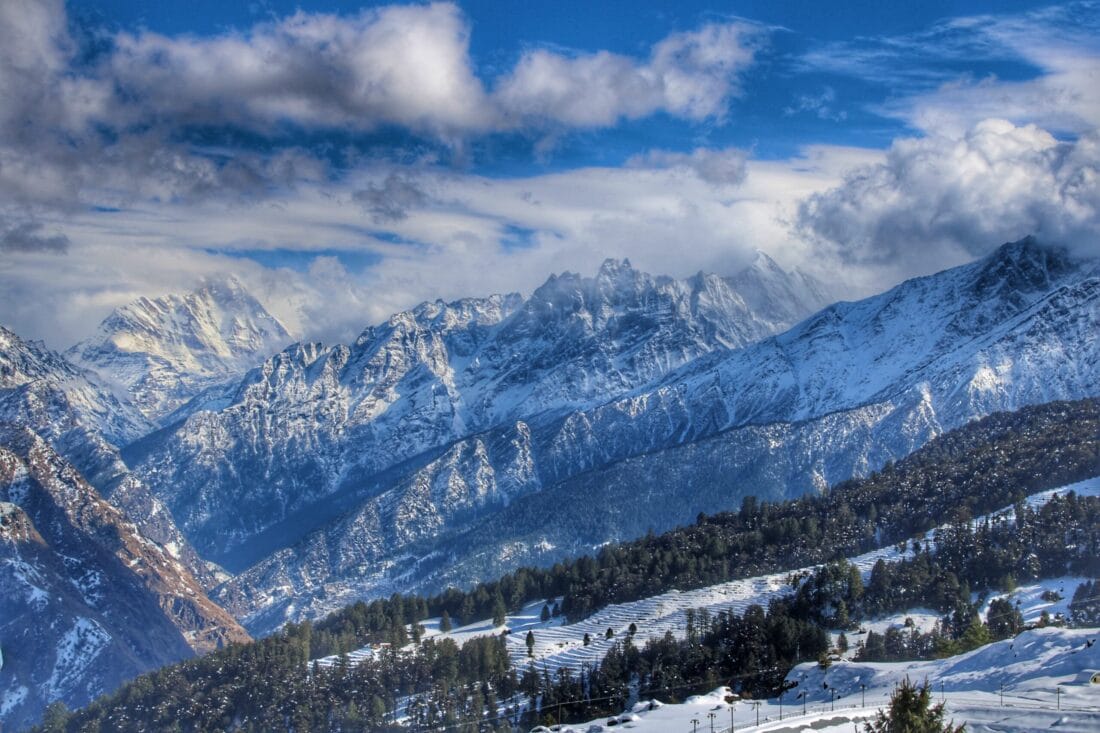
Auli is a beautiful hill station located in the Indian state of Uttarakhand. It is known for its picturesque landscapes, snow-covered mountains, and adventure sports that make it a popular destination among tourists.
The town is situated at an altitude of 2,800 meters and offers stunning views of the Himalayas. It is particularly popular among adventure enthusiasts as it offers a variety of adventure sports such as skiing, trekking, and camping. The Auli Ski Resort is one of the most popular ski resorts in India and is a must-visit destination for anyone who loves winter sports.
Apart from adventure sports, Auli is also known for its beautiful natural scenery. The town is surrounded by oak and coniferous forests, which make for great trekking and camping destinations. You can also take a cable car ride to the top of the hill to enjoy panoramic views of the surrounding mountains and valleys.
The best time to visit Auli is during the winter months when the town is covered in snow, and you can enjoy skiing and other winter sports. However, the town is also beautiful during the summer months when the weather is pleasant and the natural beauty is at its peak.
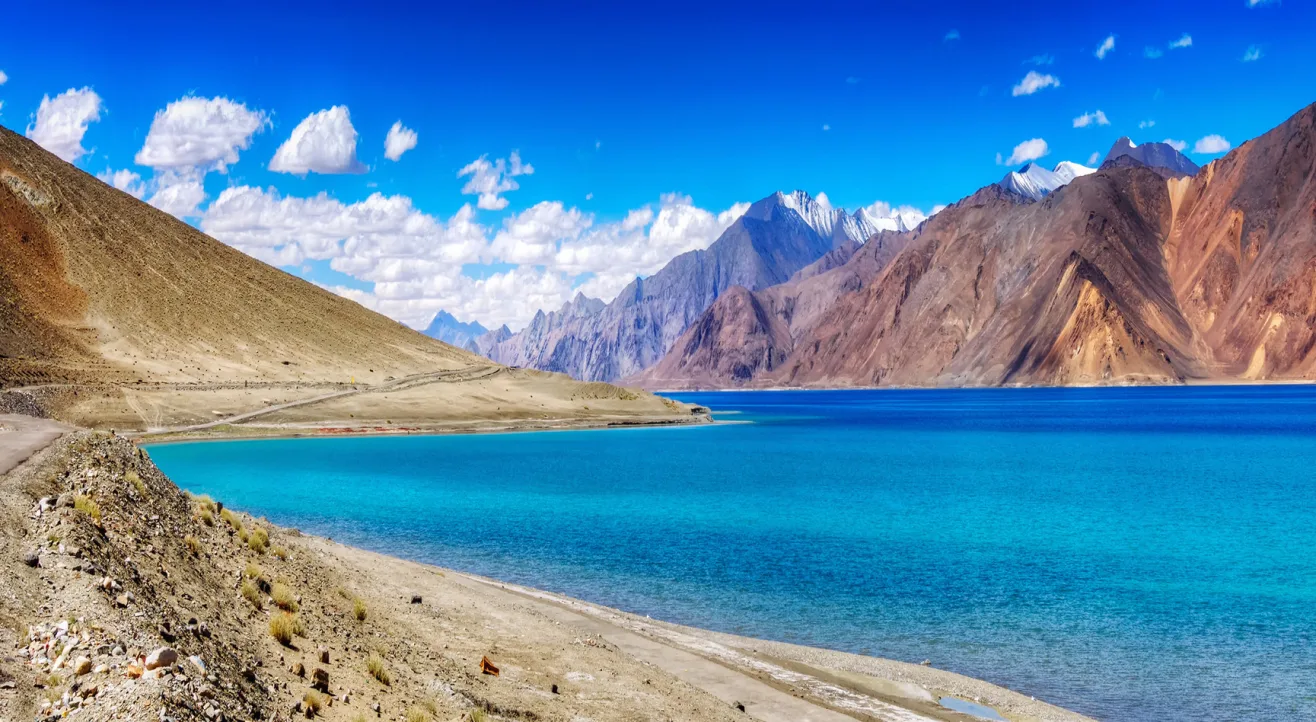
8. Leh – Ladakh
Leh Ladakh is a high-altitude desert located in the northernmost part of India. It is known for its rugged terrain, stunning natural beauty, and unique culture that make it a must-visit destination for any traveler.
The region is home to some of the most breathtaking landscapes in the world, from snow-covered mountains to crystal clear lakes. The Pangong Tso Lake, situated at an altitude of 4,350 meters, is one of the most popular tourist destinations in the region and is a must-visit for anyone traveling to Leh Ladakh.
Apart from its natural beauty, Leh Ladakh is also known for its unique culture and traditions. The region is home to many monasteries and Buddhist temples, such as the Hemis Monastery and the Thiksey Monastery, which offer a window into the rich cultural heritage of the region.
Leh Ladakh is also a popular destination among adventure enthusiasts, offering a variety of adventure sports such as trekking, mountain biking, and river rafting. The region is particularly popular among bikers, who come from all over the world to ride through the rugged terrain and explore the stunning landscapes.
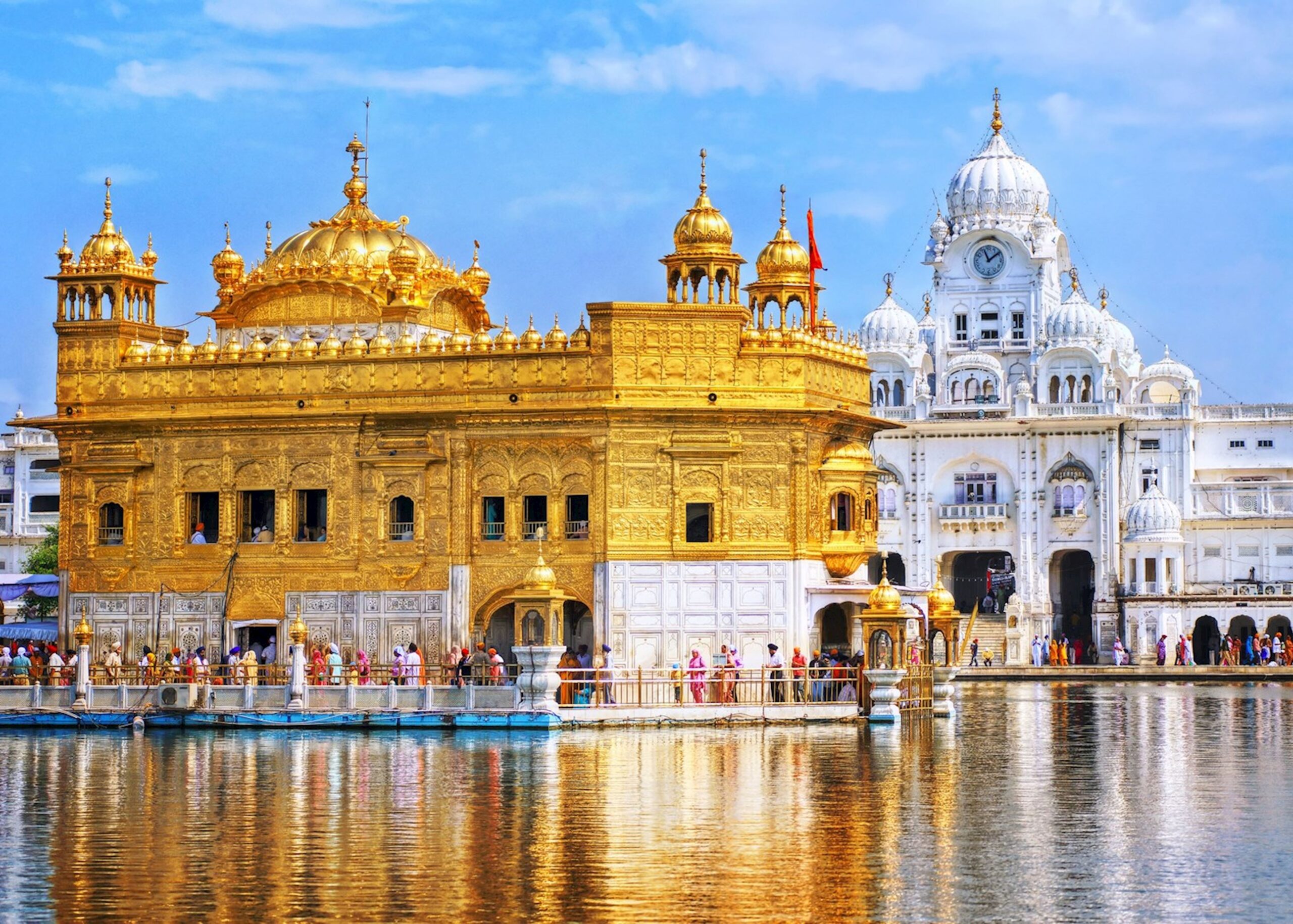
9. Amritsar
Amritsar, located in the northern Indian state of Punjab, is a city steeped in history, culture, and spirituality. It is home to some of the most iconic landmarks in India, including the Golden Temple, which is one of the most revered places of worship for Sikhs around the world.
Apart from the Golden Temple, Amritsar is also known for its vibrant street markets and delicious street food. The city is famous for its mouth-watering Punjabi cuisine, including dishes such as chole bhature, kulcha, and lassi, which are a must-try for anyone visiting the city.
Amritsar is also a great place to shop, with its many street markets and bazaars offering a variety of goods, from traditional handicrafts to trendy fashion accessories. The Hall Bazaar is one of the most popular shopping destinations in the city, offering a wide range of goods at affordable prices.
In addition to its rich culture and vibrant street life, Amritsar is also a city with a fascinating history. The Jallianwala Bagh, a public garden located in the city, is the site of a tragic incident in Indian history when British troops fired on a peaceful crowd of protesters, killing hundreds of innocent people. Today, the garden serves as a memorial to those who lost their lives.
10. Jim Corbett
Jim Corbett National Park is located in the northern Indian state of Uttarakhand and is known for its stunning natural beauty and wildlife. The park is home to a variety of animals, including tigers, elephants, deer, and many species of birds, making it a popular destination among wildlife enthusiasts.
Apart from wildlife, Jim Corbett is also known for its adventure sports, such as river rafting and trekking, which offer a great way to explore the surrounding area and its stunning landscapes. The park is also a great place to relax and unwind, with many picnic spots and scenic spots offering a perfect setting for a relaxing getaway.
One of the main attractions of Jim Corbett is its jeep safaris, which offer visitors a chance to see the wildlife up close and personal. The safaris are conducted by experienced guides who are familiar with the area and its wildlife, ensuring a safe and memorable experience for all.
In addition to wildlife and adventure sports, Jim Corbett is also known for its rich history and culture. The park is named after Jim Corbett, a legendary hunter turned conservationist who played a key role in the creation of the park and the conservation of its wildlife.
11. Jaipur
Jaipur, also known as the Pink City, is the capital of the Indian state of Rajasthan and is known for its rich history, culture, and stunning architecture. The city is a popular destination among tourists from all over the world, thanks to its beautiful palaces, vibrant bazaars, and delicious cuisine.
One of the most iconic landmarks in Jaipur is the Hawa Mahal, also known as the Palace of Winds. This beautiful palace was built in the 18th century and is known for its stunning pink façade and intricate carvings.
Another popular destination in Jaipur is the City Palace, which is a complex of palaces, courtyards, and gardens that was built by the Maharaja of Jaipur. The palace is a great place to learn about the history and culture of the city, and offers a fascinating glimpse into the lives of the royal families of Rajasthan.
Jaipur is also known for its vibrant street markets, such as the Johari Bazaar and Bapu Bazaar, which offer a variety of goods, from traditional handicrafts to trendy fashion accessories. The city is also famous for its delicious cuisine, which includes dishes such as dal baati churma, ghevar, and laal maas.
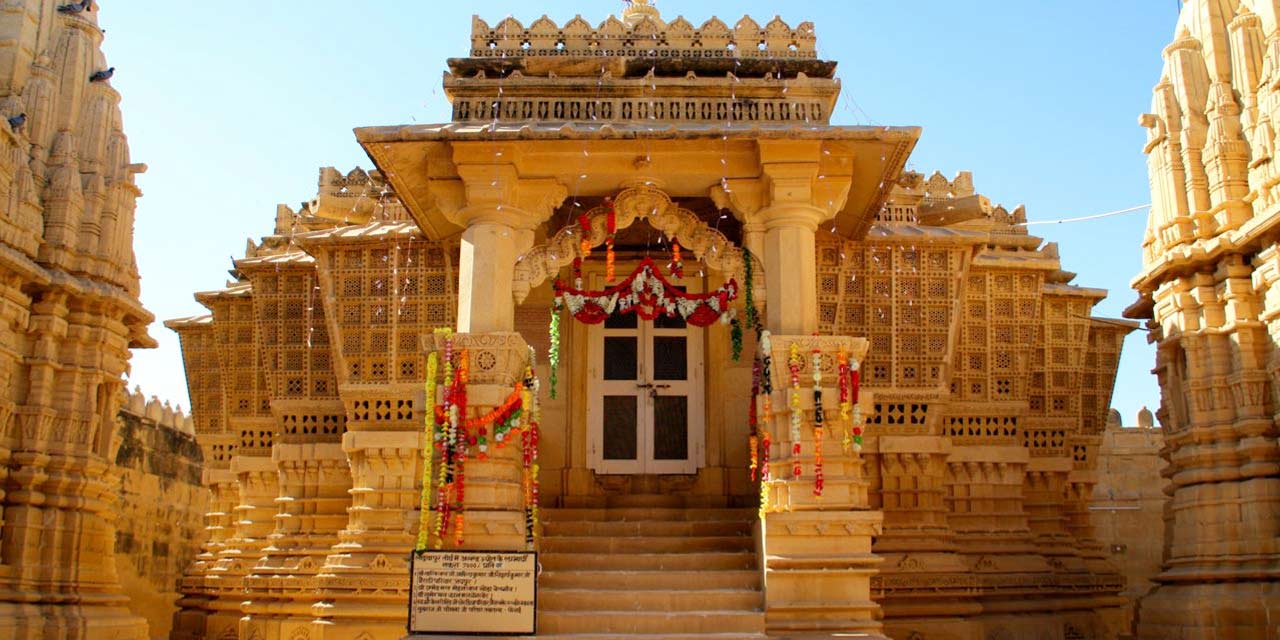
Jaisalmer, also known as the Golden City, is located in the Indian state of Rajasthan and is known for its stunning desert landscapes and beautiful sandstone architecture. The city is home to some of the most iconic landmarks in India, including the Jaisalmer Fort, which is a UNESCO World Heritage site.
One of the most popular activities in Jaisalmer is camel safaris, which offer visitors a chance to explore the desert landscapes and enjoy stunning views of the sunset. The camel safaris usually include a visit to a traditional Rajasthani village, where visitors can learn about the local culture and way of life.
Apart from camel safaris, Jaisalmer is also known for its vibrant street life and bustling bazaars. The city is famous for its textiles, including beautiful embroidered fabrics and traditional Rajasthani mirror work. Visitors can also shop for jewelry, handicrafts, and other souvenirs at the many street markets and bazaars in the city.
Jaisalmer is also home to a number of beautiful havelis, which are traditional Rajasthani mansions known for their intricate carvings and beautiful architecture. The Patwon ki Haveli and Salim Singh ki Haveli are two of the most famous havelis in Jaisalmer and are a must-visit for anyone interested in the city’s rich cultural heritage.
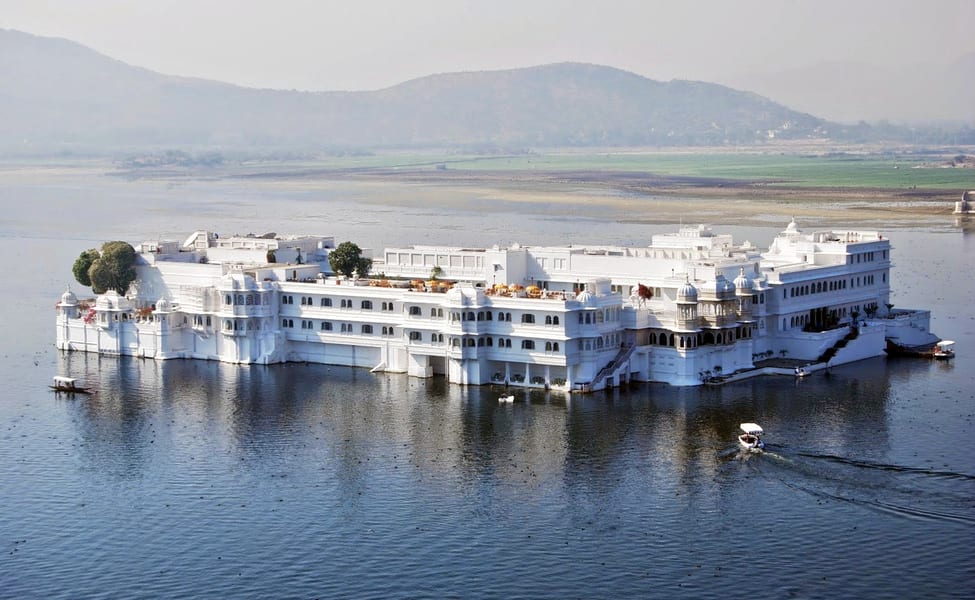
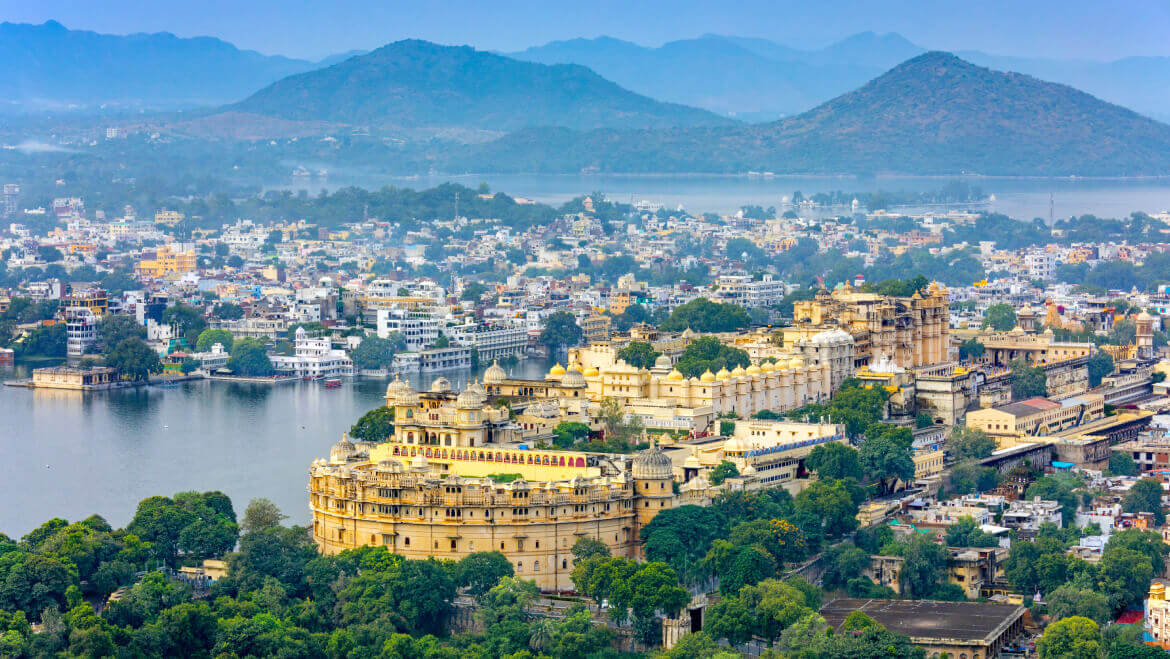
Udaipur is a city located in the Indian state of Rajasthan and is known for its beautiful lakes, stunning palaces, and rich cultural heritage. Often referred to as the “Venice of the East”, Udaipur is a popular destination among tourists from all over the world.
One of the most iconic landmarks in Udaipur is the City Palace, which is a complex of palaces, courtyards, and gardens that was built by the Maharana of Udaipur. The palace is a great place to learn about the history and culture of the city, and offers a fascinating glimpse into the lives of the royal families of Rajasthan.
Another popular destination in Udaipur is the Lake Palace, which is a beautiful palace located on an island in the middle of Lake Pichola. The palace is now a luxury hotel and offers a unique and luxurious experience to visitors.
Udaipur is also known for its beautiful lakes, including Fateh Sagar Lake and Pichola Lake, which offer stunning views of the surrounding mountains and palaces. Visitors can enjoy boat rides on the lakes and take in the beautiful views of the city.
14. Haridwar – Rishikesh
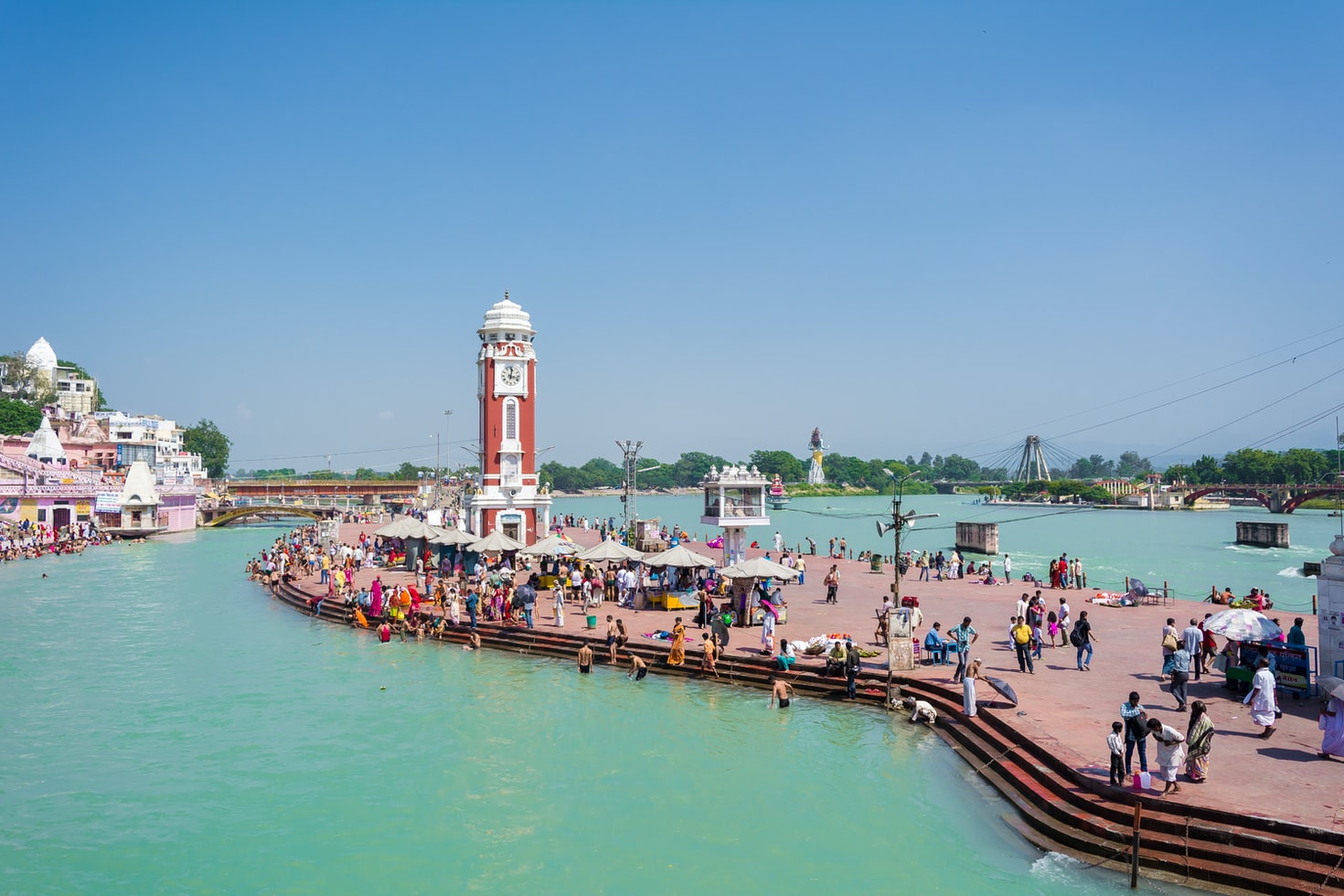
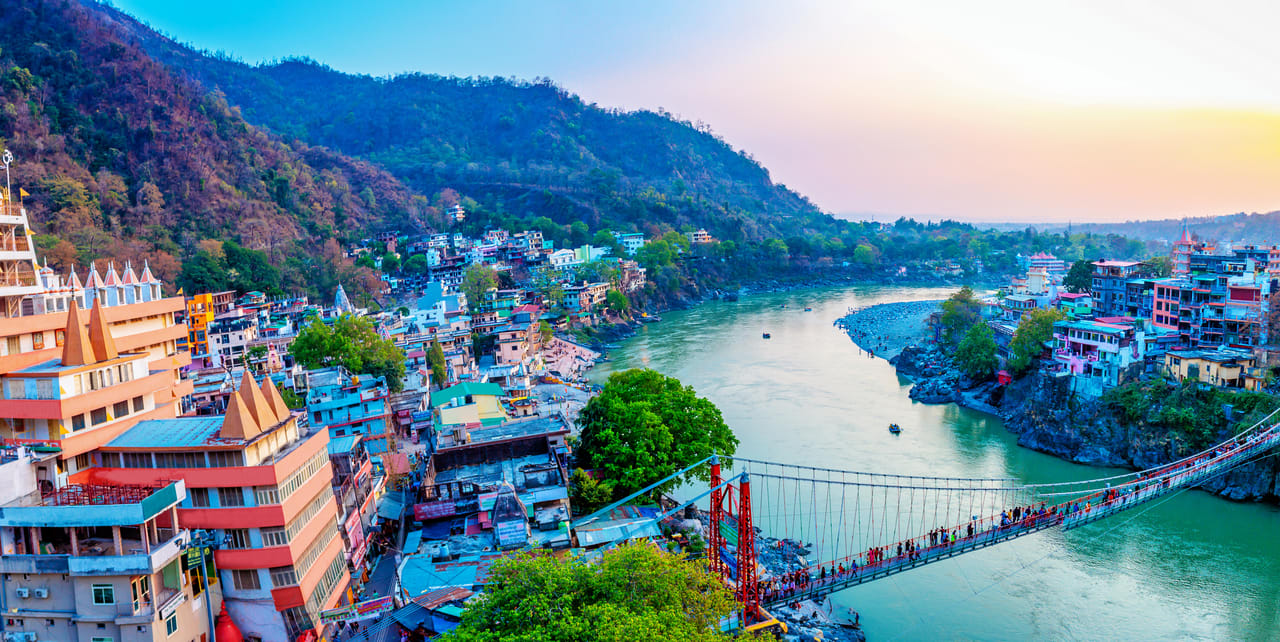
Haridwar and Rishikesh are two cities located in the Indian state of Uttarakhand, and are known for their spiritual significance and natural beauty. Haridwar is considered one of the holiest cities in India, while Rishikesh is known as the yoga capital of the world.
Haridwar is home to the famous Har Ki Pauri ghat, where millions of devotees come every year to take a dip in the holy Ganges River. Visitors can also witness the evening aarti, a beautiful ceremony where lamps are lit and prayers are offered to the river.
Rishikesh is a destination for those looking to learn yoga and meditation, with several renowned yoga schools offering courses and workshops. The city is also known for its beautiful scenery, with the Ganges River flowing through the town and the surrounding mountains offering stunning views.
Both cities are also great places for adventure activities, such as white water rafting, bungee jumping, and zip lining. Visitors can also explore the nearby Rajaji National Park, which is home to a variety of wildlife including tigers, elephants, and leopards.
15. Kasol
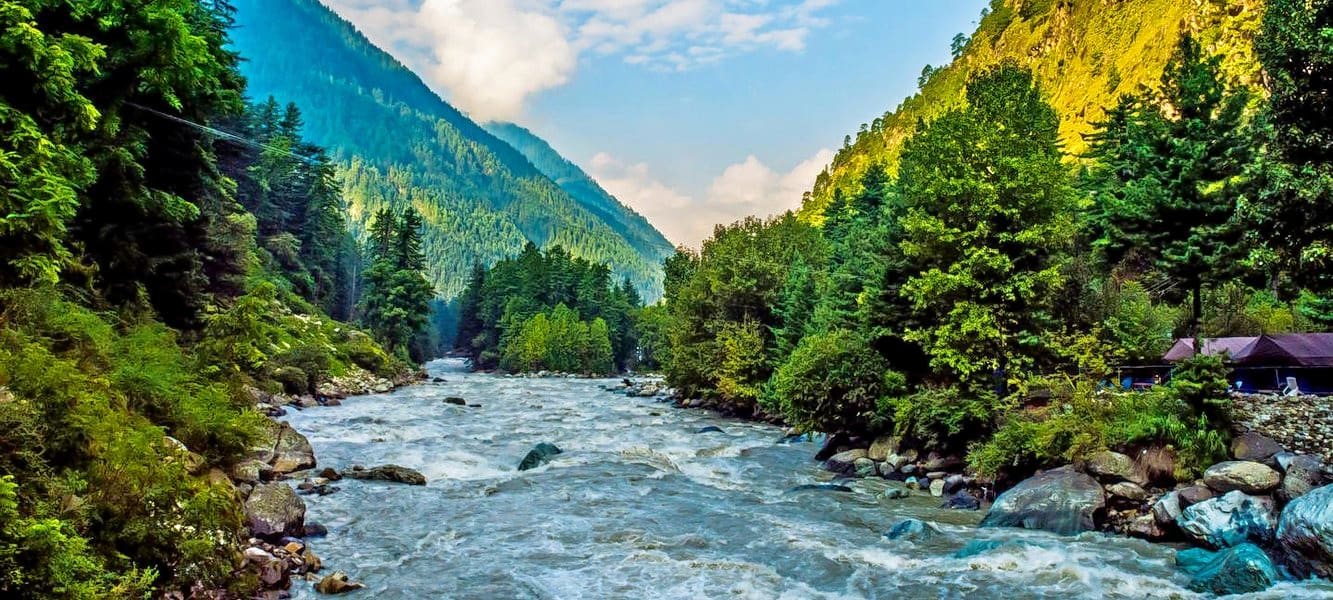
Kasol is a small village located in the Parvati Valley of the Indian state of Himachal Pradesh. It is a popular destination among backpackers and adventure enthusiasts, known for its stunning natural beauty and laid-back vibe.
One of the main attractions of Kasol is its scenic location, surrounded by the Parvati River and snow-capped mountains. Visitors can go trekking in the nearby hills, visit waterfalls and hot springs, and enjoy the serene beauty of the Parvati Valley.
Kasol is also a hub for hippie culture and is home to several cafes and restaurants serving organic food, along with music and art events. It is a great place to relax and soak in the laid-back atmosphere, away from the hustle and bustle of city life.
Another popular attraction in Kasol is the Kheerganga trek, which takes you through scenic trails and leads to a natural hot spring at the top. It is a great way to experience the natural beauty of the region and take in the stunning views of the Himalayas.
16. Mussoorie
Mussoorie is a beautiful hill station located in the Indian state of Uttarakhand, nestled in the foothills of the Himalayas. It is a popular destination for those seeking a break from the hustle and bustle of city life, offering breathtaking views of the mountains and valleys, along with a cool and pleasant climate.
One of the main attractions of Mussoorie is its scenic beauty, with lush green hills, waterfalls, and beautiful lakes all around. Visitors can go trekking to explore the beautiful natural landscapes, or simply relax and enjoy the serene beauty of the hills.
Mussoorie is also known for its colonial-era architecture, with several beautiful buildings and landmarks that offer a glimpse into the town’s past. Some of the must-visit attractions include the Christ Church, the Mussoorie Library, and the Lal Tibba viewpoint.
In addition to the natural beauty and colonial charm, Mussoorie also offers several adventure activities such as rock climbing, rappelling, and zip lining. There are also several local markets and shopping areas where visitors can buy local handicrafts and souvenirs.
Mcleodganj is a small town located in the Kangra district of the Indian state of Himachal Pradesh, nestled in the Dhauladhar Range of the Himalayas. It is a popular destination among travelers and adventure enthusiasts, known for its stunning natural beauty, vibrant culture, and serene ambiance.
One of the main attractions of Mcleodganj is the majestic mountain range, which offers a breathtaking view of the surrounding hills and valleys. Visitors can go trekking or hiking to explore the beautiful natural landscapes, or simply relax and enjoy the serene beauty of the hills.
Mcleodganj is also known for its vibrant Tibetan culture, with several monasteries and temples that offer a glimpse into the town’s unique history and culture. The famous Dalai Lama Temple Complex is a must-visit attraction, as it is the residence of the Dalai Lama and an important center of Tibetan culture and spirituality.
In addition to the natural beauty and rich culture, Mcleodganj also offers several adventure activities such as paragliding, camping, and rock climbing. There are also several local markets and shopping areas where visitors can buy local handicrafts and souvenirs.
18. Varanasi
Varanasi, also known as Banaras or Kashi, is one of the oldest and most sacred cities in India, located on the banks of the River Ganges. It is a city steeped in rich culture, spirituality, and history, attracting visitors from all over the world.
One of the main attractions of Varanasi is its spiritual and religious significance, with several ancient temples and ghats lining the banks of the River Ganges. Visitors can take a boat ride along the river to witness the sacred rituals and ceremonies, or simply take a stroll through the narrow lanes of the city to explore its rich culture and history.
Varanasi is also known for its vibrant and bustling markets, offering a range of local handicrafts and souvenirs. The famous Banarasi silk sarees and handwoven carpets are a must-buy for visitors.
In addition to the spiritual and cultural experiences, Varanasi also offers several adventure activities such as hot air balloon rides, river rafting, and zip lining. The city also has a range of delectable local cuisine, from chaat and lassi to the famous Banarasi paan.
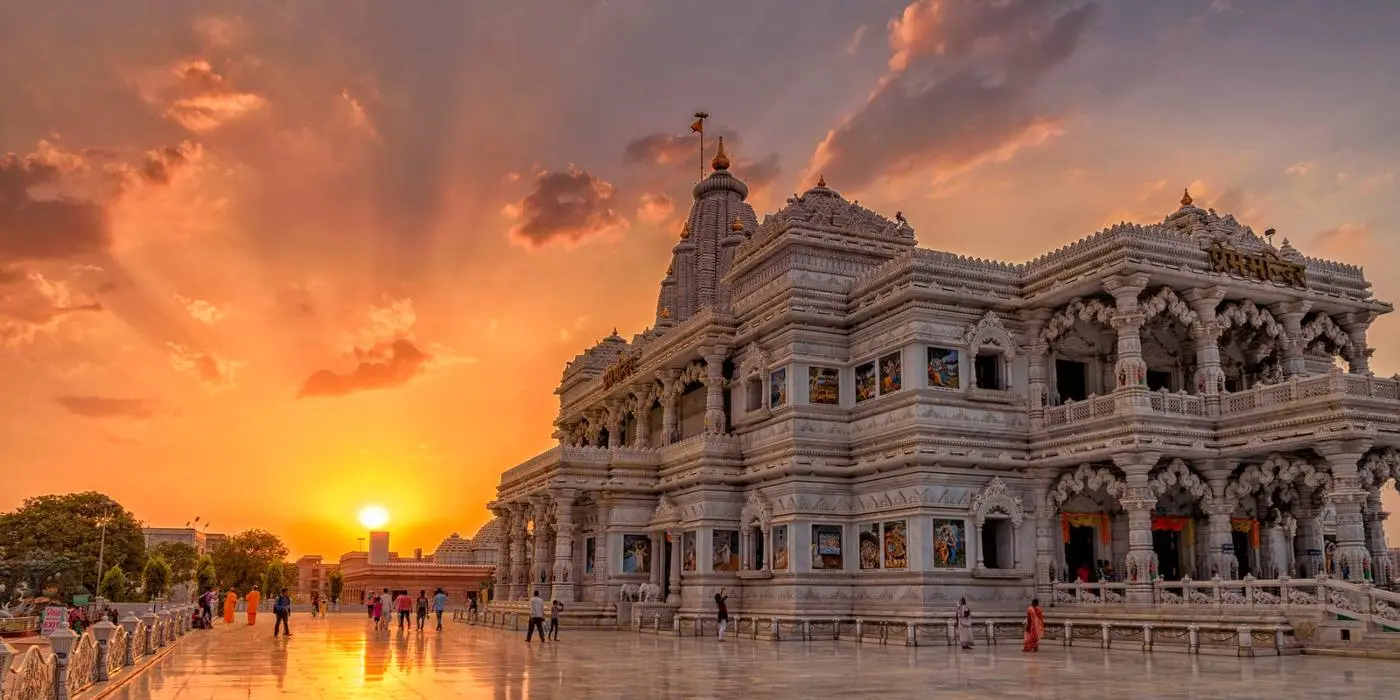
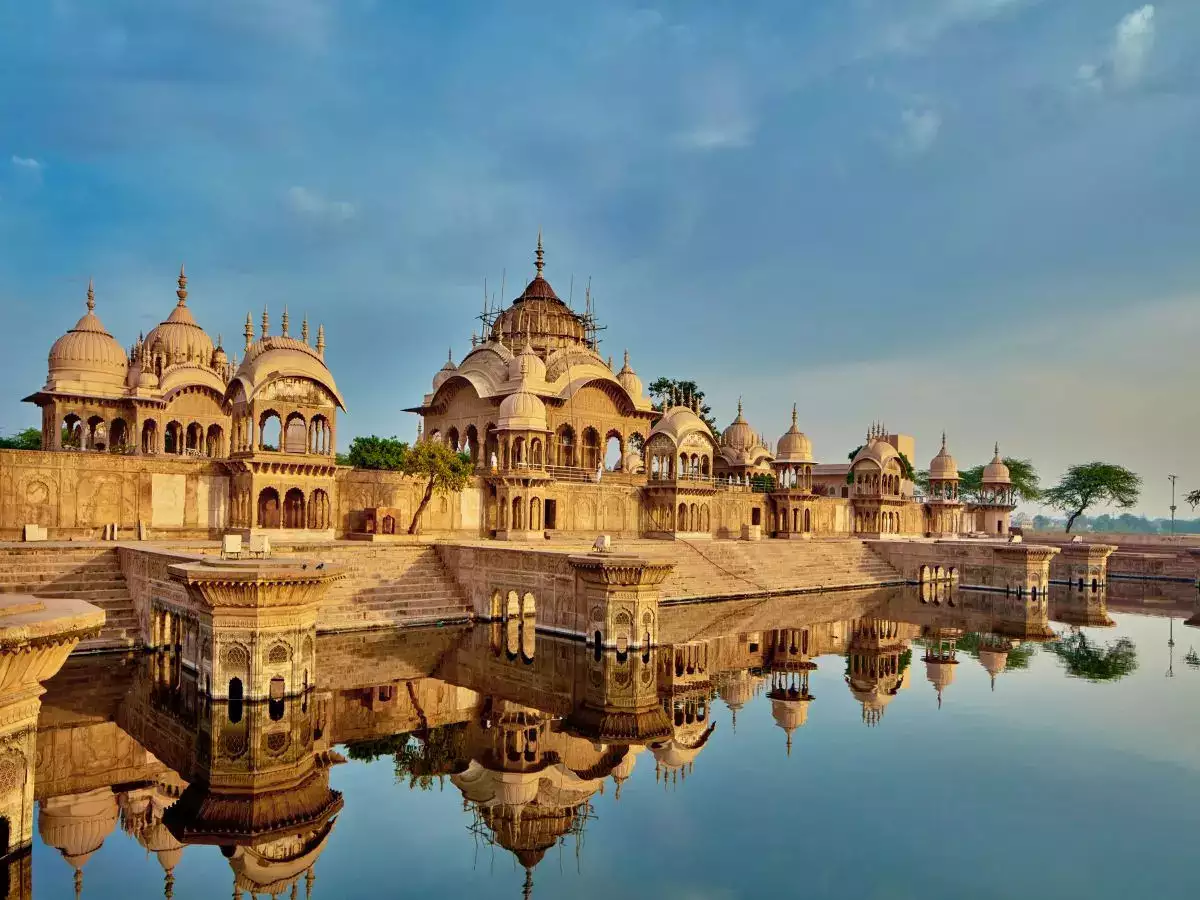
Mathura and Vrindavan are two of the most revered and sacred destinations for Hindus, located in the northern state of Uttar Pradesh in India. The twin cities are closely associated with Lord Krishna and are believed to be the birthplace and childhood home of the Hindu god.
One of the main attractions of Mathura and Vrindavan is the range of ancient temples and pilgrimage sites. Visitors can explore the famous Krishna Janmabhoomi Temple, which is believed to be the birthplace of Lord Krishna, or visit the Banke Bihari Temple, a revered shrine in Vrindavan.
The cities are also known for their vibrant and colorful festivals, including Holi, Janmashtami, and Radha Ashtami. These festivals attract thousands of devotees and visitors from all over the world.
In addition to the spiritual and religious experiences, Mathura and Vrindavan also offer several local handicrafts and souvenirs, including Radha-Krishna paintings, brass idols, and wooden toys.
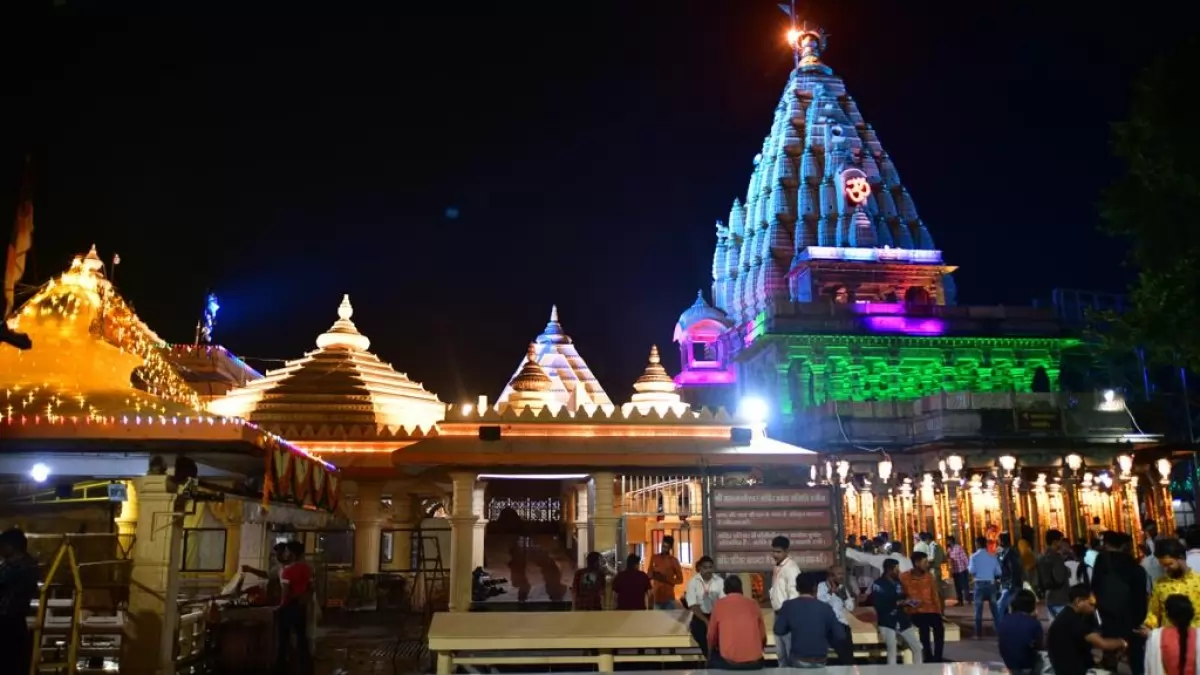
20. Ujjain
Ujjain is a city located in the Indian state of Madhya Pradesh. It is one of the oldest cities in the country and is regarded as one of the seven holiest places for Hindus. It is situated on the banks of the river Shipra and is renowned for its rich cultural heritage and religious significance.
Ujjain is a popular destination for spiritual tourism, as it is home to several temples and pilgrimage sites. The Mahakaleshwar Temple, one of the twelve Jyotirlingas in India, is a must-visit for devotees of Lord Shiva. The temple is believed to have been built in the 4th century BC and is known for its unique architecture and intricate carvings. The Bade Ganeshji Ka Mandir, Harsiddhi Temple, Chintaman Ganesh Temple, and Kal Bhairav Temple are some of the other popular temples in Ujjain.
Apart from its spiritual significance, Ujjain is also famous for its cultural heritage. The city is home to the Vikram University, which is one of the oldest and most prestigious universities in India. The university is renowned for its academic excellence and research programs in various fields such as science, arts, and humanities. The Kumbh Mela, which is held every twelve years in Ujjain, is another important cultural event that attracts millions of visitors from all over the world.
Ujjain is also known for its delicious cuisine, which is a blend of traditional and modern flavors. The local street food is a must-try, especially the famous Ujjaini Sev and Poha, which are popular breakfast items in the city. The city is also famous for its sweets, including the famous Malpua, Jalebi, and Rabri.
In terms of accommodation, Ujjain offers a range of options to suit all budgets. There are several budget-friendly guesthouses and hostels, as well as luxury hotels and resorts. The city is well connected by road, rail, and air, making it easily accessible from all major cities in India.
21. Lucknow
Lucknow, the capital city of the Indian state of Uttar Pradesh, is a vibrant and culturally rich destination that offers a unique blend of modernity and tradition. Known as the “City of Nawabs,” Lucknow is renowned for its elegant architecture, delicious cuisine, and warm hospitality.
One of the main attractions of Lucknow is its rich history and culture. The city was ruled by various dynasties over the centuries, including the Mughals, Nawabs, and British, and each left its mark on the city’s architecture and culture. The Bara Imambara, Chota Imambara, and Rumi Darwaza are some of the iconic architectural marvels of the city that reflect its rich heritage.
Lucknow is also famous for its culinary traditions, which are a blend of Mughal, Awadhi, and British influences. The city is known for its delicious kebabs, biryanis, and sweets such as the famous Lucknowi paan and kulfi. Food lovers can explore the bustling streets of Chowk and Aminabad, which are famous for their street food.
The city is also a center of fine arts and crafts, with its famous Chikankari embroidery being a well-known export. The bustling markets of Lucknow are the perfect place to buy handcrafted items such as sarees, jewelry, and handicrafts.
22. Bir
Bir is a small town located in the Kangra district of Himachal Pradesh, India. Known for its breathtaking views of the Dhauladhar mountain range and lush green forests, Bir is a popular destination for adventure seekers and nature lovers.
One of the main attractions of Bir is its world-renowned paragliding site, which attracts enthusiasts from all over the world. The town is also known for its trekking trails, which offer stunning views of the mountains and valleys. Adventure seekers can try their hand at rock climbing, rappelling, and river crossing, all while enjoying the beauty of nature.
For those seeking a more relaxed vacation, Bir offers several meditation and yoga retreats. The town is also famous for its Tibetan culture and offers visitors the opportunity to learn about Tibetan art, music, and cuisine. The Bir Tibetan Colony is home to several monasteries and nunneries, which offer a glimpse into the Buddhist way of life.
23. Kedarnath
Kedarnath, located in the northern state of Uttarakhand, India, is a holy town that attracts thousands of pilgrims every year. The town is situated at an altitude of 3,583 meters and is home to the famous Kedarnath Temple, one of the twelve Jyotirlingas of Lord Shiva.
The journey to Kedarnath is an experience in itself. The town is nestled amidst the snow-capped Himalayan mountains and can only be reached by a 16-kilometer trek from Gaurikund or by helicopter. The trek is a challenging one and requires a certain level of physical fitness, but the breathtaking views of the mountains and the sound of the holy river Mandakini make it all worthwhile.
The Kedarnath Temple is the main attraction of the town and is a sacred pilgrimage site for Hindus. The temple is believed to have been built by the Pandavas during the Mahabharata era and is one of the holiest shrines of Lord Shiva. The temple is open from May to November and is visited by thousands of devotees every day.
Apart from the temple, Kedarnath is also famous for its natural beauty. The town is surrounded by majestic peaks, glaciers, and waterfalls that offer stunning views to visitors. The nearby Vasuki Tal, a high-altitude lake, is a popular trekking destination and offers breathtaking views of the surrounding mountains.
24. Ayodhya
Ayodhya, located in the northern state of Uttar Pradesh, India, is a holy town that holds great significance for Hindus. It is believed to be the birthplace of Lord Rama, one of the most revered deities in Hinduism. The town is situated on the banks of the river Sarayu and is home to several ancient temples and holy sites.
The main attraction of Ayodhya is the Ram Janmabhoomi Temple, which is believed to be the exact spot where Lord Rama was born. The temple has undergone several renovations over the years and is now a grand structure that attracts thousands of devotees every day. Apart from the temple, Ayodhya is also home to several other temples such as the Hanuman Garhi Temple and the Kanak Bhawan Temple, which are dedicated to Lord Hanuman and Lord Rama respectively.
The town is also known for its cultural heritage and is home to several museums and historical sites. The Ayodhya Shodh Sansthan Museum is a must-visit for history buffs and offers a glimpse into the town’s rich past. Visitors can also take a boat ride along the Sarayu river and witness the town’s scenic beauty.
25. Amarnath
Amarnath, located in the northern state of Jammu and Kashmir, India, is a holy town that attracts thousands of pilgrims every year. The town is situated at an altitude of 3,888 meters and is home to the famous Amarnath Cave, one of the most revered shrines of Lord Shiva.
The journey to Amarnath is an experience in itself. The town is surrounded by snow-capped mountains and can only be reached by a trek of approximately 14 kilometers from Pahalgam or by helicopter. The trek is challenging and requires a certain level of physical fitness, but the stunning views of the mountains and the scenic beauty of the valley make it all worthwhile.
The Amarnath Cave is the main attraction of the town and is a sacred pilgrimage site for Hindus. The cave is believed to have been discovered by a Muslim shepherd named Buta Malik, who was blessed with a vision of the holy lingam inside the cave by Lord Shiva. The cave houses a natural ice lingam that forms every year and is believed to be a manifestation of Lord Shiva.
Apart from the cave, Amarnath is also famous for its natural beauty. The nearby Lidder Valley is a popular trekking destination and offers breathtaking views of the surrounding mountains. The town is also home to several ancient temples and holy sites such as the Martand Sun Temple and the Awantipur Temple.
26. Chandigarh
Chandigarh, located in the northern state of Punjab, India, is a unique and modern city that serves as the capital of both Punjab and Haryana. Designed by the famous French architect Le Corbusier, the city is known for its urban planning and aesthetic beauty.
Chandigarh is a perfect blend of modernity and tradition. The city has several iconic landmarks such as the Capitol Complex, the Rock Garden, and the Sukhna Lake that attract tourists from all over the world. The Capitol Complex houses the High Court, the Legislative Assembly, and the Secretariat, and is an example of modern architecture.
The Rock Garden is another famous tourist spot that features sculptures made out of recycled materials. The garden is a tribute to the environment and showcases the importance of recycling and sustainability. Sukhna Lake is a serene and tranquil spot that offers boating and other water activities.
Apart from the landmarks, Chandigarh is also famous for its food and culture. The city is known for its Punjabi cuisine, which is a blend of rich flavors and spices. The local markets offer traditional handicrafts and textiles, which are a testament to the city’s vibrant culture.
27. Kaza
Kaza is a small town situated in the Spiti Valley of Himachal Pradesh, India. The town is surrounded by rugged mountains and is home to several ancient monasteries and gompas. Kaza is a popular destination for adventure enthusiasts and nature lovers.
The town is located at an altitude of 3,800 meters and is accessible by road from Manali and Shimla. The road to Kaza is an adventure in itself and offers stunning views of the surrounding mountains and valleys. The town is the perfect destination for those seeking peace and tranquility amidst the lap of nature.
Kaza is famous for its ancient monasteries and gompas such as the Ki Monastery and the Tabo Monastery. These monasteries are a testament to the rich culture and heritage of the Spiti Valley. The town is also known for its stunning natural beauty and offers several trekking and hiking trails.
The Pin Valley National Park is another famous attraction of Kaza. The park is home to several endangered species of animals and birds such as the snow leopard and the Himalayan ibex. The park also offers breathtaking views of the surrounding mountains and valleys.
28. Kufri
Kufri is a picturesque hill station situated in the Shimla district of Himachal Pradesh, India. The town is located at an altitude of 2,510 meters and is famous for its natural beauty and adventure activities. Kufri is the perfect destination for those seeking a break from the hustle and bustle of city life.
The town is surrounded by dense forests and offers stunning views of the snow-capped Himalayan mountains. Kufri is known for its adventure activities such as skiing, trekking, and hiking. The town also has a zoo that houses several rare species of animals and birds such as the Himalayan black bear and the snow leopard.
Kufri is also famous for its temples such as the Mahasu Temple and the Kufri Fun World. The Mahasu Temple is dedicated to Lord Shiva and is a popular pilgrimage site. The Kufri Fun World is an amusement park that offers several thrilling rides and attractions.
In addition to the adventure activities and temples, Kufri also offers a glimpse into the local culture and traditions. The town is home to several local markets that offer traditional handicrafts and textiles.
29. Gangotri
Gangotri is a sacred town situated in the Uttarkashi district of Uttarakhand, India. The town is located at an altitude of 3,048 meters and is the source of the holy River Ganges. Gangotri is a popular destination for pilgrims and is considered to be one of the Char Dhams (four sacred shrines) in Hinduism.
The town is surrounded by stunning Himalayan mountains and is home to the Gangotri Temple, which is dedicated to Goddess Ganga. The temple is a popular pilgrimage site and is believed to be the spot where King Bhagirath meditated to bring the River Ganges to earth.
Apart from the temple, Gangotri also offers several trekking and hiking trails that offer stunning views of the surrounding mountains and valleys. The town is the starting point for the famous trek to Gaumukh, which is the source of the River Ganges.
Gangotri is also famous for its natural hot springs and waterfalls such as the Gauri Kund and the Bhagirathi Shila. These natural wonders are believed to have therapeutic properties and are visited by tourists and pilgrims alike.
In conclusion, Gangotri is a spiritual haven that offers a perfect blend of natural beauty and culture. The town’s sacred temple, stunning views, and natural wonders make it a must-visit destination for tourists and pilgrims. Whether you are a nature lover, a spiritual seeker, or an adventure enthusiast, Gangotri has something to offer for everyone.
30. Bihar
Bihar is known for its rich cultural heritage and ancient history. The state is home to several important historical and cultural sites such as Bodh Gaya, Nalanda, and Vaishali.
Bodh Gaya is a sacred town and is the birthplace of Buddhism. The town is home to the Mahabodhi Temple, which is a UNESCO World Heritage site and is believed to be the spot where Buddha attained enlightenment.
Nalanda is another important historical site in Bihar and was once home to one of the world’s oldest universities. The ruins of the university are a popular tourist attraction and offer a glimpse into ancient Indian education.
Vaishali is an important historical site in Bihar and is believed to be the birthplace of Lord Mahavira, the founder of Jainism. The town is home to several important Jain temples and is a popular pilgrimage site for Jains.
In addition to the historical and cultural sites, Bihar is also known for its unique cuisine, which is a blend of various regional and ethnic influences. The state is famous for its sweets such as the famous ‘litti chokha’ and ‘khaja’.
31. Ranthambore
Ranthambore National Park is one of the most popular national parks in India and is located in the Sawai Madhopur district of Rajasthan. The park is home to a diverse range of flora and fauna, including the majestic Bengal Tiger, which is the star attraction of the park.
The park covers an area of 1,334 square kilometers and is a perfect blend of natural beauty and wildlife. The park’s diverse topography, which includes hills, lakes, and valleys, makes it an ideal habitat for a wide range of animal and bird species.
Apart from tigers, the park is also home to several other wildlife species such as leopards, sloth bears, striped hyenas, and various species of deer and antelopes. The park is also a popular destination for birdwatchers and is home to several species of migratory and resident birds.
The park offers several safari options, including jeep safari and canter safari, which allow visitors to explore the park’s stunning landscape and observe its wildlife in their natural habitat.
In addition to the wildlife, the park also has several historical landmarks such as the Ranthambore Fort and the Jogi Mahal, which add to the park’s charm and cultural significance.
32. Bharatpur
Bharatpur is a small town located in the state of Rajasthan, India. The town is home to the famous Keoladeo National Park, which is a UNESCO World Heritage site and one of the best bird sanctuaries in the world. The park is home to a wide variety of migratory and resident bird species, making it a paradise for birdwatchers.
The park covers an area of 29 square kilometers and is home to over 350 species of birds, including the rare Siberian Crane. Apart from birds, the park is also home to several other wildlife species such as deer, wild boar, and jackals.
The park is best explored on foot or by cycle rickshaw, which allows visitors to get close to the birds and observe them in their natural habitat. The best time to visit the park is from November to March when the migratory birds arrive at the park.
Apart from the park, Bharatpur also has several historical landmarks such as the Lohagarh Fort and the Bharatpur Palace, which add to the town’s charm and cultural significance.
33. Pushkar
Pushkar is a small town located in the state of Rajasthan, India. The town is famous for its sacred lake and the annual Pushkar Camel Fair, which attracts thousands of tourists from around the world.
The town’s main attraction is the Pushkar Lake, which is considered one of the holiest lakes in India. The lake is surrounded by several ghats, which are used for ritual bathing and religious ceremonies. The town is also home to several temples, including the Brahma Temple, which is the only temple dedicated to Lord Brahma in the world.
Apart from the temples, Pushkar is also known for the annual Pushkar Camel Fair, which takes place in November. The fair is a unique celebration of the desert culture and is a great opportunity to witness the beauty of camels and experience the local culture.
Pushkar also offers several other activities, including hot air ballooning, trekking, and shopping for local handicrafts.
34. Dalhousie
Dalhousie is a picturesque hill station located in the state of Himachal Pradesh, India. The town is surrounded by the Dhauladhar mountain range and offers stunning views of the Himalayas. It is a popular destination among tourists looking for a peaceful retreat in the lap of nature.
The town is named after Lord Dalhousie, who was the British Governor-General of India in the 19th century. It has several colonial-era buildings, including St. John’s Church and the Dalhousie Club, which add to its charm and cultural significance.
Dalhousie also has several trekking trails and nature walks, which offer breathtaking views of the surrounding mountains and valleys. The town is also home to several waterfalls, including Panchpula and Satdhara, which are popular tourist attractions.
Apart from natural beauty, Dalhousie also offers several adventure activities such as paragliding, rock climbing, and rappelling.
35. Spiti
Spiti is a remote valley located in the northern Indian state of Himachal Pradesh. The region is situated at an altitude of over 12,000 feet and is known for its breathtaking landscape, unique culture, and ancient monasteries.
The region is home to several small villages and towns, each with its own unique charm and beauty. The Spiti River flows through the valley, creating a serene and peaceful atmosphere. The region is also home to several ancient monasteries, including the Key Monastery and the Tabo Monastery, which are a must-visit for tourists looking to explore the local culture and heritage.
Spiti is also known for its adventure activities such as trekking, mountaineering, and camping. The valley offers several trekking trails, including the famous Spiti Valley Trek, which takes tourists through some of the most beautiful landscapes in the region.
Apart from natural beauty and adventure activities, Spiti is also famous for its unique culture and traditions. The region is predominantly Buddhist, and the locals are warm and friendly, offering a glimpse into the ancient way of life of the Lamas.
In conclusion, Spiti is a journey to the land of Lamas, offering a unique blend of natural beauty, adventure, and culture. The valley’s stunning landscape, vibrant culture, and peaceful atmosphere make it a must-visit destination for tourists looking to explore the unexplored beauty of the Himalayas.
36. Alwar
Alwar is a city located in the northern Indian state of Rajasthan, known for its rich history, natural beauty and adventure activities. The city is home to several palaces, forts and temples that offer a glimpse into the rich cultural heritage of the region.
One of the most famous attractions in Alwar is the Bhangarh Fort, which is considered to be one of the most haunted places in India. The fort is surrounded by a dense forest and offers a unique and eerie experience for tourists.
Apart from historical attractions, Alwar is also home to several nature reserves, including the Sariska Tiger Reserve and the Siliserh Lake. These reserves offer opportunities for wildlife safaris and bird watching, making it a popular destination for nature lovers.
The city also offers several adventure activities such as trekking, rock climbing and zip-lining, making it a must-visit destination for adventure enthusiasts.
In conclusion, Alwar is a blend of history, nature and adventure that offers a unique and unforgettable experience for tourists. The city’s rich cultural heritage, stunning natural beauty, and exciting adventure activities make it a must-visit destination for tourists looking to explore the beauty of Rajasthan.
37. Prayagraj (Allahbad)
Prayagraj, also known as Allahabad, is a city located in the northern Indian state of Uttar Pradesh. The city is situated at the confluence of the Ganges, Yamuna and the mythical Saraswati rivers, making it a holy destination for Hindus.
One of the most famous attractions in Prayagraj is the Kumbh Mela, which is held every 12 years and attracts millions of pilgrims from all over the country. The city is also home to several temples and shrines, including the famous Triveni Sangam, where the three rivers meet.
Apart from religious attractions, Prayagraj is also known for its colonial architecture and historical monuments. The Allahabad Fort and Anand Bhavan, the ancestral home of the Nehru family, are popular tourist attractions.
Prayagraj also offers opportunities for boating, picnicking and camping along the riverbanks. The city’s rich cuisine and vibrant culture are also worth exploring, making it a must-visit destination for tourists looking for a unique and unforgettable experience.
38. Valley of Flowers
The Valley of Flowers is a beautiful meadow located in the Chamoli district of Uttarakhand, India. The valley is known for its stunning natural beauty, vibrant floral meadows and serene surroundings, making it a popular destination for trekkers and nature enthusiasts.
The valley is home to over 300 species of flowers, including Himalayan blue poppies, Himalayan cobra lilies and Himalayan bellflowers, which bloom in full glory during the months of July and August.
The valley is accessible only through a trek, which starts from the town of Govindghat and takes about four days to complete. The trek is considered moderate in difficulty, and offers stunning views of the surrounding Himalayan peaks.
Apart from the valley, the region is also home to several other trekking trails, including the Hemkund Sahib and the Badrinath trek, which are popular among trekkers and pilgrims alike.
39. Malana
Malana is a small village located in the Kullu district of Himachal Pradesh, India. The village is known for its unique culture, ancient customs and mystical beliefs, making it a popular destination for travelers looking to explore offbeat destinations in the Himalayas.
The villagers of Malana are believed to be the descendants of Alexander the Great’s army, and they follow a distinct culture and language that is different from the surrounding areas. The village is also known for its production of high-quality hashish, which is a major source of income for the villagers.
Apart from its cultural and mystical significance, Malana is also a popular destination for trekking and hiking. The village is located on the route to the famous Chandrakhani Pass trek, which offers stunning views of the surrounding Himalayan peaks and valleys.
Malana is also home to several ancient temples and shrines, including the Jamlu Devta temple, which is dedicated to the village’s deity. The temple is believed to be over 500 years old and is a major attraction for tourists.
40. Patni Top
Patni Top is a small hill station located in the Udhampur district of Jammu and Kashmir, India. It is located at an altitude of 6,640 feet above sea level and is known for its scenic beauty, picturesque landscapes, and serene environment.
The hill station is surrounded by lush green forests of pine and deodar trees, which provide a cool and refreshing atmosphere to visitors. Patni Top is also home to several trekking trails, which are popular among adventure enthusiasts.
One of the major attractions of Patni Top is the Nathatop, which is located at an altitude of 9,000 feet above sea level. Nathatop offers stunning panoramic views of the surrounding snow-capped Himalayan peaks and valleys.
Patni Top is also home to several ancient temples and shrines, including the famous Sudh Mahadev Temple, which is dedicated to Lord Shiva. The temple is believed to be over 2,000 years old and is a major attraction for tourists.
Top Places to Visit in India (EAST)
41. Kaziranga National Park
Kaziranga National Park is a UNESCO World Heritage Site and one of the most popular wildlife destinations in India. It is located in the state of Assam and covers an area of 430 square kilometers. The park is known for its large population of one-horned rhinoceroses, which is a rare and endangered species.
Apart from one-horned rhinoceroses, Kaziranga is home to a variety of other wildlife, including elephants, tigers, wild buffaloes, and swamp deer. The park is also home to several species of birds, making it a paradise for birdwatchers.
Visitors can explore the park on jeep safaris, elephant safaris, and on foot. The best time to visit the park is from November to April, when the weather is pleasant and wildlife sightings are common.
Apart from wildlife safaris, visitors can also experience the local culture of Assam by visiting nearby villages and markets. The park is also home to several resorts and lodges, providing comfortable accommodations for visitors.
42. Gangtok
Gangtok, the capital city of the Indian state of Sikkim, is a popular destination for those seeking peace and tranquility amidst the breathtaking Himalayan landscapes. The city is known for its charming streets, colorful buildings, and a thriving Buddhist culture.
One of the most popular attractions in Gangtok is the Rumtek Monastery, one of the largest and most significant monasteries in the region. Visitors can witness the daily life of the monks, admire the intricate murals and sculptures, and learn about the history and significance of the monastery.
Another must-visit attraction in Gangtok is the Tsomgo Lake, a glacial lake located at an altitude of 12,400 feet above sea level. The lake is surrounded by snow-capped mountains and offers breathtaking views, especially during the winter months when the lake is frozen.
Visitors can also explore the local markets in Gangtok, which offer a variety of handicrafts, textiles, and other souvenirs. The city is also known for its delicious local cuisine, which blends traditional Tibetan and Nepalese flavors.
43. Darjeeling
Darjeeling, located in the Indian state of West Bengal, is a popular hill station that offers breathtaking views of the Himalayas and a unique blend of cultures. Known for its tea plantations, charming streets, and colonial architecture, Darjeeling is a must-visit destination for those seeking a peaceful and rejuvenating getaway.
One of the most popular attractions in Darjeeling is the Darjeeling Himalayan Railway, also known as the “Toy Train.” The train takes visitors on a scenic journey through the lush green tea plantations and offers breathtaking views of the surrounding mountains.
Visitors can also explore the local markets in Darjeeling, which offer a variety of handicrafts, textiles, and other souvenirs. The city is also known for its delicious local cuisine, which includes traditional Tibetan, Nepalese, and Bengali dishes.
Another must-visit attraction in Darjeeling is the Tiger Hill, which offers stunning views of the sunrise over the Himalayas. Visitors can also explore the nearby monasteries, temples, and other cultural attractions.
44. Tawang
Tawang is a stunning destination located in the northeastern state of Arunachal Pradesh, India. Known for its scenic beauty, rich history, and unique cultural experiences, Tawang is a perfect offbeat travel destination for nature and culture enthusiasts.
One of the must-visit attractions in Tawang is the Tawang Monastery, which is the largest Buddhist monastery in India and home to numerous ancient artifacts and scriptures. The monastery also hosts a colorful festival, Tawang Festival, which is celebrated annually and attracts tourists from all over the world.
Apart from the monastery, Tawang also boasts of breathtaking natural landscapes. The Gorichen Peak, situated at an altitude of 22,500 feet, offers a mesmerizing view of the Himalayas. The P.T. Tso Lake, located at a distance of 17 km from Tawang, is another popular attraction that offers a peaceful and picturesque setting.
Tawang is also known for its unique cultural experiences. Visitors can witness traditional dance performances, taste local cuisine, and learn about the local customs and traditions. The town also has a lively local market that offers a variety of handicrafts, textiles, and other souvenirs.
45. Shilong
Shillong is a charming hill station located in the northeastern state of Meghalaya, India. Known for its scenic beauty, pleasant weather, and unique culture, Shillong is a popular travel destination for nature and culture enthusiasts.
One of the top attractions in Shillong is the Elephant Falls, a three-tiered waterfall located just outside the town. Visitors can take a refreshing dip in the natural pool formed by the waterfall or simply enjoy the stunning view from the top.
Another popular destination in Shillong is the Ward’s Lake, a serene lake surrounded by lush gardens and a perfect spot for a picnic. Visitors can also enjoy boating in the lake or simply take a leisurely stroll around its perimeter.
Shillong is also known for its vibrant music scene and unique culture. The town hosts the Shillong Autumn Festival, a three-day celebration of music, culture, and art that showcases the best of local talent. Visitors can also explore the local market, which offers a variety of handicrafts, textiles, and other souvenirs.
46. Ziro Valley
Ziro Valley is a picturesque valley located in the state of Arunachal Pradesh in India. Known for its natural beauty and unique cultural heritage, Ziro Valley is a must-visit destination for travelers looking for an offbeat and authentic travel experience.
One of the top attractions in Ziro Valley is the Talley Valley Wildlife Sanctuary, a biodiverse haven for rare and endangered species of plants and animals. Visitors can take a trek through the sanctuary and spot exotic birds, butterflies, and orchids along the way.
Another popular destination in Ziro Valley is the Ziro Music Festival, a four-day celebration of music, culture, and art that attracts artists and music lovers from all over the world. Visitors can enjoy live performances by local and international musicians while soaking in the stunning natural beauty of the valley.
Ziro Valley is also home to the Apatani tribe, a unique and fascinating community known for their distinctive facial tattoos, intricate bamboo structures, and sustainable agricultural practices. Visitors can explore the Apatani villages and interact with the locals to learn more about their rich cultural heritage.
In conclusion, Ziro Valley is a hidden gem in Arunachal Pradesh that offers visitors a chance to experience the natural beauty and unique cultural heritage of the region. Its wildlife sanctuary, music festival, and Apatani culture make it a must-visit destination for those seeking an enriching and authentic travel experience.
47. Nathu La Pass
Located in the Himalayas, Nathu La Pass is a high-altitude mountain pass that connects the Indian state of Sikkim to the Chinese region of Tibet. The pass is known for its strategic and historical significance and is a popular destination among adventure seekers and history enthusiasts.
Visitors to Nathu La Pass can enjoy breathtaking views of the snow-capped Himalayan peaks and also witness the unique blend of Indian and Chinese cultures. The pass is also home to a number of sacred Buddhist monasteries, such as the Changu Monastery, which is believed to date back to the 17th century.
However, visitors to Nathu La Pass need to be prepared for the high-altitude conditions, as the pass is located at an altitude of over 4,300 meters above sea level. Visitors may experience altitude sickness and are advised to acclimatize themselves before embarking on their journey. The pass is also closed during winter months due to heavy snowfall.
To visit Nathu La Pass, visitors need to obtain a permit from the Indian government as well as the Chinese authorities. The pass is accessible by road and is approximately 56 kilometers from the town of Gangtok, the capital of Sikkim.
48. Siang River
Located in the north-eastern state of Arunachal Pradesh, the Siang River is a natural wonder that attracts adventure enthusiasts from all over the world. Known as the Brahmaputra River in the lower plains, it originates from Tibet and flows through Arunachal Pradesh, Assam, and Bangladesh. The Siang River is popular among river rafting enthusiasts for its challenging rapids and breathtaking scenery.
The river is surrounded by dense forests, high mountains, and quaint villages, making it a paradise for nature lovers. Visitors can go on nature walks, bird watching tours, and trekking expeditions in the surrounding forests. The Siang River also offers the unique opportunity to experience the local culture of the Adi tribe, who live along the riverbank.
The best time to visit the Siang River is during the winter months, between November and March, when the weather is pleasant and the water levels are low. River rafting is the most popular activity on the Siang River, and visitors can choose from a range of options depending on their experience level. The rapids on the Siang River are rated Class III to Class V, making it suitable for experienced rafters.
49. Gorichen Peak
Gorichen Peak, also known as Sa-Nga Phu, is located in Tawang district of Arunachal Pradesh, India. It is a stunning mountain peak that stands tall at an elevation of 6,488 meters. The mountain is a major attraction for adventure enthusiasts and trekkers. Gorichen Peak is one of the highest peaks in Arunachal Pradesh and is considered one of the most challenging peaks to climb.
The Gorichen peak trek offers an incredible experience of trekking in the Eastern Himalayas, giving trekkers the opportunity to witness the beauty of the surrounding mountain ranges, forests, and streams. The trek takes you through beautiful landscapes, including dense forests, pristine rivers, and breathtaking meadows. It is a great way to experience the natural beauty of the region.
The best time to visit Gorichen Peak is from April to June and from September to November. During the winter months, the peak is covered in snow, making it difficult to climb. The trek is not for the faint-hearted, as it requires a high level of fitness and experience. However, the stunning views and sense of achievement make it all worthwhile.
In addition to trekking, visitors can also explore the nearby Tawang Monastery, which is one of the largest and most beautiful monasteries in India. The monastery is a major center of Buddhist learning and is home to many monks. It is a fascinating place to visit and offers a unique glimpse into the culture and traditions of the region.
Overall, Gorichen Peak is a must-visit destination for adventure enthusiasts and those who love to explore the beauty of the Himalayas. With its stunning natural beauty, challenging trek, and fascinating culture, it is an experience that will stay with you forever.
50. Cherrapunji
Cherrapunji, located in the Indian state of Meghalaya, is one of the most beautiful destinations in Northeast India. It is a place that is famous for its incredible natural beauty, unique culture, and breathtaking landscapes. The town is known for receiving the highest amount of rainfall in the world, making it a perfect destination for nature lovers.
The town is surrounded by stunning waterfalls, lush green forests, and misty mountains that make it a paradise for trekkers and hikers. Some of the popular tourist spots in Cherrapunji include the Seven Sisters Waterfall, Nohkalikai Falls, and the Mawsmai Caves. Visitors can also enjoy the unique experience of living in a treehouse, which is a popular option for accommodation in Cherrapunji.
In addition to its natural beauty, Cherrapunji is also known for its vibrant culture and warm hospitality. Visitors can enjoy local dishes such as jadoh, tungrymbai, and pickled bamboo shoots. The town is also famous for its traditional Khasi dance and music, which is performed during festivals and other special occasions.
51. Assam
Assam, a land of immense natural beauty, rich wildlife, and vibrant culture, is a must-visit destination for those seeking an authentic and offbeat travel experience. Located in the northeastern part of India, Assam is known for its lush green tea gardens, the mighty Brahmaputra river, and the one-horned rhinoceros. The state is also famous for its distinct cuisine, which includes mouth-watering dishes like fish curry, bamboo shoot pickle, and pitha.
Assam is home to several national parks and wildlife sanctuaries, such as the Kaziranga National Park, Manas National Park, and Pobitora Wildlife Sanctuary. These parks provide a unique opportunity to witness some of the rarest and endangered species of animals, including the one-horned rhinoceros, Bengal tiger, elephant, and clouded leopard.
The state also has a rich history and cultural heritage. The ancient temples of Kamakhya and Navagraha in Guwahati are must-visit destinations for those interested in history and architecture. The Majuli island, located in the Brahmaputra river, is the world’s largest river island and is known for its unique blend of culture, art, and religion.
Assam is well connected to the rest of India through air, rail, and road. The state has its own international airport in Guwahati, and regular trains and buses connect it to major cities like Kolkata, Delhi, and Mumbai.
52. Madhuri Lake
Madhuri Lake is a stunning natural wonder located in the Ziro district of Arunachal Pradesh in India. This lake has become popular among travelers and tourists due to its tranquil and serene surroundings, crystal clear water, and the opportunity to indulge in various adventure activities.
Named after Bollywood actress Madhuri Dixit, who had shot for a song sequence of the movie “Koyla” here, Madhuri Lake is a must-visit destination for nature lovers and adventure enthusiasts. The lake is surrounded by lush green forests and towering mountains that create a breathtakingly beautiful view.
One of the most popular activities to indulge in at Madhuri Lake is boating. The crystal clear water of the lake is perfect for boating, and it gives travelers an opportunity to admire the natural beauty of the surroundings. Fishing is also a popular activity here, and travelers can catch different types of fish such as carp, trout, and catfish.
Trekking is another popular activity among travelers visiting Madhuri Lake. The trek to the lake is quite challenging, but the breathtaking views of the surrounding mountains and forests make it worth the effort.
The best time to visit Madhuri Lake is between the months of March and October, when the weather is pleasant and the lake is at its clearest.
53. Serchhip
Serchhip Lake is a hidden gem located in the state of Mizoram in India. This beautiful lake is a must-visit destination for travelers and nature lovers who want to experience the serene beauty of the region.
Surrounded by lush green forests and hills, Serchhip Lake is a picturesque spot that offers a perfect escape from the hustle and bustle of city life. The crystal clear waters of the lake reflect the beautiful surroundings, creating a breathtaking view.
One of the most popular activities to indulge in at Serchhip Lake is boating. The calm and peaceful waters of the lake provide an ideal setting for boating, and travelers can enjoy a relaxing boat ride while taking in the beautiful views of the surrounding hills.
Fishing is another popular activity among travelers visiting Serchhip Lake. The lake is home to a variety of fish species, and travelers can enjoy fishing while soaking in the beauty of the surroundings.
Trekking is also a popular activity here, and travelers can embark on a trek to the nearby hills to explore the beautiful forests and spot a variety of wildlife species.
The best time to visit Serchhip Lake is between the months of October and March, when the weather is pleasant and the lake is at its clearest. However, it is important to note that the area around the lake is a protected area, and travelers need to obtain a permit from the local authorities before visiting.
54. Tripura Sundari Temple
Tripura Sundari is a beautiful temple located in the state of Tripura in India. The temple is dedicated to the goddess Tripura Sundari, who is also known as Shodashi and is believed to be one of the ten Mahavidyas in Hinduism. The temple is considered to be one of the most important pilgrimage sites in the region and attracts a large number of devotees every year.
The architecture of the temple is a blend of Hindu and Buddhist styles and is characterized by intricate carvings and sculptures. The temple complex consists of four temples, each dedicated to a different deity. The main temple is dedicated to Tripura Sundari and is adorned with beautiful paintings and carvings.
One of the most unique features of the Tripura Sundari temple is the daily worship of a small black stone, which is believed to represent the goddess. The stone is said to have been brought from Sri Lanka by the sage Narada and is believed to have miraculous powers.
The temple also hosts an annual fair, which is held during the festival of Diwali. The fair attracts a large number of visitors and features a variety of stalls selling local handicrafts, food, and other items.
Overall, Tripura Sundari is a must-visit destination for those interested in exploring the rich cultural heritage of Tripura. The temple’s stunning architecture, intricate carvings, and unique rituals make it a fascinating place to visit for devotees and travelers alike.
55. Nagula Lake
Nagula Lake is a breathtakingly beautiful lake located in the state of Andhra Pradesh in India. This picturesque lake is surrounded by lush green hills and offers a serene and tranquil environment that is perfect for relaxation and rejuvenation.
The crystal clear waters of Nagula Lake are perfect for boating, and travelers can enjoy a peaceful boat ride while taking in the beauty of the surrounding hills. The lake is also a popular spot for fishing, and travelers can try their luck at catching a variety of fish such as catfish and carp.
Trekking is another popular activity among travelers visiting Nagula Lake. The hills surrounding the lake offer a variety of trekking trails, each offering stunning views of the surrounding countryside.
The best time to visit Nagula Lake is between the months of November and March when the weather is pleasant, and the lake is at its clearest. However, it is important to note that the lake is located in a protected area, and travelers need to obtain a permit from the local authorities before visiting.
56. Sandakphu Peak
Sandakphu Peak is a popular trekking destination located in the Darjeeling district of West Bengal, India. The peak is known for its stunning panoramic views of some of the highest mountain ranges in the world, including Mount Everest, Kangchenjunga, Lhotse, and Makalu.
The trek to Sandakphu Peak is considered to be one of the most scenic and challenging treks in India. The trail passes through dense forests, charming villages, and meadows adorned with rhododendron flowers, offering travelers a glimpse of the diverse flora and fauna of the region.
The trek to Sandakphu Peak is also an opportunity for travelers to experience the unique culture of the region. The local communities living in the villages along the trail have their own distinct traditions and customs, and travelers can interact with them to learn more about their way of life.
The best time to visit Sandakphu Peak is between the months of April and May when the weather is pleasant and the rhododendron flowers are in full bloom. The trek is challenging, and travelers are advised to be physically fit and prepared for the high altitude conditions.
57. Damapa Tiger Reserve
Dampa Tiger Reserve is a wildlife sanctuary located in the northwestern part of the state of Mizoram in India. The reserve is known for its diverse flora and fauna and is home to several endangered species, including the Bengal tiger and the Asian elephant.
The sanctuary is spread over an area of around 500 square kilometers and is characterized by lush green forests, crystal-clear streams, and undulating hills. The reserve is home to a variety of wildlife, including several species of deer, wild boar, and primates such as macaques and langurs.
One of the main attractions of Dampa Tiger Reserve is the opportunity to spot the majestic Bengal tiger in its natural habitat. The reserve also offers a variety of trekking trails, providing travelers with the opportunity to explore the sanctuary and its diverse ecosystem up close.
Visitors to Dampa Tiger Reserve can also participate in a variety of activities, including bird watching, camping, and fishing. The reserve is also a popular spot for nature photography, with several stunning vistas and breathtaking landscapes to capture.
58. Doyang River
Doyang River is a beautiful river located in the state of Nagaland in India. The river flows through lush green forests, undulating hills, and charming villages, offering travelers a glimpse of the diverse beauty of the region.
The Doyang River is a popular destination for nature enthusiasts and adventure seekers. The river is ideal for fishing, and travelers can try their luck at catching a variety of fish, including trout and carp. The river is also perfect for rafting and kayaking, with several exciting rapids and stretches of calm waters that offer travelers an adrenaline-pumping experience.
The banks of the Doyang River are dotted with charming villages that offer a glimpse into the unique culture and traditions of the region. Travelers can interact with the local communities to learn more about their way of life and sample local cuisine.
The best time to visit the Doyang River is between the months of October and March when the weather is pleasant, and the river is at its clearest. Visitors to the river are advised to follow the guidelines laid down by the local authorities and take necessary precautions while participating in water sports.
59. Mokokchung
Mokokchung is a beautiful town located in the state of Nagaland in India. The town is known for its rich cultural heritage, vibrant festivals, and stunning natural beauty.
One of the main attractions of Mokokchung is its vibrant festivals, which are a celebration of the town’s unique culture and traditions. The town hosts several festivals throughout the year, including the Aoleang festival, which is a celebration of the New Year according to the Ao tribe’s calendar.
Mokokchung is also home to several historical and cultural landmarks that offer a glimpse into the town’s rich history. The Longkhum Village, for instance, is a popular destination for travelers looking to explore the town’s traditional architecture and learn more about its cultural heritage.
In addition to its cultural attractions, Mokokchung is also known for its stunning natural beauty. The town is surrounded by lush green hills, cascading waterfalls, and picturesque valleys, making it a popular destination for nature lovers.
The best time to visit Mokokchung is between the months of October and May when the weather is pleasant and the town is at its most vibrant. Visitors to Mokokchung are advised to respect the town’s local customs and traditions and take necessary precautions while exploring the town’s natural beauty.
60. Mawlynnong Village
Mawlynnong Village, located in the East Khasi Hills district of Meghalaya, is a beautiful and picturesque village known for its pristine beauty and cleanliness. The village has been awarded the title of “Asia’s cleanest village” and is a popular destination for eco-tourism and nature lovers.
The village is characterized by lush green forests, cascading waterfalls, and stunning landscapes, offering travelers a glimpse into the unique beauty of the region. One of the main attractions of Mawlynnong Village is the Living Root Bridge, which is a unique example of sustainable architecture and a testament to the ingenuity of the local community.
Travelers to Mawlynnong Village can also explore the local markets and sample local cuisine, including traditional Khasi dishes such as Jadoh and Doh Khleh. The village is also known for its homestays, which offer travelers a chance to experience the local way of life and interact with the friendly and welcoming local community.
61. Pelling
Pelling, located in the Indian state of Sikkim, is a popular tourist destination that attracts visitors with its stunning natural beauty, serene atmosphere, and cultural richness. Surrounded by lush green hills and valleys, Pelling offers a spectacular view of the majestic Kanchenjunga, the third-highest mountain peak in the world. This charming hill town has something to offer for every traveler, be it adventure seekers, nature lovers, or culture enthusiasts.
The major attractions in Pelling include the Pemayangtse Monastery, Rabdentse Ruins, Khecheopalri Lake, and Singshore Bridge. The Pemayangtse Monastery, built in the 17th century, is one of the oldest and most significant monasteries in Sikkim. The Rabdentse Ruins, located on a hilltop, offer a glimpse into the ancient history and architecture of Sikkim. Khecheopalri Lake is considered sacred by both Buddhists and Hindus and is surrounded by dense forests and prayer flags. The Singshore Bridge, one of the highest suspension bridges in Asia, offers a thrilling experience to adventure seekers.
Apart from sightseeing, visitors can also indulge in various activities such as trekking, hiking, birdwatching, and exploring the local markets. The town’s cuisine is influenced by Nepalese and Tibetan cultures and offers a variety of delicacies such as momos, thukpa, and chhang.
Pelling is easily accessible by road from the nearby cities of Siliguri and Gangtok. The best time to visit Pelling is from March to June and from September to November when the weather is pleasant, and the skies are clear.
62. Tsomgo Lake
Tsomgo Lake, also known as Changu Lake, is a picturesque high-altitude lake situated in the Indian state of Sikkim. Located at an altitude of 12,310 feet above sea level, this glacial lake is surrounded by snow-capped mountains and is a popular tourist destination for its breathtaking natural beauty and spiritual significance.
The lake is considered sacred by the local Sikkimese people, and visitors are required to obtain a permit from the authorities to visit the lake. The journey to Tsomgo Lake is as enchanting as the destination, with the road winding through picturesque valleys and lush green forests.
The lake’s crystal-clear waters reflect the surrounding mountains and the blue sky, making it a visual treat for nature lovers and photographers. During winters, the lake is frozen, and visitors can enjoy activities like ice-skating and snowball fights. In the summer months, the lake is surrounded by blooming wildflowers, and visitors can take a leisurely walk around the lake’s perimeter.
Apart from its natural beauty, the lake is also home to several migratory birds and exotic species of flowers, making it a paradise for bird watchers and botanists. The nearby Kyongnosla Alpine Sanctuary is another popular tourist destination that offers breathtaking views of the surrounding mountains and valleys.
63. Meghalaya
Meghalaya, located in the northeastern region of India, is a scenic state known for its lush green hills, misty valleys, and vibrant culture. The state is home to several indigenous tribes, each with its unique traditions and customs, making it a fascinating destination for cultural enthusiasts.
Shillong, the state’s capital, is a bustling city known for its vibrant music scene and colonial-era architecture. The city is surrounded by rolling hills and waterfalls, making it a popular destination for nature lovers. Some of the must-visit attractions in Shillong include the Ward’s Lake, Don Bosco Museum, and Elephant Falls.
Cherrapunji, located in the southern part of Meghalaya, is known for receiving the highest rainfall in the world. The region’s abundant rainfall has resulted in lush green forests, cascading waterfalls, and numerous caves, making it a popular destination for adventure enthusiasts.
Mawlynnong, located near the border with Bangladesh, is known as the cleanest village in Asia. The village’s streets are lined with flowering plants and bamboo dustbins, making it a model for sustainable tourism. Visitors can enjoy a leisurely walk through the village’s picturesque streets and interact with the friendly locals.
Meghalaya is also known for its delicious cuisine, which is a fusion of tribal and Bengali influences. Some of the must-try dishes include jadoh, tungrymbai, and dohneiiong.
64. Loktak Lake
Loktak Lake, located in the northeastern state of Manipur in India, is the largest freshwater lake in the country and one of the most beautiful natural wonders of the region. The lake is known for its floating islands, called phumdis, which are made of decomposed vegetation and soil.
The lake’s crystal-clear waters reflect the surrounding hills and forests, making it a visual treat for nature lovers and photographers. Visitors can take a boat ride on the lake to explore the floating islands and enjoy the tranquil atmosphere.
The Keibul Lamjao National Park, located on the southern shore of the lake, is a unique habitat for the endangered Sangai deer, which is found only in Manipur. Visitors can take a guided tour of the park to spot the deer and other wildlife, including several species of birds.
The lake is also home to several fishing communities, who live in houses built on stilts over the water. Visitors can interact with the locals and learn about their traditional fishing methods and way of life.
The nearby Sendra Island, located in the middle of the lake, is a popular picnic spot and offers breathtaking views of the surrounding hills and forests. The island is accessible by boat from the nearby town of Moirang.
65. Bomdila
Bomdila, located in the Indian state of Arunachal Pradesh, is a picturesque town known for its breathtaking views of the Himalayas and its unique cultural heritage. The town is situated at an altitude of 7,000 feet above sea level and offers a pleasant climate throughout the year.
The town is home to the Bomdila Monastery, which is one of the most important centers of Tibetan Buddhism in India. The monastery’s intricate architecture, colorful prayer flags, and peaceful ambiance make it a must-visit destination for spiritual seekers.
The town is surrounded by lush green forests and is a paradise for nature lovers. The nearby Sessa Orchid Sanctuary is home to several species of orchids and offers breathtaking views of the surrounding mountains and valleys. The Dirang Valley, located a short distance from Bomdila, is another popular destination that offers stunning views of the Himalayas and several hot springs.
The town is also known for its unique handicrafts, including woolen carpets, shawls, and jackets. Visitors can explore the local markets and interact with the friendly locals to learn about their traditional crafts.
66. Siang River Rafting
Siang River rafting is one of the most thrilling and adventurous experiences that one can have in the northeastern region of India. The Siang River, also known as the Brahmaputra River, is located in Arunachal Pradesh and is a popular destination for rafting enthusiasts. The river is surrounded by lush green forests and breathtaking landscapes, making it an ideal spot for a nature lover.
The rafting adventure on the Siang River is not for the faint-hearted, as it involves navigating through rapids of varying grades. Rafting trips usually last for a few days, during which you will be camping in tents along the river bank, eating delicious local cuisine and enjoying the serenity of the wilderness. The experience is not just about adrenaline, but also about immersing yourself in the local culture, as you interact with the people of Arunachal Pradesh and learn about their way of life.
The best time to go for Siang River rafting is during the winter months, from November to March, when the water levels are low and the weather is pleasant. The rapids range from grade II to grade IV, making it suitable for both beginners and experienced rafters. Safety is always a top priority, and all the necessary precautions are taken to ensure that you have a safe and enjoyable experience.
67. Singalila National Park
Located in the Darjeeling district of West Bengal, Singalila National Park is a pristine destination for nature lovers and wildlife enthusiasts. Covering an area of over 78 square kilometers, the park is home to a wide variety of flora and fauna, including rare and endangered species. It is also the only place in India where you can witness the breathtaking sight of four of the world’s highest peaks – Mt. Everest, Makalu, Lhotse, and Kanchenjunga.
The park is rich in biodiversity, with over 120 species of birds, including the rare Satyr Tragopan, and a range of animals like red pandas, Himalayan black bears, and leopard cats. Trekking is a popular activity in the park, and there are several routes to choose from, ranging from easy to challenging. The most popular route is the Singalila Ridge trek, which takes you through dense forests, grasslands, and rhododendron valleys.
The best time to visit Singalila National Park is from March to May and from September to November when the weather is mild and pleasant. The park is easily accessible by road from Darjeeling, and there are several accommodations available in and around the park.
68. Double Decker Living Root Bridge
The Double Decker Living Root Bridge is a natural wonder located in the Indian state of Meghalaya. The bridge is made entirely of living roots, woven together over centuries by the Khasi tribe. The bridge is unique in that it is a double-decker bridge, consisting of two levels, one above the other. It is a fascinating example of the harmony between humans and nature.
The bridge is located in the village of Nongriat and is only accessible by foot. The trek to the bridge is challenging and takes around three to four hours, but the breathtaking views of the surrounding forests and waterfalls make it worth the effort. The bridge itself is over 150 years old and can support the weight of up to 50 people at a time.
The best time to visit the Double Decker Living Root Bridge is from November to February when the weather is dry and pleasant. Accommodations are available in the nearby villages, and the locals are known for their warm hospitality and delicious local cuisine.
69. Laitlum Canyon
Located in the northeastern state of Meghalaya, Laitlum Canyon is a hidden gem that offers breathtaking views of the surrounding hills and valleys. The name “Laitlum” means “end of hills” in the local Khasi language, and the canyon is truly a sight to behold.
The trek to Laitlum Canyon is challenging but rewarding, with stunning vistas at every turn. The canyon is surrounded by rolling hills covered in lush greenery, with the occasional waterfall cascading down the cliffs. The viewpoint at the end of the trek provides a panoramic view of the entire canyon, with the distant hills and valleys stretching out before you.
The best time to visit Laitlum Canyon is from September to May when the weather is dry and pleasant. The trek is best done early in the morning or late in the afternoon, as the sun can be quite intense during the day. There are several accommodations available in the nearby village of Shillong, and the locals are known for their warm hospitality and delicious local cuisine.
70. Dawki River
Dawki River, also known as Umngot River, is a pristine river located in the northeastern state of Meghalaya. The river is famous for its crystal-clear waters and is one of the cleanest rivers in India. It is a popular destination for both domestic and international tourists, who come to marvel at the natural beauty of the river and indulge in various water sports.
Boating is a popular activity in Dawki River, and the boats used here are made of bamboo and are operated by local boatmen. The boat ride takes you through the tranquil waters of the river, surrounded by lush green forests and the distant hills. Snorkeling and scuba diving are also popular activities here, allowing visitors to explore the underwater world of the river.
The best time to visit Dawki River is from November to May when the weather is dry and pleasant. The river is easily accessible by road from the nearby town of Shillong, and there are several accommodations available in and around the river.
71. Mawsmai Cave
Mawsmai Cave is a natural wonder located in the Indian state of Meghalaya. The cave is famous for its stunning stalactites and stalagmites, formed over millions of years by the slow drip of water. It is a popular destination for tourists who come to explore the underground world of the cave and marvel at its natural beauty.
The cave is easily accessible by road from the nearby town of Cherrapunjee and is open to visitors throughout the year. The cave system is extensive, with several narrow passages and chambers that visitors can explore. The temperature inside the cave remains cool throughout the year, making it a refreshing escape from the hot and humid weather outside.
Visitors to Mawsmai Cave are advised to wear comfortable clothing and shoes, as the terrain inside the cave can be slippery and uneven. Flashlights are also recommended, as the cave can be quite dark in places. The cave is open from 9 am to 5 pm, and visitors are advised to allocate at least two hours for exploring the cave thoroughly.
72. Kamakhya Temple
Kamakhya Temple is a famous Hindu temple located in the Indian state of Assam. The temple is dedicated to the goddess Kamakhya, who is believed to be an embodiment of the creative energy of the universe. It is a popular pilgrimage site for Hindus from all over the world, who come to seek the blessings of the goddess.
The temple is located on a hill in the city of Guwahati and is easily accessible by road. The architecture of the temple is a mix of Hindu and Assamese styles, with intricate carvings and designs adorning the walls and pillars. The temple complex comprises several smaller temples and shrines, each dedicated to a different deity.
The main attraction of the Kamakhya Temple is the annual Ambubachi Mela, which is held in June every year. During this festival, the temple is visited by thousands of devotees who come to seek the blessings of the goddess. The festival is a celebration of the power of female energy and is marked by various rituals and cultural events.
In conclusion, Kamakhya Temple is a must-visit destination for anyone interested in the rich cultural heritage of Assam. The stunning architecture, intricate carvings, and the powerful presence of the goddess make it a truly awe-inspiring sight. A visit to Kamakhya Temple is sure to be a memorable experience that will stay with you for a lifetime.
73. Jagannath Temple
Jagannath Temple is a famous Hindu temple located in the coastal town of Puri, in the Indian state of Odisha. The temple is dedicated to Lord Jagannath, a form of Lord Vishnu, and is considered to be one of the four most sacred shrines in Hinduism. It is a popular pilgrimage site for Hindus from all over the world, who come to seek the blessings of the lord.
The temple is famous for its annual Rath Yatra, which is held in June or July every year. During this festival, the idols of Lord Jagannath, his brother Balabhadra, and sister Subhadra are taken out of the temple in grand processions and placed in three massive chariots. The chariots are then pulled by thousands of devotees through the streets of Puri.
The architecture of the temple is a mix of Kalinga and Dravidian styles, with intricate carvings and designs adorning the walls and pillars. The temple complex comprises several smaller temples and shrines, each dedicated to a different deity.
74. Rudrasagar Lake
Rudrasagar Lake is a serene and picturesque lake located in the Indian state of Tripura. It is a popular tourist destination for those looking to escape the hustle and bustle of city life and immerse themselves in the tranquillity of nature.
The lake is surrounded by lush greenery and is home to several species of birds and aquatic animals. The water in the lake is crystal clear, and visitors can take a boat ride to explore the lake and its surroundings. The lake is also home to several small islands, each with its own unique charm and beauty.
One of the main attractions of Rudrasagar Lake is the Neermahal Palace, which is located on one of the islands in the lake. The palace was built in the early 20th century and is a stunning example of the fusion of Indian and Mughal architecture. Visitors can take a boat ride to the palace and explore its beautiful gardens and intricate carvings.
75. Dimapur
Dimapur is a vibrant city located in the Indian state of Nagaland. It is the largest city in the state and serves as the gateway to the Northeastern region of India. The city is a melting pot of cultures and is home to people from various ethnicities.
One of the main attractions of Dimapur is the ruins of Kachari Kingdom, which dates back to the 10th century. The ruins consist of several stone pillars and temples, each with intricate carvings and designs. Visitors can explore the ruins and learn about the rich history and culture of the region.
Another popular destination in Dimapur is the Nagaland Science Centre, which is a great place for science enthusiasts of all ages. The centre features several interactive exhibits and displays, covering various fields of science, technology, and engineering.
Dimapur is also known for its vibrant markets, which offer a variety of local handicrafts, textiles, and traditional attire. Visitors can also indulge in the local cuisine, which is a delicious mix of Naga, Assamese, and Bengali influences.
76. Kohima Museum
Kohima Museum is a popular tourist attraction located in the city of Kohima, the capital of the Indian state of Nagaland. The museum is dedicated to preserving and promoting the rich culture and heritage of the Naga people, who are the indigenous inhabitants of Nagaland.
The museum features several exhibits and displays, each showcasing different aspects of Naga culture, history, and tradition. Visitors can learn about the Naga tribes, their beliefs and customs, and their unique way of life. The museum also houses a collection of traditional attire, weapons, and handicrafts, providing visitors with a glimpse into the rich cultural heritage of the Naga people.
One of the highlights of the museum is the exhibit dedicated to the Battle of Kohima, which was fought during World War II between the Allied forces and the Japanese army. The exhibit features several artifacts and memorabilia from the battle, including weapons, photographs, and personal accounts of soldiers who fought in the battle.
77. Imphal Valley
Imphal Valley is a beautiful destination located in the Indian state of Manipur. Known for its scenic beauty, rich culture, and historical significance, the valley is a must-visit for anyone interested in exploring the natural and cultural wonders of Northeast India.
The valley is home to several attractions, including the Kangla Fort, which was once the seat of power of the Manipuri rulers. The fort is now a popular tourist destination and features several temples, palaces, and a museum that showcases the rich history and culture of the region.
Another popular destination in Imphal Valley is the Loktak Lake, which is the largest freshwater lake in Northeast India. The lake is home to several species of birds and aquatic animals, and visitors can take a boat ride to explore the lake and its surroundings.
The valley is also known for its rich flora and fauna, with several national parks and wildlife sanctuaries located in the region. Visitors can explore these parks and sanctuaries to witness the natural beauty of the region and spot several rare and endangered species of animals.
78. Kangla Fort
Kangla Fort is a historic fort located in Imphal, the capital city of the Indian state of Manipur. The fort has a rich history that dates back to the 1st century AD, and it has been an important seat of power for the Manipuri rulers throughout history.
Today, Kangla Fort is a popular tourist destination, attracting visitors from all over the world who are interested in exploring the rich cultural heritage of the region. The fort features several temples, palaces, and a museum that showcases the history and culture of Manipur.
One of the highlights of the fort is the Kangla Museum, which houses a collection of artifacts and exhibits that showcase the rich history and culture of the region. Visitors can explore the museum to learn about the various tribes that inhabit Manipur, their customs and traditions, and their unique way of life.
The fort also features several temples, including the Shree Govindajee Temple, which is dedicated to Lord Krishna and is a popular pilgrimage site for Hindus. The temple features stunning architecture and intricate carvings that are sure to leave visitors in awe.
79. Kolkata
Kolkata, also known as the “City of Joy,” is a vibrant and bustling city located in the eastern part of India. With its rich history, diverse culture, and delicious food, Kolkata is a must-visit destination for anyone traveling to India.
One of the highlights of Kolkata is its colonial architecture, which can be seen in several buildings, including the Victoria Memorial, St. Paul’s Cathedral, and the Howrah Bridge. These buildings provide a glimpse into Kolkata’s history as a major trading port under British rule.
Kolkata is also known for its street food, which is a delicious and affordable way to sample the city’s culinary delights. From spicy puchkas to savory kathi rolls, Kolkata’s street food scene is sure to delight your taste buds.
Another must-visit destination in Kolkata is the Kalighat Temple, which is one of the most important pilgrimage sites for Hindus. The temple is dedicated to the goddess Kali and features stunning architecture and intricate carvings.
Lastly, Kolkata is also home to several museums, including the Indian Museum and the Victoria Memorial Museum. These museums provide a fascinating insight into the history and culture of India, and are a must-visit for anyone interested in learning more about the country.
80. Konark
Konark, located in the eastern state of Odisha in India, is a historic city known for its iconic Sun Temple. The Sun Temple, also known as the Black Pagoda, is a UNESCO World Heritage Site and one of the most impressive temple complexes in India.
The Sun Temple is a masterpiece of architecture and engineering, with intricate carvings and sculptures that depict various gods and goddesses from Hindu mythology. The temple is designed in the shape of a chariot, with 24 wheels representing the hours of the day and seven horses representing the days of the week.
Apart from the Sun Temple, Konark is also known for its beautiful beaches, including the popular Chandrabhaga Beach. Visitors can enjoy a dip in the sea, sunbathing, and other beach activities at this beautiful beach.
Konark is also home to several other temples and religious sites, including the Ramachandi Temple and the Kuruma Buddhist site. These sites offer a glimpse into the rich religious and cultural heritage of the region.
Lastly, Konark is also known for its annual Konark Dance Festival, which is held in December every year. The festival showcases various classical dance forms of India and is a must-visit for anyone interested in the performing arts.
Iconic Places to Visit in India (SOUTH)
81. Coorg
Coorg, also known as Kodagu, is a picturesque hill station located in the southwestern part of India in the state of Karnataka. With its beautiful landscapes, rich history, and vibrant culture, Coorg is a popular destination for nature lovers and adventure seekers.
Coorg is home to several scenic places such as Abbey Falls, Raja’s Seat, and the Madikeri Fort. Abbey Falls is a stunning waterfall that is surrounded by lush greenery, while Raja’s Seat offers breathtaking views of the hills and valleys of Coorg. The Madikeri Fort, on the other hand, is a historic fort that offers a glimpse into Coorg’s rich history.
Apart from its natural beauty and historic sites, Coorg is also known for its coffee plantations, which produce some of the best coffee in India. Visitors can take a tour of these plantations, learn about the coffee-making process, and sample some delicious coffee.
For adventure seekers, Coorg offers several outdoor activities such as trekking, rafting, and camping. The Brahmagiri Wildlife Sanctuary and Nagarhole National Park are also great places to explore for those who love nature and wildlife.
82. Coonoor
Nestled amidst the lush green hills of the Western Ghats, Coonoor is a charming hill station located in the southern state of Tamil Nadu in India. Known for its tea plantations, stunning vistas, and cool climate, Coonoor is a perfect destination for those looking to escape the heat and hustle of city life.
One of the major attractions in Coonoor is the Sim’s Park, a beautifully landscaped botanical garden that houses a variety of exotic plants and trees. The park is an ideal place for a leisurely stroll amidst the serene surroundings and offers breathtaking views of the hills and valleys.
Coonoor is also famous for its tea plantations, which produce some of the finest teas in the world. Visitors can take a tour of these plantations, learn about the tea-making process, and sample some delicious teas.
Apart from its natural beauty, Coonoor is also home to several historic sites such as the Droog Fort and the Wellington Golf Course. The Droog Fort is a 16th-century fort that offers a glimpse into Coonoor’s rich history, while the Wellington Golf Course is a perfect place for golf enthusiasts to enjoy a game amidst stunning surroundings.
83. Hampi
Hampi, located in the southern state of Karnataka in India, is a UNESCO World Heritage Site and a must-visit destination for history buffs and culture enthusiasts. Once the capital of the mighty Vijayanagara Empire, Hampi today is a remarkable open-air museum that boasts of magnificent ruins, ancient temples, and stunning landscapes.
One of the major attractions in Hampi is the Virupaksha Temple, a magnificent temple dedicated to Lord Shiva that has been in continuous worship since the 7th century. The temple complex also includes several other smaller temples and shrines that are worth visiting.
Another highlight of Hampi is the Vijaya Vittala Temple, an ancient temple known for its stunning architecture and intricate carvings. The temple’s famous stone chariot and musical pillars are a testament to the exceptional craftsmanship of the Vijayanagara Empire.
Apart from its historic sites, Hampi is also home to several stunning landscapes such as the Hampi Bazaar and the Matanga Hill. The Hampi Bazaar is a lively street that offers a glimpse into the town’s past, while the Matanga Hill offers breathtaking views of the surrounding landscape.
84. Munnar
Munnar, located in the southern state of Kerala in India, is a breathtaking hill station known for its lush green tea plantations, stunning waterfalls, and cool climate. Nestled amidst the Western Ghats, Munnar offers a perfect getaway for those looking to escape the heat and hustle of city life.
One of the major attractions in Munnar is the Mattupetty Dam, a picturesque spot that offers stunning views of the surrounding hills and valleys. Visitors can take a boat ride on the dam’s serene waters and enjoy the tranquil surroundings.
Munnar is also famous for its tea plantations, which produce some of the finest teas in the world. Visitors can take a tour of these plantations, learn about the tea-making process, and sample some delicious teas.
Apart from its natural beauty, Munnar is also home to several historic sites such as the Eravikulam National Park and the Kolukkumalai Tea Estate. The Eravikulam National Park is a must-visit destination for nature lovers, as it is home to several rare and endangered species such as the Nilgiri Tahr, while the Kolukkumalai Tea Estate is known for its stunning vistas and delicious tea.
85. Kanyakumari
Kanyakumari, also known as Cape Comorin, is a popular tourist destination located at the southernmost tip of India where the Arabian Sea, Bay of Bengal and Indian Ocean meet. This charming coastal town offers breathtaking views of the sea, stunning sunrises and sunsets, and a rich cultural history.
One of the major attractions in Kanyakumari is the Vivekananda Rock Memorial, a monument dedicated to the famous Indian philosopher and spiritual leader Swami Vivekananda. Located on a small island, the memorial offers a peaceful retreat for visitors to meditate and reflect.
Another highlight of Kanyakumari is the Kanyakumari Temple, a famous Hindu temple dedicated to the goddess Devi Kanya Kumari. The temple is known for its intricate carvings and stunning architecture.
Kanyakumari is also famous for its stunning beaches, such as the Kanyakumari Beach and the Sanguthurai Beach, which offer breathtaking views of the sea and a range of water activities such as swimming and sunbathing.
Apart from its natural beauty, Kanyakumari is also home to several historic sites such as the Padmanabhapuram Palace and the Thiruvalluvar Statue. The Padmanabhapuram Palace is a must-visit destination for those interested in history and architecture, while the Thiruvalluvar Statue is a popular landmark that offers stunning views of the sea.
86. Rameswaram
Rameswaram, located on the southernmost tip of India, is a popular pilgrimage destination for Hindus. It is believed that Lord Rama, the central figure of the Hindu epic Ramayana, built a bridge across the sea from Rameswaram to Sri Lanka to rescue his wife Sita from the demon king Ravana. This makes Rameswaram an important place for devotees of Lord Rama.
The Ramanathaswamy Temple is the most popular attraction in Rameswaram. It is one of the twelve Jyotirlingas, which are considered to be the most sacred abodes of Lord Shiva. The temple’s stunning architecture and intricate carvings make it a must-visit destination for those interested in history and culture.
Another highlight of Rameswaram is the Pamban Bridge, a famous engineering marvel that connects Rameswaram to mainland India. The bridge offers stunning views of the sea and is a popular spot for photography enthusiasts.
Rameswaram is also famous for its pristine beaches such as the Dhanushkodi Beach, which is known for its calm waters and stunning sunsets. It is also a great spot for water activities such as swimming and sunbathing.
87. Kodaikanal
Kodaikanal, also known as the “Princess of Hill Stations,” is a beautiful town located in the southern Indian state of Tamil Nadu. It is situated amidst the lush greenery of the Western Ghats and is a popular destination for tourists seeking a peaceful and rejuvenating vacation.
The town is famous for its stunning natural beauty, including its mist-covered mountains, dense forests, and sparkling lakes. The Kodaikanal Lake, in particular, is a popular spot for boating and is surrounded by picturesque gardens and parks.
Kodaikanal is also home to several beautiful temples and churches, including the Kurinji Andavar Temple and the Christ the King Church. Both these structures boast stunning architecture and are important pilgrimage sites for devotees of Hinduism and Christianity.
Another popular attraction in Kodaikanal is the Coaker’s Walk, a scenic pathway that offers breathtaking views of the surrounding hills and valleys. The walk is especially popular during sunrise and sunset when the sky is painted in shades of orange and pink.
Kodaikanal is also famous for its tea and spice plantations. Visitors can take a tour of these plantations and learn about the process of cultivating and harvesting tea and spices.
88. Wayanad
Wayanad is a beautiful district located in the Indian state of Kerala. Known for its breathtaking natural beauty, Wayanad is a popular destination among tourists seeking a peaceful and rejuvenating vacation.
The district is home to several stunning attractions, including the Wayanad Wildlife Sanctuary, which is home to a variety of exotic wildlife, such as elephants, tigers, and leopards. Visitors can take a safari through the sanctuary and get up close and personal with these majestic animals.
Another popular attraction in Wayanad is the Chembra Peak, which is the highest peak in the district. Visitors can take a trek up the mountain and enjoy panoramic views of the surrounding hills and valleys.
Wayanad is also famous for its beautiful waterfalls, such as the Meenmutty Falls and the Soochipara Falls. These stunning cascades are a popular spot for visitors to take a refreshing dip in the cool waters and enjoy the beautiful scenery.
Wayanad is also rich in cultural heritage and history. Visitors can explore ancient temples and ruins, such as the Edakkal Caves, which are believed to be over 8,000 years old.
89. Ooty
Ooty, also known as Udhagamandalam, is a charming hill station located in the southern Indian state of Tamil Nadu. It is nestled amidst the beautiful Nilgiri Hills, and is known for its pleasant climate, stunning landscapes, and rich cultural heritage.
One of the top attractions in Ooty is the Nilgiri Mountain Railway, which is a UNESCO World Heritage Site. This historic train ride takes visitors on a scenic journey through the lush green hills and valleys of the Nilgiri range, and offers breathtaking views of the surrounding tea gardens, waterfalls, and forests.
Ooty is also famous for its stunning botanical gardens, such as the Government Botanical Garden, which is home to a wide variety of exotic plants and flowers. Visitors can take a leisurely stroll through the garden and enjoy the serene atmosphere and beautiful scenery.
For adventure enthusiasts, Ooty offers several exciting activities, such as trekking, camping, and rock climbing. One of the popular trekking trails is the Doddabetta Peak, which is the highest peak in the Nilgiri range and offers stunning views of the surrounding hills and valleys.
90. Andaman and Nicobar Islands
The Andaman and Nicobar Islands are a group of islands located in the Bay of Bengal, off the east coast of India. These islands are known for their pristine beaches, crystal-clear waters, and diverse marine life. It is a popular tourist places to visit in India for those seeking a tropical paradise and a break from the hustle and bustle of city life.
The islands are home to some of the most beautiful beaches in the world, such as Radhanagar Beach, known for its stunning sunsets and turquoise waters. Visitors can also indulge in water sports activities such as snorkeling, scuba diving, and sea-walking to explore the rich marine life and coral reefs.
The Andaman and Nicobar Islands are also home to several historic landmarks and cultural sites, such as the Cellular Jail, which is a former colonial-era prison that served as a detention center for Indian freedom fighters. The islands also have a rich tribal culture, and visitors can explore the different tribes and their unique traditions and customs.
For those seeking adventure, the islands offer several opportunities for trekking, camping, and wildlife spotting. Visitors can explore the lush green forests and wildlife sanctuaries, such as the Mahatma Gandhi Marine National Park, which is home to a variety of endangered species.
91. Gokarna
Gokarna is a small temple town located in the state of Karnataka, India. It is a popular places to visit in India for those seeking a peaceful retreat away from the crowds and noise of the city. The town is known for its beautiful beaches, ancient temples, and laid-back atmosphere.
Gokarna’s beaches are its biggest attraction, with some of the most picturesque and pristine stretches of sand in the region. The beaches here are quieter than those in nearby Goa, making them ideal for those seeking a more secluded and peaceful getaway. The town is also home to several ancient temples, such as the Mahabaleshwara Temple, which is dedicated to Lord Shiva and is considered one of the most sacred shrines in the region.
In addition to its natural beauty and spiritual significance, Gokarna also offers several opportunities for adventure and exploration. Visitors can indulge in water sports activities like surfing and paddleboarding, or take a boat trip to explore the nearby coastline and its stunning rock formations and sea caves.
Overall, Gokarna is an ideal destination for those seeking a mix of relaxation, spirituality, and adventure. With its beautiful beaches, ancient temples, and laid-back atmosphere, the town offers a unique and unforgettable experience for travelers.
92. Puducherry
Puducherry, also known as Pondicherry, is a former French colony located on the southeastern coast of India. The town is known for its rich history, colonial architecture, and unique blend of Indian and French cultures.
One of the biggest attractions of Puducherry is its quaint, picturesque streets lined with colorful colonial-style buildings. Visitors can take a stroll along the promenade, visit the old lighthouse, or explore the town’s many art galleries and museums. The French Quarter, in particular, is a must-visit, with its charming cafés and boutiques that transport visitors back to a bygone era.
Aside from its architecture and cultural attractions, Puducherry also boasts some of the most beautiful beaches in India. The town’s main beach, Promenade Beach, is a popular spot for swimming, sunbathing, and strolling. Visitors can also take a boat ride to Paradise Beach, a secluded and pristine stretch of sand that can only be accessed by water.
Overall, Puducherry is a charming and unique destination that offers a glimpse into India’s colonial past and its blend of cultures. With its beautiful architecture, cultural attractions, and stunning beaches, the town is a must-visit for anyone traveling to southern India.
93. Kollam
Kollam, also known as Quilon, is a city located in the southern state of Kerala in India. The city is known for its rich history, cultural heritage, and natural beauty, making it a popular destination for travelers looking for an authentic Indian experience.
One of the main attractions of Kollam is the Ashtamudi Lake, a vast and scenic backwater that offers visitors a chance to explore the city’s lush natural beauty. Visitors can take a boat ride along the lake, enjoy a picnic on one of its many islands, or watch the local fishermen at work.
Another must-visit attraction in Kollam is the Thangassery Lighthouse, a historic landmark that offers stunning views of the Arabian Sea. Visitors can climb to the top of the lighthouse for panoramic views of the city and the surrounding landscape.
Kollam is also known for its many temples, including the famous Mahadeva Temple, which attracts pilgrims from all over the region. Visitors can also explore the city’s vibrant markets, where they can shop for local handicrafts, spices, and textiles.
94. Tirupati
Tirupati is a sacred city located in the southern Indian state of Andhra Pradesh. It is most well-known for its famous temple dedicated to Lord Venkateswara, one of the most revered Hindu deities. Every year, millions of devotees from all over the world visit Tirupati to seek the blessings of the Lord.
The temple is located atop the Tirumala Hills and is one of the most visited places of worship in the world. The temple complex is vast and includes several shrines, halls, and courtyards. The main temple is known for its elaborate carvings and ornate architecture.
Aside from the temple, Tirupati also offers several other attractions for visitors. The city is surrounded by lush hills and natural beauty, making it a great destination for nature lovers. The Sri Venkateswara Zoological Park is a must-visit for animal lovers, while the Talakona Waterfalls offer a refreshing retreat from the heat.
Tirupati is also famous for its rich cultural heritage and is home to several museums and art galleries. The Sri Padmavati Mahila Visvavidyalayam Folk Arts Museum is a great place to explore the local art and culture.
Overall, Tirupati is a must-visit destination for anyone interested in exploring the rich cultural and religious heritage of southern India. Its famous temple, natural beauty, and cultural attractions make it a fascinating place to visit.
95. Madurai
Madurai, also known as the “Athens of the East”, is one of the oldest continuously inhabited cities in India, with a history dating back to 3rd century BC. It is located in the southern state of Tamil Nadu and is famous for its rich cultural heritage, ancient temples, and historical monuments.
One of the main attractions of Madurai is the Meenakshi Amman Temple, dedicated to Goddess Meenakshi, an incarnation of Goddess Parvati. The temple is renowned for its intricate architecture and beautiful carvings, depicting various stories from Hindu mythology. The Thousand Pillar Hall and the Golden Lotus Tank inside the temple complex are also noteworthy.
Another important site in Madurai is the Thirumalai Nayakkar Palace, built in the 17th century by the Nayak rulers. The palace is an excellent example of Indo-Saracenic architecture, with a unique blend of Dravidian, Islamic and European styles.
Apart from these historical monuments, Madurai also offers a glimpse into the rich and vibrant culture of Tamil Nadu. The city is famous for its traditional silk sarees, street food, and music festivals like the Chithirai Festival and the Avanimoolam Festival.
96. Kochi
Kochi, also known as Cochin, is a major port city located in the southwestern Indian state of Kerala. With a rich history spanning over 600 years, Kochi is a fascinating blend of cultures and influences from around the world.
One of the top tourist destinations in India, Kochi is renowned for its stunning backwaters, beaches, and historic landmarks. Some of the most popular attractions in Kochi include the iconic Chinese fishing nets, the historic Mattancherry Palace, and the beautiful St. Francis Church, which is said to be the oldest European church in India.
Another must-visit attraction in Kochi is Fort Kochi, a historic neighborhood that boasts beautiful colonial architecture and a charming, laid-back atmosphere. Visitors can take a leisurely stroll through the narrow streets and admire the colorful houses, art galleries, and quaint cafes.
Kochi is also a great place to experience traditional Kerala cuisine, which is known for its bold flavors and use of fresh, locally-sourced ingredients. Some of the must-try dishes include fish curry, appam, and thoran.
97. Goa
Goa, a state on India’s west coast, is known for its beautiful beaches, vibrant nightlife, and delicious cuisine. It is a favorite destination for travelers from all around the world. The state is a perfect blend of Indian and Portuguese culture, evident in its architecture and cuisine. Goa has a rich history, and its monuments and museums reflect its past.
The most popular attraction in Goa is undoubtedly its beaches. Some of the famous beaches in Goa are Baga, Anjuna, Calangute, and Palolem. The beaches offer a range of water sports activities like parasailing, jet-skiing, and banana boat rides. Goa’s nightlife is also well-known, with a wide range of bars, nightclubs, and casinos open until the early hours of the morning.
Goa’s cuisine is a fusion of Indian and Portuguese flavors. Some of the famous dishes include fish curry, vindaloo, and bebinca, a dessert made with coconut milk and flour. The state is also famous for its cashew feni, a spirit made from cashew apples.
Goa is home to several monuments and museums, including the Basilica of Bom Jesus, which houses the remains of St. Francis Xavier. The Goa State Museum is another popular attraction that showcases the state’s history and culture.
98. Hyderabad
Hyderabad, the capital city of Telangana, is a bustling metropolis that boasts of a rich history, delicious cuisine, and numerous tourist attractions. The city is home to many iconic landmarks such as the Charminar, Golkonda Fort, and the Salar Jung Museum, all of which are steeped in history and culture.
One of the must-visit places in Hyderabad is the Charminar, an iconic structure built in 1591 that is a symbol of the city. The structure has four towers, each with a height of 56 meters, and is adorned with intricate carvings and inscriptions. The Charminar is a popular spot for tourists to take photos and soak in the vibrant atmosphere of the surrounding markets.
Another popular attraction in Hyderabad is the Golkonda Fort, a massive fortress built in the 13th century that served as a stronghold for many ruling dynasties over the centuries. Visitors can explore the fort’s many halls, gates, and mosques, and enjoy the panoramic views of the city from atop the fortress walls.
The Salar Jung Museum is another must-visit attraction in Hyderabad, boasting of an impressive collection of art, sculptures, and artifacts from across the world. The museum houses over a million exhibits, including works by renowned artists such as Raja Ravi Varma and M.F. Hussain.
Hyderabad is also known for its delicious cuisine, with the Hyderabadi biryani being a favorite dish among locals and tourists alike. The city is also home to many street food vendors serving up tasty treats such as kebabs, haleem, and sweets.
99. Kanchipuram
Kanchipuram, also known as the “City of Thousand Temples,” is a must-visit destination for those interested in exploring the cultural and historical side of South India. Located in the state of Tamil Nadu, Kanchipuram is known for its world-renowned silk sarees and handloom industry. It is a hub of South Indian architectural and sculptural brilliance and offers an insight into the rich cultural heritage of the region.
The city is famous for its ancient temples like the Kailasanathar Temple, Varadharaja Perumal Temple, Kamakshi Amman Temple, and Ekambareswarar Temple. These temples are architectural marvels, with intricate carvings and sculptures that showcase the exquisite workmanship of the artisans of the past.
Besides the temples, Kanchipuram is also famous for its silk sarees. The Kanchipuram silk sarees are renowned for their unique designs and quality, making them popular all over the world. A visit to the Kanchipuram Silk Weaving Centre is a must for those interested in traditional handloom and weaving techniques.
Kanchipuram is also famous for its delicious South Indian cuisine, with many street food vendors offering local delicacies like idli, dosa, vada, and more. The city’s bustling markets offer an array of souvenirs, textiles, handicrafts, and local produce.
100. Sakleshpur
Located in the Western Ghats of Karnataka, Sakleshpur is a beautiful hill station known for its breathtaking views, serene environment, and lush greenery. It is a perfect destination for those who want to take a break from the hustle and bustle of city life and experience nature at its best. The town is known for its coffee plantations, trekking trails, and waterfalls, making it a popular destination among nature enthusiasts and adventure seekers.
One of the must-visit attractions in Sakleshpur is the Bisle Ghat, which is famous for its picturesque views of the Western Ghats. Trekking through the Bisle Reserve Forest is a popular activity among visitors. Another popular attraction is the Manjarabad Fort, a beautiful fort built by Tipu Sultan in the 18th century, which offers stunning panoramic views of the surrounding mountains.
Sakleshpur is also known for its waterfalls such as the Magajahalli Waterfalls, which offer a refreshing and scenic experience. Adventure enthusiasts can indulge in various activities such as rock climbing, rappelling, and camping.
The town is easily accessible by road and train, with the nearest airport being the Mangalore International Airport. The best time to visit Sakleshpur is from October to March when the weather is pleasant and the town is covered in a blanket of greenery.
101. Dandeli
Dandeli is a small town located in the Uttara Kannada district of Karnataka, India. Known for its lush green forests and adventurous activities, it has become a popular tourist destination over the years. The town is situated on the banks of the Kali River and is surrounded by the Western Ghats.
The major attraction of Dandeli is its wildlife sanctuary which is home to tigers, leopards, black panthers, elephants, and a variety of birds. One can take a safari tour through the dense forest to experience the natural beauty of the sanctuary. Dandeli is also known for its white-water rafting and kayaking activities on the Kali River. Other adventure activities like rappelling, zip-lining, and trekking can also be enjoyed in the area.
Apart from adventure, Dandeli also has a rich cultural heritage. The town is home to several ancient temples and historical sites. The Dandeli Wildlife Sanctuary is also believed to be the site of the ancient city of Jayanti, which was ruled by the Kadamba dynasty.
In conclusion, Dandeli offers a unique blend of adventure and culture, making it a must-visit destination for travelers. With its scenic beauty, rich wildlife, and thrilling adventure activities, Dandeli is a perfect getaway for nature lovers and adventure enthusiasts alike.
102. Madikeri
Located in the picturesque hills of Coorg, Karnataka, Madikeri is a popular tourist destination known for its pleasant climate, coffee plantations, and rich culture. The town is also known as Mercara and is surrounded by scenic mountains and valleys, making it a perfect retreat for nature lovers.
One of the major attractions of Madikeri is the Raja’s Seat, a beautiful garden that was once the favorite spot of the Kodagu kings. The garden is known for its breathtaking views of the hills and valleys, and is a popular spot to watch the sunrise and sunset.
Another must-visit attraction in Madikeri is the Abbey Falls, a majestic waterfall that cascades down from a height of around 70 feet. Visitors can trek through the lush green coffee plantations to reach the falls and enjoy a refreshing dip in the cool waters.
For those interested in history and culture, the Madikeri Fort is a must-visit attraction. Built by Tipu Sultan in the 18th century, the fort houses a museum that showcases the history and culture of Coorg.
Madikeri is also famous for its traditional Coorg cuisine, which includes specialties like Pandi Curry, Kadumbuttu, and Bamboo Shoot Curry. Visitors can savor these delicacies at the local restaurants and cafes in the town.
With its serene natural beauty, rich cultural heritage, and delicious cuisine, Madikeri is a must-visit destination for travelers looking for an escape from the hustle and bustle of city life.
103. Mysore
Mysore, also known as Mysuru, is a beautiful city in the state of Karnataka, India. This city is rich in history, culture, and tradition, and attracts tourists from all over the world. Mysore is known for its magnificent palaces, temples, museums, and beautiful gardens.
One of the main attractions of Mysore is the Mysore Palace, which is a stunning example of Indo-Saracenic architecture. The palace was once the residence of the Wodeyar dynasty and is now a museum that showcases the rich cultural heritage of Mysore. Another must-visit place is the Brindavan Gardens, which is a sprawling garden with fountains and musical lights.
Mysore is also known for its silk sarees, sandalwood carvings, and traditional handicrafts. Visitors can shop for these at the Devaraja Market, which is a bustling bazaar in the heart of the city.
Apart from these, Mysore is also home to several beautiful temples, such as the Chamundeshwari Temple, the Somnathpur Temple, and the Sri Chamarajendra Zoological Gardens. The city is also famous for its delicious cuisine, which includes local delicacies such as Mysore Pak and Masala Dosa.
In conclusion, Mysore is a beautiful city that has something to offer to every kind of traveler. Its rich history and culture, coupled with its stunning architecture and beautiful gardens, make it a must-visit destination for anyone traveling to South India.
104. Coimbatore
Coimbatore, also known as Kovai, is a vibrant city located in the state of Tamil Nadu, India. This bustling city is known for its rich cultural heritage and is an important center for industry, education, and commerce in southern India. The city is surrounded by the Western Ghats and is home to many beautiful temples, parks, museums, and markets.
One of the main attractions in Coimbatore is the Marudamalai Temple, a popular Hindu pilgrimage site located atop a hill overlooking the city. The temple is dedicated to Lord Murugan and is known for its stunning architecture and serene atmosphere. Another must-see attraction in Coimbatore is the VOC Park and Zoo, which is home to a wide variety of animals, including tigers, lions, and elephants.
Nature enthusiasts will also love the stunning beauty of the nearby Valparai Hills and the picturesque Siruvani Waterfalls. Visitors can also explore the city’s bustling markets and enjoy the local cuisine, which features a blend of Tamil, Kerala, and Andhra Pradesh flavors.
Coimbatore is also famous for its textiles and is often called the “Manchester of South India”. The city is dotted with numerous textile mills and handloom centers, offering visitors a chance to witness the traditional art of weaving and dyeing fabrics.
With its rich culture, stunning natural beauty, and vibrant atmosphere, Coimbatore is a must-visit destination for anyone traveling to South India.
105. Mahabalipuram
Mahabalipuram, also known as Mamallapuram, is a beautiful coastal town located in the Kanchipuram district of Tamil Nadu. The town is famous for its beautiful stone-carved temples and ancient rock-cut caves, which are a testament to the rich heritage and culture of India. The town is also recognized as a UNESCO World Heritage site due to its historical significance.
Mahabalipuram is situated along the Bay of Bengal, offering visitors a picturesque view of the coastline. The town is known for its exquisite temples, including the famous Shore Temple, which was built in the 8th century AD. The temple is an architectural masterpiece, showcasing intricate carvings and beautiful sculptures. The Five Rathas, Arjuna’s Penance, and the Mahishamardini Cave Temple are some of the other famous attractions in the town.
Apart from the temples, Mahabalipuram is also known for its serene beaches, such as the Mahabalipuram Beach and the Covelong Beach. These beaches offer visitors an opportunity to relax and soak in the natural beauty of the region.
In addition to its cultural significance, Mahabalipuram is also known for its vibrant arts and crafts scene. Visitors can browse through the town’s markets to buy beautiful stone sculptures, silk sarees, and handicrafts.
Overall, Mahabalipuram is a must-visit destination for anyone interested in history, culture, and nature. The town’s beautiful temples, beaches, and markets make it a truly unique and unforgettable travel experience.
106. Jog Falls
Jog Falls, located in the Shimoga district of Karnataka, is one of the highest waterfalls in India. It is formed by the Sharavathi River, which drops from a height of 830 feet in four distinct cascades – Raja, Rani, Roarer and Rocket. The falls are surrounded by lush green forests and steep cliffs, making it a popular tourist destination.
The best time to visit Jog Falls is during the monsoon season, between July and September, when the falls are at their full force. The roar of the waterfalls, the misty surroundings, and the lush greenery all around makes it a mesmerizing experience.
Apart from admiring the beauty of the falls, there are many other activities to do in and around Jog Falls. You can go trekking in the nearby Sharavathi Valley, visit the Linganamakki Dam, or go birdwatching in the nearby forests.
Jog Falls is easily accessible by road and rail. The nearest airport is in Mangalore, which is around 200 kilometers away. There are many budget-friendly accommodations available around the falls, as well as in nearby towns like Shimoga.
Overall, Jog Falls is a must-visit destination for nature lovers and adventure seekers alike. The beauty and power of the falls are sure to leave you awestruck.
107. Bandipur National Park
Bandipur National Park is one of the most popular wildlife reserves in India, located in the state of Karnataka. The park is spread across an area of 874 square kilometers and is home to a rich variety of flora and fauna. It is a part of the larger Nilgiri Biosphere Reserve and is home to a large population of endangered species like tigers, elephants, leopards, and gaurs. The park also has a large population of Indian rock pythons and mugger crocodiles.
The park is known for its jeep safaris and trekking trails, which offer visitors an opportunity to witness the wildlife in their natural habitat. The best time to visit the park is from November to February when the weather is pleasant and the chances of spotting wildlife are high.
Apart from wildlife, the park also has a rich history, with evidence of human settlement dating back to the 4th century BC. The park is also home to the ruins of an ancient temple, which is believed to have been built during the Hoysala period.
Bandipur National Park is a must-visit destination for wildlife enthusiasts and nature lovers. The park’s rich biodiversity and stunning landscapes make it an ideal place for a peaceful and adventurous getaway.
108. Bejapur
Bijapur, also known as Vijayapura, is a city located in the state of Karnataka, India. It is well-known for its magnificent architecture, particularly its Islamic monuments. Bijapur was once the capital of the Adil Shahi dynasty, and the city still preserves some of its remarkable structures from that era.
The most prominent attraction in Bijapur is the Gol Gumbaz, which is the mausoleum of Mohammed Adil Shah. It is renowned for its impressive dome, which is the second-largest dome in the world, after St. Peter’s Basilica in Rome. The monument also houses the Whispering Gallery, where even the softest whispers can be heard across the entire chamber.
Other notable attractions in Bijapur include the Ibrahim Rauza, a tomb that is considered one of the most beautiful buildings in India, and the Jumma Masjid, a mosque that is renowned for its intricate carvings and impressive minarets. The Malik-e-Maidan, a giant cannon that weighs around 50 tons, is also a popular attraction in Bijapur.
In addition to its historical landmarks, Bijapur is also known for its vibrant culture and cuisine. The city has a rich tradition of art and music, and its food is a delicious blend of local and regional flavors.
Overall, Bijapur is a must-visit destination for anyone interested in history, architecture, or culture. With its magnificent monuments, vibrant culture, and delicious cuisine, it is sure to leave a lasting impression on visitors.
109. Belum Caves
Belum Caves, located in Andhra Pradesh, India, is a popular tourist destination known for its natural underground caves. The caves are formed from limestone deposits, and they have been naturally carved out by the flow of water over millions of years. Belum Caves is considered to be the second-largest cave system in India, spanning a length of around 3.5 kilometers.
Belum Caves offer a unique and awe-inspiring experience to visitors, with its stunning formations of stalactites, stalagmites, and other limestone formations. Visitors can also explore the various chambers and passageways within the caves, which are illuminated with artificial lighting for ease of navigation.
Apart from the natural beauty of the caves, visitors can also learn about the rich history and cultural significance of the area. The caves have been used for various purposes over the centuries, including as a shelter for Buddhist monks during the reign of the Mauryan Empire.
110. Lakshadweep
Lakshadweep is a group of islands situated in the Arabian Sea, off the coast of Kerala in southern India. Known for its turquoise lagoons, coral reefs, white sand beaches, and abundant marine life, it is a popular destination for tourists seeking relaxation, adventure, and natural beauty.
The islands of Lakshadweep offer a range of activities, including swimming, snorkeling, scuba diving, kayaking, and island hopping. The marine life is particularly rich, with dolphins, sea turtles, reef sharks, and a variety of fish to be found in the waters around the islands.
One of the highlights of a trip to Lakshadweep is the opportunity to experience the local culture and cuisine. The people of Lakshadweep have a unique blend of Malayalam, Arabic, and South Indian influences, and their cuisine reflects this diversity. Fresh seafood is a staple, as are coconut, rice, and spices.
To reach Lakshadweep, visitors can take a flight to Agatti Island, the main gateway to the islands. From there, they can take a boat or a seaplane to explore the other islands. Permits are required to visit the islands, and it is recommended to book accommodation in advance, as the number of tourists is limited to preserve the fragile ecosystem.
111. Bengaluru
Bengaluru, also known as Bangalore, is the capital of Karnataka state in India. It is one of the fastest-growing cities in the country and is home to a vibrant mix of cultures, cuisines, and traditions. Known as the “Silicon Valley of India,” Bengaluru is famous for its IT industry, but it also boasts a rich history and a thriving arts and culture scene.
One of the top tourist attractions in Bengaluru is the Lalbagh Botanical Garden, which spans over 240 acres and features a stunning array of tropical plants, trees, and flowers. Another popular destination is the Bangalore Palace, built in the 19th century by the Maharaja of Mysore and inspired by England’s Windsor Castle.
Bengaluru is also known for its bustling street markets, where visitors can shop for everything from traditional textiles and handicrafts to modern gadgets and electronics. The city’s food scene is also a major draw, with a variety of delicious South Indian and international cuisines on offer.
For those interested in history and culture, Bengaluru has a wealth of museums and galleries, including the National Gallery of Modern Art and the Karnataka Chitrakala Parishath. There are also several temples and religious sites, including the iconic Bull Temple and the ISKCON temple.
112. Udupi
Udupi, a quaint coastal town in the southern state of Karnataka, India, is a popular tourist destination for those seeking a relaxing holiday amidst natural beauty. Udupi is renowned for its ancient temples, pristine beaches, lush greenery, and mouth-watering cuisine. The town is also known for its unique style of painting, known as the “Udupi style.”
Udupi is home to several ancient and revered temples, including the Sri Krishna Temple, which dates back to the 13th century. The temple is a must-visit for devotees of Lord Krishna and those interested in ancient Indian architecture. Another popular attraction in Udupi is the St. Mary’s Island, located just off the coast. The island is renowned for its distinctive rock formations, crystal clear waters, and serene environment.
Udupi’s cuisine is famous all over the world, especially for its vegetarian cuisine. The town is home to several restaurants and street vendors serving mouth-watering delicacies such as the Udupi-style Masala Dosa, Idli, Vada, and many more. The town is also known for its aromatic coffee, which is grown in the surrounding hills.
Udupi is easily accessible by road, rail, and air, making it a convenient destination for tourists. The best time to visit Udupi is between October and February when the weather is pleasant and ideal for outdoor activities. Overall, Udupi is an ideal destination for those seeking a relaxing and peaceful holiday in the lap of nature.
113. Murudeshwar
Murudeshwar is a small town located in the Uttara Kannada district of Karnataka, India. It is a popular pilgrimage site for Hindus and is also a popular tourist destination for its beautiful beaches and stunning temple architecture.
The main attraction of Murudeshwar is the Shiva statue, which is one of the tallest statues of Lord Shiva in the world. It stands at a height of 123 feet and is located on a small hill overlooking the Arabian Sea. Visitors can climb up the hill to get a closer look at the statue and also enjoy the panoramic views of the sea and the surrounding area.
Another popular attraction is the Murudeshwar Temple, which is dedicated to Lord Shiva. The temple is famous for its intricate carvings and stunning architecture. Visitors can also take a dip in the temple tank, which is believed to have healing properties.
Murudeshwar is also famous for its beaches, such as the Murudeshwar Beach and the Netrani Island Beach. The beaches offer a peaceful and relaxing atmosphere, and visitors can enjoy swimming, sunbathing, and other water activities.
Overall, Murudeshwar is a must-visit destination for those who are interested in Hindu mythology, temple architecture, and beautiful beaches. It is a perfect place for a weekend getaway from Bangalore or any nearby city.
114. Varkala
Varkala, located in the southern Indian state of Kerala, is a serene and picturesque beach destination. Known for its sandy beaches, high cliffs, and lush greenery, Varkala is a perfect spot for tourists seeking a peaceful getaway. The town is also popular for its temple, the Janardana Swamy Temple, which dates back to the 12th century and attracts a large number of visitors.
One of the major attractions in Varkala is the Papanasam Beach, also known as the Varkala Beach. The beach is renowned for its natural mineral water springs that are believed to have medicinal properties. The beach is a perfect spot for swimming, sunbathing, and surfing, and also offers stunning views of the sunset.
Apart from the beach, Varkala is home to several ashrams and yoga centers, making it an ideal destination for those looking to rejuvenate and recharge. Visitors can also take a stroll along the stunning cliff-side walkway or indulge in some Ayurvedic treatments and massages.
For adventure enthusiasts, Varkala offers exciting activities such as parasailing, paragliding, and windsurfing. The town also has several restaurants serving delicious seafood, along with authentic Kerala cuisine.
Overall, Varkala is an excellent destination for those looking to escape the hustle and bustle of city life and experience the tranquility of nature.
115. Kovalam
Kovalam is a beach town located in the southern Indian state of Kerala. The town is a popular tourist destination and is known for its serene beaches, clear waters, and beautiful scenery. Kovalam is situated on the shores of the Arabian Sea and is known for its beautiful sunsets.
The most popular beach in Kovalam is the Lighthouse Beach, which is named after the 35-meter high lighthouse located on the beach. The beach is clean, and the waters are shallow, making it a great spot for swimming and sunbathing. Visitors can also indulge in activities like surfing and paragliding.
Kovalam is also home to several Ayurvedic spas and wellness centers, which offer a range of treatments and massages to help visitors unwind and relax. There are also several shops and restaurants in the town, where visitors can enjoy traditional Kerala cuisine and buy local souvenirs.
Apart from the beaches, Kovalam is also known for its cultural and historical significance. The town is home to several ancient temples, including the 2000-year-old Janardhana Swamy Temple, which is dedicated to Lord Vishnu.
116. Thrissur
Thrissur, also known as the Cultural Capital of Kerala, is a city located in the south Indian state of Kerala. It is famous for its ancient temples, colorful festivals, and cultural heritage. The city is a perfect blend of tradition and modernity, and tourists from all over the world visit Thrissur to experience its unique charm.
The city is known for its famous Thrissur Pooram festival, a grand display of fireworks and colorful processions that takes place every year in April or May. The festival attracts thousands of tourists from all over the world who come to witness the spectacle. Apart from the Pooram festival, Thrissur is home to several ancient temples such as the Vadakkumnathan Temple, the Guruvayur Temple, and the Thiruvambadi Sri Krishna Temple. These temples are not only important pilgrimage sites but also showcase the rich architectural heritage of the city.
Another major attraction in Thrissur is the Athirapally waterfalls, one of the largest waterfalls in India. The waterfall is situated amidst lush green forests and is a popular spot for trekking, picnicking, and bird watching. The city also has several museums and art galleries, including the Kerala Lalithakala Akademi, which displays works of art by local and international artists.
Thrissur is also known for its delicious cuisine, which is a blend of traditional Kerala and Tamil Nadu cuisine. The city has several restaurants and street food stalls that serve mouth-watering delicacies such as appam, puttu, and seafood dishes.
In conclusion, Thrissur is a must-visit destination for those who want to experience the cultural and historical heritage of Kerala. With its ancient temples, colorful festivals, and scenic beauty, the city is a treat for the senses and offers a unique travel experience.
117. Thiruvananthapuram
Thiruvananthapuram, also known as Trivandrum, is the capital city of Kerala and is one of the most popular tourist destinations in the state. The city boasts of a rich cultural heritage, with ancient temples, historical monuments, and serene beaches, making it a perfect blend of tradition and modernity.
One of the main attractions of Thiruvananthapuram is the Padmanabhaswamy Temple, which is dedicated to Lord Vishnu and is one of the wealthiest temples in the world. The temple’s architecture is a blend of the Dravidian and Kerala styles, and the intricate carvings and murals are awe-inspiring. Another popular temple in the city is the Attukal Bhagavathy Temple, which hosts the Attukal Pongala festival, the largest all-women religious gathering in the world.
Thiruvananthapuram also boasts of some beautiful beaches such as Kovalam Beach, Shanghumukham Beach, and Varkala Beach, which are perfect for a relaxing getaway. The city also has a rich history and culture, and visitors can explore the Napier Museum, Kuthiramalika Palace, and the Kanakakunnu Palace, which showcase the rich cultural heritage of Kerala.
Apart from the cultural and historical attractions, Thiruvananthapuram is also known for its delicious food, which includes traditional Kerala dishes like appam, puttu, and kadala curry. The city also has a vibrant nightlife with several pubs and bars that cater to all tastes.
118. Yercaud
Yercaud is a serene hill station nestled in the Shevaroys range of hills in the southern Indian state of Tamil Nadu. It is a popular weekend getaway destination for people residing in nearby cities like Bangalore, Coimbatore, and Salem. The hill station is known for its lush green forests, beautiful waterfalls, and exotic wildlife. The cool and pleasant climate makes it a perfect destination to escape the scorching summer heat.
One of the must-visit attractions in Yercaud is the Yercaud Lake. It is a natural lake surrounded by lush green trees and offers boating facilities to the tourists. The Pagoda Point is another popular destination offering panoramic views of the hills and the Salem town. Other attractions include the Kiliyur Falls, Lady’s Seat, and Shevaroy Temple.
For adventure enthusiasts, Yercaud offers trekking and camping opportunities. One can trek to the highest point of the Shevaroys range, the Servarayan temple, and camp under the starry sky. Birdwatching and wildlife photography are other activities that tourists can indulge in.
In terms of accommodation, Yercaud offers a variety of options ranging from budget-friendly homestays to luxurious resorts. The local cuisine is a must-try, with a variety of vegetarian and non-vegetarian dishes on offer.
Overall, Yercaud is a beautiful destination for nature lovers and adventure enthusiasts, offering a perfect blend of relaxation and adventure.
119. Visakhapatnam
Visakhapatnam, commonly known as Vizag, is a beautiful coastal city located in the state of Andhra Pradesh in India. It is often referred to as the “Jewel of the East Coast” due to its stunning beaches, natural beauty, and rich cultural heritage. Vizag offers a perfect blend of tradition and modernity, making it a popular tourist destination for both domestic and international travelers.
The city is known for its serene beaches, such as the Ramakrishna Beach and Yarada Beach, which offer scenic views and plenty of opportunities for water sports like surfing and swimming. The Kailasagiri Hill Park offers a panoramic view of the city and is a popular picnic spot. The city also has many historical sites like the Borra Caves, which are a wonder of nature with their magnificent stalactites and stalagmites.
The city is home to many museums, including the INS Kurusura Submarine Museum, which offers a glimpse into the naval history of India. Other popular attractions include the Simhachalam Temple, the Araku Valley, and the VUDA Park. The food culture in Vizag is also noteworthy, with delicious seafood and Andhra-style cuisine that is sure to tantalize your taste buds.
120. Vijaywada
Vijayawada, also known as Bezawada, is a city in the Indian state of Andhra Pradesh. It is situated on the banks of the Krishna River and is known for its rich cultural heritage and history. The city is a melting pot of different cultures and is known for its mouth-watering cuisine, historic landmarks, and scenic beauty.
One of the main attractions in Vijayawada is the Kanaka Durga Temple, dedicated to the Hindu goddess Durga. The temple is situated on top of a hill and offers stunning views of the city. Another famous temple is the Undavalli Caves, an ancient rock-cut temple that dates back to the 7th century.
The Prakasam Barrage, which spans across the Krishna River, is another popular tourist spot in Vijayawada. It offers breathtaking views of the river and is a great spot for a picnic. The city also has a number of parks and gardens, including the Gandhi Hill Park and the Rajiv Gandhi Park.
Vijayawada is also known for its delicious cuisine, especially the spicy Andhra-style dishes. Some of the must-try dishes include biryani, gongura pachadi, and the famous Andhra-style thali.
Overall, Vijayawada is a perfect destination for those who love history, culture, and nature. With its stunning temples, scenic views, and mouth-watering cuisine, it is definitely worth a visit.
Amazing Places to Visit in India (WEST)
121. Rann of Kutch
Rann of Kutch is one of the most unique places in India and attracts travelers from all over the world. Located in the western state of Gujarat, Rann of Kutch is a vast desert that stretches over 7,500 square miles. The desert is home to an abundance of wildlife, including the endangered Indian wild ass, desert fox, and flamingos. The Rann of Kutch is also famous for its salt pans, which are used to produce some of the finest quality salt in the world.
The best time to visit the Rann of Kutch is during the winter months, from November to February, when the desert comes alive with the Rann Utsav. This vibrant festival celebrates the cultural heritage of the region and attracts thousands of tourists every year. Visitors can enjoy traditional folk dances, music performances, camel rides, and a variety of local cuisines.
Other popular attractions in the Rann of Kutch include the Kala Dungar or Black Hill, which offers panoramic views of the desert and the Great Rann of Kutch, and the nearby archaeological site of Dholavira, which provides insights into the ancient Indus Valley Civilization.
To make the most of your visit to the Rann of Kutch, it is recommended to book a guided tour, as the desert can be quite challenging to navigate on your own. Overall, the Rann of Kutch is a must-visit destination for anyone looking to experience the beauty and diversity of India’s natural and cultural heritage.
122. Dwarka
Dwarka is a city situated on the western coast of Gujarat. It is one of the four sacred cities of the Hindu religion and is a popular pilgrimage site. Dwarka is known for its rich history and culture and is also known as the kingdom of Lord Krishna. The city is famous for its temples and is a must-visit destination for those interested in ancient Indian history.
The main attraction of Dwarka is the Dwarkadhish temple, which is dedicated to Lord Krishna. The temple is one of the four most sacred temples in India and attracts millions of visitors every year. The temple is a beautiful example of ancient Indian architecture and is surrounded by other smaller temples.
Another popular attraction of Dwarka is the Beyt Dwarka Island, which is located 30 kilometers from the city. It is believed that Lord Krishna visited this island with his brother Balarama. The island has a beautiful beach and is also home to the famous Nageshwar Jyotirlinga Temple.
Apart from these, there are many other temples and holy sites in and around Dwarka that one can visit. Some of the other popular attractions include the Rukmini Devi Temple, Gomti Ghat, and the Gita Mandir.
In conclusion, Dwarka is a must-visit destination for those interested in ancient Indian history and culture. The city is a great example of the rich cultural heritage of India and is a perfect place to learn about the ancient traditions and customs of the country.
123. Mumbai
Mumbai, the city of dreams, is a melting pot of cultures and a true reflection of the diverse Indian ethos. Known for its lively spirit, Mumbai is a bustling metropolis with a rich history and a vibrant present. From colonial architecture to soaring skyscrapers, this city offers an eclectic mix of experiences that will leave you wanting more.
One of the must-visit places in Mumbai is the Gateway of India, an iconic monument built during the British Raj. Another popular attraction is the Marine Drive, which offers a stunning view of the Arabian Sea and is often referred to as the ‘Queen’s Necklace’ due to its sparkling lights at night. The Elephanta Caves, located on an island near Mumbai, are also worth a visit for their ancient rock-cut temples and sculptures.
When it comes to food, Mumbai has a vast and diverse culinary scene that will leave you spoilt for choice. A visit to Mumbai is incomplete without trying the street food, which includes vada pav, pav bhaji, bhel puri, sev puri, and more. Some of the famous street food places are Juhu Beach, Mohammad Ali Road, and Crawford Market.
For those looking for a more upscale dining experience, Mumbai has several high-end restaurants that serve Indian and international cuisine. The Taj Mahal Palace Hotel, located near the Gateway of India, is one such place that offers a luxurious dining experience with a stunning view of the Arabian Sea.
Apart from food and sightseeing, Mumbai is also known for its nightlife. The city has a thriving music and art scene, and there are several clubs and bars that offer a range of entertainment options. The Colaba area is particularly popular for its nightlife.
124. Ahmedabad
Ahmedabad, located in the state of Gujarat, is a bustling city with a rich cultural and historical background. It is famous for its heritage sites, museums, and street food. Ahmedabad is a perfect destination for history buffs, foodies, and art enthusiasts.
One of the most popular places to visit in Ahmedabad is the Sabarmati Ashram, the former home of Mahatma Gandhi. The ashram now serves as a museum, where visitors can learn about Gandhi’s life and his role in India’s independence struggle. Another must-visit destination is the Jama Masjid, a mosque built in the 15th century.
The city is also known for its textiles, and there are several textile museums and markets worth exploring. The Calico Museum of Textiles is one such destination, where visitors can learn about the history and evolution of textiles in India.
Ahmedabad’s street food scene is another major draw for visitors. From the iconic Gujarati thali to street food like dabeli and bhajiya, the city offers a diverse range of flavors and culinary experiences. Some of the must-visit food places include Manek Chowk, which is famous for its street food stalls, and Sidi Saiyyed ni Jali, a popular restaurant that serves traditional Gujarati thalis.
Other notable attractions include the Kankaria Lake, the Adalaj Stepwell, and the Sarkhej Roza, a complex of tombs and mosques dating back to the 15th century.
125. Ajanta and Ellora
Ajanta and Ellora Caves are one of the most popular tourist destinations in India. These UNESCO World Heritage Sites are located near Aurangabad in Maharashtra, India. The Ajanta Caves are Buddhist cave temples, while the Ellora Caves have Buddhist, Hindu, and Jain temples.
The Ajanta Caves are famous for their beautiful paintings and sculptures. The caves were built between the 2nd century BC and the 6th century AD. There are 30 caves in Ajanta and each cave has a unique design and theme. The paintings and sculptures depict stories from the Jataka tales and the life of Lord Buddha. The Kailasa temple in Ellora is a massive rock-cut temple dedicated to Lord Shiva. It is the largest monolithic structure in the world and was built in the 8th century.
The best time to visit Ajanta and Ellora is between November and March, as the weather is pleasant during this time. The caves are open from 9:00 am to 5:00 pm every day, except on Mondays.
Apart from the caves, there are many other tourist attractions in Aurangabad, such as the Bibi Ka Maqbara, a beautiful mausoleum built in memory of Aurangzeb’s wife, and the Daulatabad Fort, a magnificent fort built in the 12th century.
126. Junagarh
Junagadh is a historic city located in the western Indian state of Gujarat. The city is famous for its rich cultural heritage, ancient architecture, and scenic beauty. It is surrounded by the Girnar Hills and is a popular destination for nature lovers and adventure enthusiasts.
Junagadh has a rich history dating back to the ancient times of the Mauryan Empire. The city has seen the rule of various dynasties, including the Mauryas, the Guptas, the Chalukyas, and the Mughals. The city is home to many historical landmarks, including the Uparkot Fort, Mahabat Maqbara, and the Ashoka Rock Edicts.
Apart from its rich history, Junagadh is also known for its scenic beauty. The city is home to the Gir National Park, which is one of the largest wildlife sanctuaries in India and the only home of the Asiatic lions. The park is also home to other species of wildlife, including leopards, hyenas, and many species of birds.
Junagadh is also known for its local cuisine, which is a blend of Gujarati, Rajasthani, and Sindhi cuisines. Some of the must-try dishes in Junagadh include Surti Undhiyu, Khaman Dhokla, and Khandvi.
127. Gir National Park
Gir National Park, located in the Junagadh district of Gujarat, India, is the only place in the world where you can spot the majestic Asiatic Lions in their natural habitat. Spread over an area of 1412 sq km, Gir National Park is also home to a variety of other wildlife including leopards, hyenas, sambar deer, chinkara, and over 300 species of birds.
Visitors can explore the national park through jeep safaris and get a chance to see these amazing animals up close. The best time to visit Gir National Park is from December to March when the weather is pleasant and the wildlife sightings are at their peak.
Apart from the wildlife, Gir National Park is also known for its beautiful landscape, which includes rugged hills, grasslands, and dry deciduous forests. Visitors can also visit the Kamleshwar Dam, which offers stunning views of the park and is a great place for bird watching.
For those looking to experience the local culture, nearby villages offer a glimpse into the traditional way of life of the local communities. Visitors can also sample some delicious Gujarati cuisine at the many restaurants and food stalls in the area.
128. Somnath
Somnath is a holy city located in the Saurashtra region of Gujarat, India. The city is known for its famous Somnath temple, which is one of the twelve Jyotirlingas in India. It is a place of great religious significance and is visited by tourists and devotees throughout the year.
Apart from the temple, there are several other attractions in Somnath, such as the Triveni Sangam, where three rivers – Hiran, Kapila and Saraswati meet; the Somnath beach, where one can witness the mesmerizing sunrise and sunset; and the Balukha Tirtha, a sacred place where Lord Krishna is said to have departed from the earth.
The Somnath temple, which is dedicated to Lord Shiva, is believed to have been rebuilt several times after being destroyed by invaders. The temple architecture is a blend of Chalukya and Solanki styles and is a marvel to behold.
The best time to visit Somnath is from October to February, when the weather is pleasant and cool. The city is easily accessible by road, rail, and air. The nearest airport is Keshod airport, which is about 60 km away from Somnath.
When it comes to food, Somnath offers a wide range of vegetarian delicacies. Some of the must-try dishes include khaman dhokla, fafda-jalebi, thepla, handvo, and dhokli. The city is also famous for its sweet dishes like ghari and basundi.
Overall, Somnath is a great place to visit for those seeking spiritual solace or simply looking to explore the beauty of Gujarat.
129. Daman and Diu
Daman and Diu is a union territory located on the western coast of India. The region is well known for its serene beaches, historic forts, and picturesque locations. Tourists flock to this place to experience its beauty and charm.
One of the most popular attractions in Daman and Diu is the Diu Fort, built in the 16th century. This fort offers a stunning view of the Arabian Sea and has a rich history to discover. The beaches of Daman and Diu are also a must-visit, with their soft sands, clear blue waters, and tranquil atmosphere. The popular beaches include Jallandhar Beach, Devka Beach, and Nagoa Beach.
Apart from the beaches, Daman and Diu is also known for its rich cultural heritage. The St. Paul’s Church in Diu is an example of the Portuguese influence in the region, with its intricate carvings and stunning architecture. The historic Naida Caves and the Gangeshwar Mahadev Temple are also popular tourist destinations in the region.
When it comes to food, Daman and Diu offers a delightful experience. The local seafood is a must-try, with dishes like fish curry and prawn fry being among the most popular. The region is also known for its street food, with options like bhajiya, vada pav, and samosas being a favorite among the locals and tourists alike.
130. Khandala and Lonavala
Khandala and Lonavala are the two popular hill stations in the Sahyadri ranges of Maharashtra, located approximately 64 km away from Mumbai. These towns are perfect for those who want to escape the chaos of the city and immerse themselves in the tranquillity of nature. Both places offer scenic views, pleasant weather, and a plethora of outdoor activities for tourists.
Lonavala is famous for its magnificent waterfalls, caves, and forts. Visiting the Bhaja Caves and Karla Caves is a must-do activity here, along with trekking up to the Lohagad Fort. There are several viewpoints in Lonavala such as Tiger’s Leap, Rajmachi Point, and Duke’s Nose, which provide a breathtaking view of the surrounding hills.
Khandala, on the other hand, is less commercialized and provides a peaceful experience to visitors. It is known for the scenic views of the Bhor Ghat and the Duke’s Nose. The Rajmachi Fort Trek and the Kune Waterfall are popular activities here.
When it comes to food, both Khandala and Lonavala have a variety of local delicacies to offer. Lonavala is famous for its chikki (a sweet made of jaggery and groundnuts) and fudge, while Khandala is known for its vada pav and misal pav.
131. Mahabaleshwar
Mahabaleshwar is a serene hill station located in the Sahyadri mountain range of Maharashtra, India. The place is popularly known for its picturesque views, lush greenery, and cool weather. The place is a perfect getaway for people looking for a peaceful vacation in the lap of nature. For nature lovers, it is among the best places to visit in India.
Mahabaleshwar is also known for its magnificent strawberry farms, which is a must-visit place during the harvest season. The place has several viewpoints like Arthur’s Seat, Kate’s Point, and Elephant’s Head Point, which provide breathtaking panoramic views of the surrounding valleys and hills. One can also visit the famous Pratapgad Fort located just a few kilometers from Mahabaleshwar.
Apart from natural beauty, Mahabaleshwar is also known for its delicious food. The place is famous for its fresh strawberries, mulberries, and raspberries, which can be enjoyed in the form of jams, syrups, and desserts. The place is also known for its traditional Maharashtrian cuisine, which includes dishes like Vada Pav, Misal Pav, and Sabudana Khichdi.
Mahabaleshwar is a great destination for adventure enthusiasts. One can go trekking in the hills, go on nature walks, and indulge in activities like rock climbing and rappelling. The place also has several waterfalls, like the Lingmala Waterfall, which are perfect for a refreshing dip.
132. Shirdi
Shirdi, a small town in Maharashtra, is considered one of the holiest places to visit in India. It is famous for the shrine of Shri Sai Baba, a spiritual leader who lived in the late 19th and early 20th centuries. Devotees from all over the world visit Shirdi to seek blessings from Sai Baba, who is believed to have performed miracles during his lifetime.
Apart from the Sai Baba temple, there are many other places to visit in Shirdi such as Dwarkamai Masjid, Chavadi, Khandoba Temple, and Shani Shingnapur. The Dwarkamai Masjid is where Sai Baba spent most of his life and is considered a sacred place by his followers. Chavadi is a small building where Sai Baba used to meditate, and Khandoba Temple is believed to be the spot where Sai Baba first appeared in Shirdi.
Shirdi is also known for its vibrant markets selling souvenirs, clothing, and local handicrafts. Food lovers can indulge in traditional Maharashtrian cuisine such as Vada Pav, Misal Pav, and Bhakri.
133. Pune
Pune, located in the western Indian state of Maharashtra, is a beautiful city known for its history, culture, and picturesque surroundings. Pune is famous for its many attractions such as the Aga Khan Palace, Sinhagad Fort, Shaniwar Wada, and the Osho Ashram. The city is also known for its academic institutions, making it a hub for education.
One of the must-visit attractions in Pune is the Aga Khan Palace, which is a national monument and a part of India’s freedom movement. Another famous landmark is the Shaniwar Wada, which was once the seat of the Peshwa rulers. The Sinhagad Fort is another popular destination, which offers breathtaking views of the surrounding countryside. The Osho Ashram is another famous spot, where visitors can take part in meditation and other spiritual activities.
Pune is also a foodie’s paradise, with a range of mouth-watering street food and local delicacies to try. Some of the must-try dishes include the famous Maharashtrian thali, vada pav, misal pav, and bhakarwadi. Pune is also known for its street food, with vendors selling delicious snacks such as pav bhaji, pani puri, and chaat.
Pune is also a great base for exploring the surrounding areas, including the hill stations of Mahabaleshwar and Panchgani, which are known for their stunning natural beauty. The nearby Khadakwasla Dam is also a popular spot for picnics and water sports.
In conclusion, Pune is a city with a rich history and culture, with plenty to see and do for visitors of all ages. With its many attractions, delicious food, and picturesque surroundings, it is definitely worth a visit for anyone traveling to Maharashtra.
134. Taboda National Park
Tadoba National Park, situated in the heart of India, in the state of Maharashtra, is a famous wildlife reserve known for its impressive tiger population. The national park is spread over an area of 1727 sq km and is located in the Chandrapur district. Tadoba Andhari Tiger Reserve is also known for its diversity of flora and fauna, making it a must-visit destination for nature enthusiasts and wildlife lovers.
The national park is home to a variety of animals, including tigers, leopards, sloth bears, Indian bison, hyenas, and more. Additionally, the park is home to over 200 species of birds, making it a paradise for birdwatchers. The best time to visit the park is between February and May, as the weather is pleasant, and it’s the perfect time to spot tigers and other wildlife.
Apart from the national park, there are other popular tourist attractions near Tadoba National Park. Some of these include Tadoba Lake, Shiv Mandir, and Erai Dam. Visitors can also enjoy a thrilling jungle safari, which offers a chance to see the animals in their natural habitat up close.
For accommodation, there are several resorts and lodges near the national park that offer comfortable stay options. Additionally, visitors can enjoy delicious Maharashtrian cuisine at the local restaurants and eateries in the nearby towns.
Overall, Tadoba National Park is a great destination for nature lovers and wildlife enthusiasts. With its scenic beauty, exotic wildlife, and range of activities, Tadoba National Park is a must-visit destination for those looking to explore the wilderness and experience the beauty of nature.
135. Aurangabad
Aurangabad is a historic city located in Maharashtra, India. It is a major tourist destination in the region and attracts visitors from all over the world. The city is famous for its historic monuments, including the Ajanta and Ellora Caves, which are UNESCO World Heritage sites. Aurangabad is also known for its vibrant culture, delicious food, and beautiful surroundings.
Some of the popular tourist attractions in Aurangabad include the Bibi ka Maqbara, a stunning mausoleum built in the 17th century, and the Daulatabad Fort, an impressive hilltop fortress dating back to the 14th century. The city is also home to several museums, including the Chhatrapati Shivaji Museum and the Sunheri Mahal Museum, which provide a fascinating insight into the region’s history and culture.
Food lovers will also find plenty to enjoy in Aurangabad, with a wide range of local delicacies on offer. Some of the must-try dishes include naan khaliya, a meat-based curry made with mutton or chicken, and paanipuri, a popular street food made with crispy fried shells filled with spicy tamarind water.
Nature enthusiasts can visit the nearby Aurangabad Caves, a set of 12 Buddhist caves dating back to the 6th and 7th centuries. And for those who want to experience the natural beauty of the region, the nearby Lonar Crater and the scenic Panchakki Watermill are also worth a visit.
136. Mount Abu
Mount Abu is a beautiful hill station located in the Aravalli range of Rajasthan. It is the only hill station in the state and is known for its scenic beauty, pleasant weather and historical significance. It attracts tourists from all over the world who come here to experience the serene environment and natural beauty of the place.
The most popular tourist attractions in Mount Abu include the Dilwara Jain Temples, which are known for their intricate marble carvings and beautiful architecture. Other popular places to visit include Nakki Lake, Guru Shikhar, and the Mount Abu Wildlife Sanctuary.
One of the main reasons people visit Mount Abu is to escape the scorching heat of Rajasthan’s desert climate. The hill station offers a cool and refreshing climate throughout the year, making it a popular destination for those looking to beat the heat.
When it comes to food, Mount Abu offers a variety of dishes that are unique to the region. Some of the must-try dishes include the famous Rajasthani thali, daal baati churma, and gatte ki sabzi. There are also plenty of street food options available, such as kachori and samosas.
137. Panchgani
Panchgani, a picturesque hill station situated in the Satara district of Maharashtra, is a perfect destination for those seeking a refreshing break from the monotony of daily life. Known for its scenic beauty, serene atmosphere, and salubrious climate, Panchgani offers a plethora of activities and attractions that are sure to leave visitors enchanted.
The town’s most famous attraction is Table Land, the second-largest plateau in Asia, which offers breathtaking views of the surrounding hills and valleys. Additionally, visitors can indulge in outdoor activities like paragliding, trekking, and rock climbing.
The town’s proximity to the hill station of Mahabaleshwar makes it an ideal base for exploring the region. Visitors can take a scenic drive to Mahabaleshwar, famous for its strawberry plantations, waterfalls, and scenic viewpoints.
138. Matheran
Matheran, a hill station located in the Raigad district of Maharashtra, is a perfect weekend getaway for those seeking solace in the lap of nature. The place is famous for its scenic beauty and peaceful surroundings. Being Asia’s only automobile-free hill station, Matheran is an eco-sensitive zone where visitors can relish the pure air and untouched greenery.
Matheran is home to several viewpoints that offer stunning views of the surrounding hills and valleys. One of the most famous viewpoints is the Panorama Point, which provides a panoramic view of the entire region. Other notable viewpoints include the Louisa Point, One Tree Hill Point, and Monkey Point.
Apart from the natural beauty, Matheran also boasts of a rich historical and cultural heritage. One of the must-visit places in Matheran is the Charlotte Lake, which was built in 1956 and is a source of water for the entire region. Another popular attraction is the century-old Matheran Toy Train, a UNESCO World Heritage Site, that takes visitors through the picturesque landscape of the Western Ghats.
139. Bhimashankar
Bhimashankar, a small town nestled in the Western Ghats of Maharashtra, is a perfect weekend getaway for nature lovers and adventure seekers. The town is home to the Bhimashankar Wildlife Sanctuary, known for its diverse flora and fauna. The sanctuary is home to several rare and endangered species such as the Indian giant squirrel and the Indian pangolin. The town is also known for the Bhimashankar Temple, one of the twelve Jyotirlingas of Lord Shiva, which attracts thousands of devotees every year.
Apart from the wildlife sanctuary and temple, Bhimashankar is also a popular trekking destination. The trek to the Bhimashankar Temple is a challenging one, but the views from the top are worth the effort. Visitors can also explore the nearby Hanuman Lake and Gupt Bhimashankar cave.
The town is well-connected by road and is easily accessible from Mumbai and Pune. Visitors can also take a local train from Pune to Karjat and then take a bus to Bhimashankar.
140. Patan
Patan, located in Gujarat, India, is a city famous for its heritage sites, temples, and textiles. It was an important center of the Solanki Dynasty, which ruled over western India from the 10th to the 13th century. The city has a rich cultural history and is known for its beautiful architecture and intricate designs.
One of the most popular attractions in Patan is the Rani ki Vav, an ancient stepwell that was built in the 11th century. It is a UNESCO World Heritage Site and features intricate carvings and sculptures that depict stories from Hindu mythology. Another famous temple in Patan is the Patan Jain Temple, which is known for its beautiful carvings and ornate architecture.
Patan is also famous for its textiles, particularly its Patola sarees, which are hand-woven silk sarees. These sarees are made using a complex dyeing technique that involves tying and untying threads to create intricate designs. Visitors can watch the skilled weavers at work and buy these beautiful sarees as souvenirs.
The city is also known for its delicious Gujarati cuisine, which is vegetarian and includes a variety of dishes made with lentils, vegetables, and spices. Some popular dishes include dhokla, khandvi, and thepla.
In addition to its cultural and culinary attractions, Patan is also a great place for shopping. The city has a bustling market that sells everything from handicrafts to spices to clothes. Visitors can stroll through the market and buy souvenirs to take back home.
141. Saputara
Saputara is a picturesque hill station situated in the Sahyadri range in the state of Gujarat, India. It is located at an altitude of 1000 meters above sea level and is surrounded by lush green forests and hills. It is a popular tourist destination, especially during the monsoon season when the surroundings turn lush green.
Saputara offers a range of activities for visitors, including trekking, boating, and sightseeing. The town is dotted with many scenic viewpoints, such as the Sunset Point, Governor’s Hill, and Sunrise Point. Visitors can also take a cable car ride from one hill to another to enjoy panoramic views of the surrounding hills and forests.
The town is also home to several tribal villages, and visitors can get a glimpse into the local tribal culture by visiting the Tribal Museum and the Artist Village. The museum houses a vast collection of artifacts, including pottery, tribal costumes, and paintings, while the Artist Village showcases the works of local artists.
One of the most famous attractions in Saputara is the Saputara Lake, where visitors can enjoy boating and take a leisurely stroll around the lake. The town also hosts a range of festivals, including the Saputara Monsoon Festival and the Gujarat Tourism Festival, which offer visitors a glimpse into the local culture and traditions.
Saputara also offers a range of dining options, from local street food to upscale restaurants serving international cuisine. Some popular dishes to try include dhokla, fafda, and khandvi.
142. Blackbuck National Park
Blackbuck National Park, located in Bhavnagar district of Gujarat, is a must-visit destination for wildlife lovers. The park is spread over an area of 34.52 square kilometers and is home to a variety of flora and fauna. The park is famous for its population of blackbucks, which can be seen grazing in large herds in the grasslands. The park also houses other wildlife such as wolves, jackals, hyenas, jungle cats, and Indian foxes. The park is also a paradise for birdwatchers as it is home to several species of birds.
The best time to visit the park is between November and February when the weather is pleasant and the blackbucks can be seen in large numbers. The park has several watchtowers and safari rides that provide a unique experience to visitors.
Apart from the wildlife, the park also has historical significance. It is believed that the famous battle of Ali Rajpur between the Maratha army and Mughal army was fought in this area. The park also houses several ancient temples, including the Bhalodiya Hanuman Temple, which is believed to be more than 200 years old.
In addition to wildlife and history, the park also has a rich cultural heritage. The local communities have their unique customs and traditions, and visitors can experience their warm hospitality by staying in one of the many homestays in the area.
143. Hazi Ali Mosque
Haji Ali Mosque, located in Mumbai, is a stunning example of Indian Islamic architecture. This mosque is built on a small islet off the coast of Worli, which is connected to the mainland by a narrow pathway. The mosque’s location offers a breathtaking view of the Arabian Sea and the Mumbai skyline.
Built in the early 19th century, Haji Ali Mosque is named after a wealthy merchant named Sayyed Peer Haji Ali Shah Bukhari, who renounced his worldly possessions to become a saint. Legend has it that he died while on a pilgrimage to Mecca, and his casket miraculously floated back to Mumbai and settled on the spot where the mosque now stands.
The mosque’s main hall is adorned with intricate marble pillars, and the walls are decorated with Islamic calligraphy. The inner sanctum houses the tomb of Haji Ali, which is covered with a beautiful green and gold cloth. Thousands of devotees come to offer their prayers and seek the blessings of the saint.
Haji Ali Mosque is a popular tourist destination, especially during the annual Urs festival, which is celebrated to commemorate the death anniversary of the saint. During this time, the mosque is illuminated with thousands of lights and decorated with colorful flowers.
The mosque is also surrounded by several street food stalls that offer a variety of local delicacies. Visitors can indulge in Mumbai’s famous chaat, vada pav, and kebabs. The area around the mosque is also home to several popular seafood restaurants, where visitors can enjoy a delicious meal while enjoying the stunning views of the Arabian Sea.
144. Dadra Nagar Haveli
Dadra and Nagar Haveli is a serene union territory located in Western India, nestled in the Sahyadri range. It is well-known for its lush greenery, tranquil lakes, and scenic beauty. The region is also famous for its cultural heritage, which is a unique blend of Indian and Portuguese cultures.
The region is dotted with several tourist attractions, such as Vanganga Lake, Dadra Park, Satmaliya Deer Park, and the Hirwa Van Garden. The Vanganga Lake is a popular spot for boating and picnicking, while the Dadra Park is home to a variety of exotic flora and fauna. The Satmaliya Deer Park is a perfect place to observe wildlife in their natural habitat, and the Hirwa Van Garden is an ideal place for nature lovers to unwind.
Apart from its natural beauty, Dadra and Nagar Haveli is also known for its vibrant tribal culture. The Warli and Dhodia tribes are the major tribes residing in the region, and their unique customs, traditions, and art forms are worth experiencing. One can also visit the Tribal Museum to learn more about their culture and heritage.
The Union Territory is also famous for its handicrafts, which includes items such as bamboo baskets, mats, and furniture.
145. Sabarmati
Sabarmati is a beautiful river that flows through the state of Gujarat and is a popular tourist places to visit in India. It is situated in the city of Ahmedabad and has historical and cultural significance.
The Sabarmati Riverfront Project, a project that transformed the river into a beautiful tourist spot, is a must-visit. It is an engineering marvel that boasts of beautiful walkways, parks, gardens, and promenades. The riverfront offers a picturesque view of the river and is an ideal place for morning walks, jogging, and cycling.
The Sabarmati Ashram, also known as Gandhi Ashram, is located on the banks of the Sabarmati River. It was the residence of Mahatma Gandhi during the Indian independence movement. The ashram has a library, a museum, and a beautiful garden that will take you back in time.
One can also visit the beautiful Kankaria Lake, which is one of the largest lakes in Ahmedabad. It offers a wide range of recreational activities like boating, zoo, and a water park. The lake is surrounded by gardens, parks, and a mini-golf course.
For those interested in history, the Bhadra Fort, built-in 1411, is a must-visit. It has beautiful gardens, temples, and palaces within its walls. One can also visit the Jama Masjid, one of the oldest mosques in Ahmedabad.
When it comes to food, Ahmedabad is known for its delicious street food. One can try out the famous Gujarati thali, khaman dhokla, and the mouth-watering Gujarati snacks. Some famous food places in Ahmedabad include Manek Chowk, Law Garden, and Sardar Vallabhbhai Patel International Airport.
146. Nashik
Nashik, also known as the wine capital of India, is a beautiful city in the state of Maharashtra, India. It is located on the banks of the Godavari River and surrounded by picturesque hills and valleys. Nashik is also known for its religious significance, as it is one of the four sites where the Kumbh Mela is held every twelve years.
One of the most popular tourist attractions in Nashik is the Sula Vineyards, where visitors can take a tour of the vineyards, learn about the winemaking process, and sample different varieties of wine. Other popular tourist attractions include the Trimbakeshwar Shiva Temple, which is considered one of the twelve Jyotirlingas in India, the Kalaram Temple, and the Pandavleni Caves. It is one of the top places to visit in India.
Nashik is also a great destination for adventure enthusiasts, as it offers activities such as trekking, camping, and rock climbing in the nearby hills. The city also hosts several music and cultural festivals throughout the year, including the Nashik International Film Festival, the SulaFest music festival, and the Kumbh Mela.
Foodies will also love Nashik, as it is known for its delicious street food and local specialties such as Misal Pav, Vada Pav, and Poha. Some of the best places to try these dishes include the street stalls in the Old Nashik area, as well as the local restaurants and cafes.
147. Raigad
Raigad is a historical and scenic destination located in the Raigad district of Maharashtra, ie best places to visit in India. It is a popular tourist spot that is visited by history buffs, nature lovers, and adventure enthusiasts. The place has a rich historical significance, and it was the capital city of Chhatrapati Shivaji Maharaj’s empire. The Raigad Fort is the most famous attraction of this place, which is a significant symbol of Maratha pride and glory.
Apart from the fort, there are other tourist attractions in Raigad such as the Jagadishwar Temple, Ganga Sagar Lake, and the Takmak Point, which offer breathtaking views of the Western Ghats. Visitors can enjoy various activities here, such as trekking, rappelling, rock climbing, and camping. The place is also famous for its local delicacies such as Vada Pav, Misal Pav, and Pav Bhaji.
The best time to visit Raigad is from October to February when the weather is pleasant, and the natural beauty of the place is at its peak. There are several accommodation options available in Raigad, ranging from budget to luxury hotels, making it suitable for all types of travelers.
148. Kamshet
Kamshet, a small village located near Pune, Maharashtra, is a beautiful destination for adventure seekers and nature lovers. The place is known for its serene surroundings, lush greenery, and picturesque landscapes. Kamshet is a popular paragliding destination in India and attracts many adventure enthusiasts from around the world. It offers a thrilling experience of soaring in the air while enjoying the spectacular view of the Sahyadri mountain range.
Apart from paragliding, Kamshet also offers other adventure activities like trekking, camping, and rock climbing. The village is surrounded by several forts, and one can enjoy trekking to these forts. The Bhaja and Karla caves, located near Kamshet, are also worth visiting for their ancient Buddhist architecture and rock-cut temples.
For nature lovers, Kamshet offers the breathtaking view of the Pawna Lake and the surrounding hills. The place is also home to several species of birds, and one can enjoy bird watching in the serene environment.
Kamshet is also known for its local cuisine, which includes lip-smacking Maharashtrian dishes like Vada Pav, Misal Pav, and Sabudana Vada. The village also offers a unique experience of staying in homestays and getting a taste of rural life.
Overall, Kamshet is a must places to visit in India for those who seek adventure, serenity, and an escape from the hustle-bustle of city life.
149. Modhera
Modhera is a small town located in the Mehsana district of Gujarat. The town is famous for the ancient Sun Temple that dates back to the 11th century. The temple was built during the reign of the Solanki dynasty and is dedicated to the Sun God. The temple’s architecture is a fine example of the Solanki style of architecture and has intricate carvings on its walls and pillars.
Apart from the Sun Temple, Modhera also has a step-well called Rani ki Vav. This step-well was built in the 11th century and is a UNESCO World Heritage Site. The step-well has a series of steps leading down to the water level and is adorned with sculptures and carvings.
The best time to visit Modhera is between October and March when the weather is pleasant. The town is easily accessible by road and is well-connected to major cities like Ahmedabad and Mehsana.
If you are a history buff or love ancient architecture, then Modhera is a must-visit destination for you. While in Modhera, don’t miss out on the opportunity to try out the local cuisine, which includes Gujarati dishes like Dhokla, Khandvi, and Thepla. There are several restaurants and eateries in the town that serve authentic Gujarati food.
In conclusion, Modhera is a hidden gem that is waiting to be explored. Its ancient temples, step-wells, and rich history make it an ideal places to visit in India for those looking for an offbeat travel experience.
150. Khajuraho
Khajuraho is a small town located in the state of Madhya Pradesh, known for its famous group of Hindu and Jain temples built between 950 and 1050 AD. These temples, which are a UNESCO World Heritage site, are known for their intricate carvings and stunning architecture that showcase the rich cultural heritage of India. The Khajuraho temples are divided into three groups: western, eastern, and southern, each with its own unique style and design.
Apart from the temples, there are many other attractions in Khajuraho that attract tourists from all over the world. The Khajuraho Dance Festival held every year in February is a major event that showcases India’s rich cultural heritage. Other popular tourist spots include the Raneh Falls, Pandav Falls, Benisagar Dam, and the Panna National Park, which is home to many endangered species.
Khajuraho is also known for its vibrant local culture and delicious cuisine. Some of the must-try dishes include the spicy and tangy chaat, delicious lassi, and the local delicacy, the Kusli sweet. For those who love shopping, the town has many shops selling beautiful handicrafts, handlooms, and souvenirs.
Overall, Khajuraho is a must-visit destination for those interested in exploring India’s rich history, culture, and heritage. It is a perfect places to visit in India for those who seek a blend of history, spirituality, and natural beauty.
Conclusion
India is a land of diverse cultures, traditions, and experiences. With so many places to visit in India, it can be overwhelming to decide which ones to include in your travel itinerary. We have covered some of the most popular places to visit in India, each offering its unique charm and beauty. From the majestic Taj Mahal in Agra to the serene backwaters of Kerala, the vibrant city of Mumbai to the ancient caves of Ajanta and Ellora, there is something for every type of traveler.
If you’re interested in history, then visiting Rajasthan’s forts and palaces, Khajuraho’s temples, and the ruins of Hampi are must-see destinations. For adventure seekers, the Himalayas offer an array of activities such as trekking, skiing, and mountaineering. The beaches of Goa and the Andaman and Nicobar Islands are perfect for water sports enthusiasts.
When it comes to food, India’s diverse cuisine is a foodie’s paradise. From street food to fine dining, every region has its specialty. Some of the must-try dishes include the butter chicken and tandoori naan from Punjab, the spicy vindaloo from Goa, the kebabs and biryanis from Lucknow, and the vegetarian thali from Gujarat.
India is also home to some of the most vibrant festivals in the world. Holi, Diwali, and Durga Puja are just a few examples of the colourful celebrations that take place throughout the year.
In addition to the popular tourist places to visit in India, there are also lesser-known gems waiting to be discovered. The offbeat destinations such as the Spiti Valley in Himachal Pradesh, the unexplored beaches of Odisha, the wildlife sanctuaries of Assam and Meghalaya, and the tribal villages of Chhattisgarh offer a unique travel experience.
While traveling in India, it’s important to keep in mind the cultural differences and respect the local customs. It’s also recommended to do thorough research and plan your trip accordingly, as some regions may have specific weather conditions or travel restrictions.
In conclusion, India offers a vast and diverse range of travel experiences, from history and culture to food and adventure. It’s impossible to cover everything in one trip, but with careful planning and an open mind, you’re sure to have an unforgettable experience. So pack your bags and get ready to embark on a journey of a lifetime in the incredible country of India.