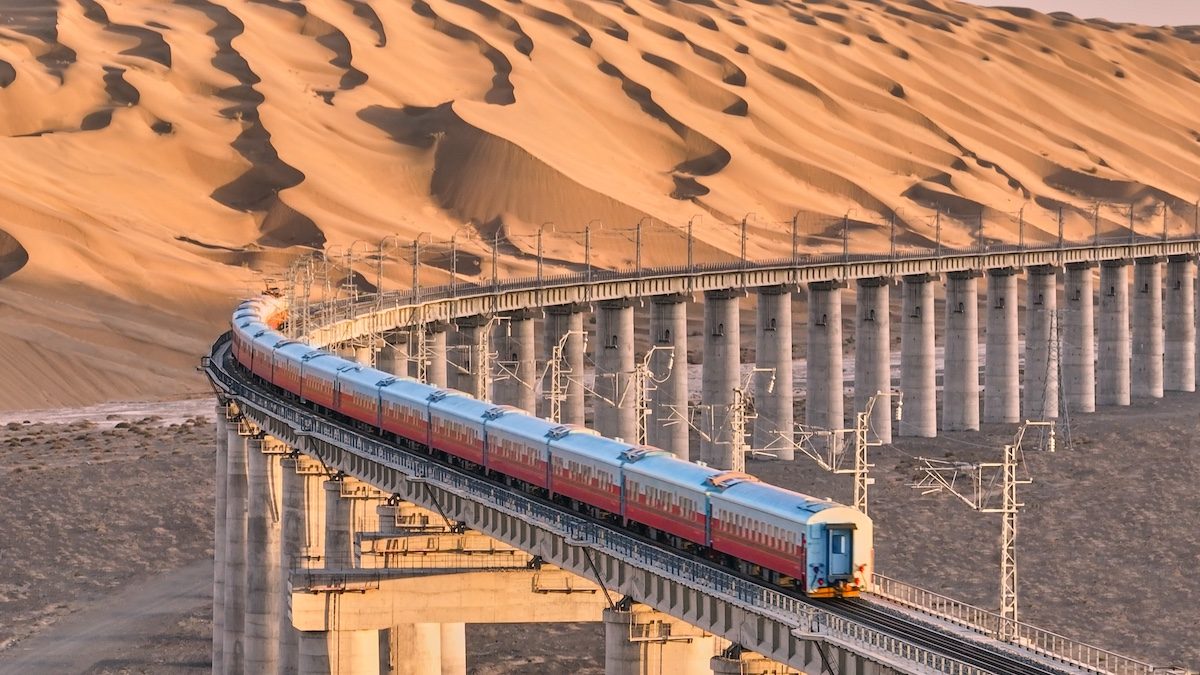
The Silk Road Train Tour in China is not a normal train trip. It is a luxury travel experience that takes you through famous Silk Road regions like Xinjiang, Dunhuang, and other historic cities. This journey mixes comfort, culture, scenery, and guided tours into one smooth trip.
In this guide, you will learn what the Silk Road Train Tour is really like. We will explain the routes, cabins, food, services, and daily life on the train. This will help you decide if this unique train tour in China is right for you.
What Is the Silk Road Train Tour in China?
The Silk Road Train Tour in China is a luxury travel experience on a special tourist train called the Silk Road Express. It is not a regular public train. It is a private train made for travelers who want comfort, culture, and scenic views.
This tour follows parts of the ancient Silk Road. Long ago, traders used this route to move silk, spices, and goods between China and other countries. Today, the train takes tourists through the same regions to explore history, nature, and local culture.
The train is designed like a moving hotel. It has private cabins, dining cars, lounge areas, and viewing cars. Guests sleep on the train at night and go on guided tours during the day. Everything is planned in advance, so travelers do not need to book hotels, transport, or local guides.
The Silk Road Express is operated under the Train of Glamour brand. It offers high-end service, fine dining, and onboard entertainment. Staff are available all day to help guests and make the trip smooth and comfortable.
This tour is best for people who enjoy slow travel, cultural experiences, and luxury train journeys.
Where Does the Silk Road Train Travel?
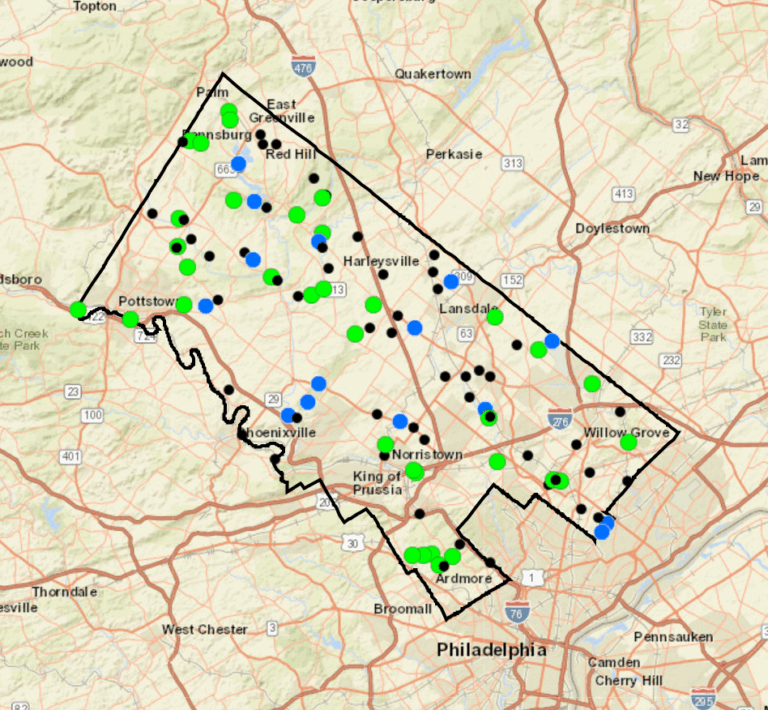
The Silk Road Train Tour travels through western and northwestern parts of China. These areas are famous for deserts, mountains, oasis towns, and old Silk Road cities.
Main Route Regions
The train usually passes through regions such as:
- Xinjiang
- Dunhuang
- Xining
- Other historic Silk Road cities
Xinjiang is known for wide deserts, snowy mountains, and local ethnic culture. Dunhuang is famous for the Mogao Caves and ancient trade history. Xining is a gateway to the Tibetan Plateau and Silk Road routes.
Sample Itineraries You May See
Different routes are offered in different years and seasons. Some common route names include:
- Northern and Southern Xinjiang
- Xining to Dunhuang
- Middle Route of the Silk Road
- West of the Yangguan Pass
Each route focuses on different landscapes and cultural stops. Some trips are shorter, while others last more than two weeks.
Do Routes Change Every Year?
Yes. The Silk Road Train routes change by year and season. New routes are added, and some older routes are removed. For example, new routes are planned for 2026, while 2025 routes are listed separately.
This means travelers should always check the latest route list before booking. The exact cities, dates, and trip length can change from one year to another.
What the Train Is Like Inside
The Silk Road Express is designed to feel like a small luxury hotel on wheels. The inside of the train is modern, clean, and comfortable. It is built for slow, scenic travel and relaxed living.
Lounge and Social Areas
The train has a lounge car where guests can sit, talk, read, or enjoy drinks. This is a social space where travelers meet other guests and relax during the day.
There is also a multi-function observation car. It has large windows for wide views of deserts, mountains, and open land. During the day, people use it for sightseeing and relaxing. At night, it can turn into a small entertainment space.
Viewing and Entertainment Cars
The observation car is one of the main highlights. It is made for watching the scenery. You can sit comfortably and enjoy long views without standing or moving between cars.
At night, this car can be used for movie time or small shows. A screen is used for entertainment. It creates a calm and friendly evening atmosphere.
Dining Cars
The train has two dining cars:
- One Chinese-style dining car
- One Western-style dining car
Meals are served in a restaurant setting. Guests sit at tables and are served by staff. The dining cars are designed to be quiet, clean, and comfortable.
Cabin Types and Room Experience
All guests stay in private cabins. These are your personal rooms during the journey. Each cabin is air-conditioned and designed for comfort and privacy.
Grand Suite
The Grand Suite is the largest cabin type. It has more space than other rooms and a luxury bathroom.
This room is best for couples who want extra comfort and privacy. It has a large bed, seating space, and more storage.
King Room
The King Room has one large bed. It is good for solo travelers or couples who want a simple but comfortable space.
It has a private bathroom, storage space, and basic furniture.
Twin Room
The Twin Room has two separate beds. It is good for friends or family members traveling together.
Each guest gets their own bed, and the room has a shared bathroom.
Family Room
The Family Room is made for parents and children. It has a layout that fits more people in one cabin.
This room type is good for families who want to stay together.
What Amenities Are Included
The Silk Road Express offers many comfort items to make the trip easy and relaxing. These amenities are included in your cabin and shared areas.
Each cabin usually includes:
- Soft beds and clean bedding
- Towels and bathrobes
- Toiletries such as shampoo, soap, and body wash
- Hair dryer
- Storage space for luggage
- Power outlets for charging devices
- Air conditioning
- Daily cabin cleaning
Some cabins also include luxury brand items and premium bathroom fittings.
Shared spaces on the train also have seating areas, restrooms, and service counters for drinks and snacks.
Wi-Fi may be available on some routes, but the signal can be weak in desert and remote areas. Travelers should not depend on the internet during the whole trip.
Food and Dining Experience Onboard
Food is an important part of the Silk Road Train Tour. Meals are served in the dining cars in a restaurant-style setting.
Meal Style
Most meals are included in the tour package. Food is served at fixed times, similar to a cruise ship.
Guests can enjoy both Chinese and Western dishes. Menus change often and use fresh local ingredients from the regions the train passes through.
Breakfast, lunch, and dinner are usually provided. Snacks may also be available between meals.
Drinks and Snacks
The train offers a range of drinks, including:
- Tea
- Coffee
- Soft drinks
- Juice
- Alcoholic drinks
Some drinks may be included, while premium drinks may cost extra.
Special Diet Requests
Guests with special food needs can request:
- Vegetarian meals
- Halal meals
- Allergy-friendly meals
It is important to inform the tour operator about special diet needs before the trip starts.
Entertainment and Activities On the Train
The Silk Road Express is not just for sleeping and eating. There are many ways to relax and enjoy your time onboard.
The train has a tea room where guests can sit, talk, and enjoy Chinese tea. This is a calm space for quiet time and small conversations.
There is also a KTV room. This is a private karaoke room where guests can sing songs and have fun with friends or family. It is usually available by reservation.
Some trains have an automatic mahjong room. Guests can play mahjong, a traditional Chinese game, during free time.
A cigar bar is also available on some routes. This is a quiet space for guests who enjoy cigars and drinks. Reservation may be needed.
At night, the observation car may be used for movie time or small shows. Guests can watch films, listen to music, or join light social events.
These activities make the long journey more enjoyable and help guests relax between sightseeing stops.
Service Level and Staff Support
The Silk Road Train Tour offers a high level of service. Staff are available all day to help guests.
There is a 24/7 concierge service. Guests can ask for help with cabin needs, food requests, or general questions.
Tourism ambassadors travel with the guests. They guide people during city stops and explain local history and culture. They also help with schedules and group movement.
Staff members help with luggage, cabin cleaning, and meal service. Cabins are cleaned daily to keep them fresh and comfortable.
Language support is usually available. Staff can speak basic English and Chinese. This helps international travelers feel more comfortable.
The service style is similar to a luxury cruise. Everything is planned in advance, and guests do not need to worry about daily logistics.
What Happens Off the Train
The Silk Road Train Tour is not only about the train. Guests also go on guided tours during stops.
At each major stop, the train parks at a station. Guests leave the train and join group tours. These tours are included in the package.
Activities off the train may include:
- Visiting historic Silk Road cities
- Exploring ancient caves and temples
- Walking in old towns and markets
- Watching cultural shows
- Tasting local food
- Visiting deserts, lakes, and scenic areas
Professional guides lead these tours. They explain the history, culture, and local life of each place.
Transport, tickets, and guides are arranged in advance. Guests do not need to plan anything.
After the tours, guests return to the train. The train then moves to the next destination during the night or early morning.
This mix of train travel and city tours makes the trip balanced and interesting.
How Long Is the Silk Road Train Tour?
The length of the Silk Road Train Tour depends on the route.
Some routes are short and last about 7 to 10 days. These focus on a few cities and nearby attractions.
Other routes are longer and last about 14 to 17 days. These include more regions, longer distances, and more sightseeing stops.
Each day usually includes:
- Morning train travel or arrival at a city
- Daytime guided tours
- Evening return to the train
- Overnight travel to the next stop
The travel pace is slow and relaxed. Guests are not rushed from place to place.
Trip length can change every year. New routes may be shorter or longer.
Travelers should always check the exact number of days and nights for their chosen route before booking.
Best Time to Take the Silk Road Train Tour
The best time to take the Silk Road Train Tour is from spring to autumn. Weather and comfort change by season.
Spring (April to May)
Spring has mild weather and clear skies. It is a good time for sightseeing and outdoor tours. Flowers and green land make the scenery more beautiful.
Summer (June to August)
Summer is warm, especially in desert areas like Xinjiang and Dunhuang. Days are long, and views are bright. It is good for photography, but it can be hot during daytime tours.
Autumn (September to October)
Autumn is one of the best seasons. The weather is cool and comfortable. Skies are clear, and desert colors look rich and golden. Many routes are planned for this season.
Winter (November to March)
Winter is cold in western China. Some routes do not run in winter. Snow can make travel slow. Only a few special winter routes may be available.
Most Silk Road Train routes run between April and October. Travelers should check route dates before booking.
Who Should Take This Tour
The Silk Road Train Tour is best for travelers who enjoy comfort, culture, and slow travel.
This tour is good for:
- Luxury travelers who want high comfort
- People who enjoy cultural history
- Travelers who like guided tours
- Seniors who prefer easy travel
- Couples who want a romantic journey
- Families who want a safe and organized trip
This tour is good for people who do not want to plan hotels, transport, or local tours. Everything is arranged in one package.
It is also good for travelers who enjoy scenic views and relaxed schedules.
Who Should Not Take This Tour
The Silk Road Train Tour is not for everyone.
This tour may not be a good choice for:
- Budget travelers who want cheap trips
- People who prefer fast travel
- Travelers who like full freedom and no group tours
- People who get motion sickness easily
- Travelers who do not enjoy long train rides
- People who dislike fixed schedules
This tour follows a set plan. You cannot change routes, stops, or daily timing.
It is also not ideal for people who want nightlife, shopping malls, or busy city life.
What to Pack for the Trip
Packing well will make your Silk Road Train Tour more comfortable.
Here are basic items you should bring:
Clothes
- Light clothes for daytime
- Warm jacket for evenings
- Comfortable walking shoes
- Hat and sunglasses
Personal Items
- Medicines
- Toiletries (extra, if needed)
- Sunscreen
- Lip balm
Travel Essentials
- Passport and visa
- Travel insurance papers
- Copies of important documents
- Phone and charger
- Power adapter
Other Useful Items
- Camera
- Small backpack
- Snacks
- Reusable water bottle
Weather changes by region. Bring layers.
Desert areas can be hot during the day and cold at night.
Conclusion
The Silk Road Train Tour in China is a unique luxury travel experience. It is not a normal train trip. It is a moving hotel that takes you through historic Silk Road regions like Xinjiang, Dunhuang, and Xining.
This tour mixes comfort, culture, scenery, and guided tours in one package. You sleep in private cabins, eat in dining cars, relax in lounge areas, and join city tours during stops.
Everything is planned for you. You do not need to book hotels, transport, or local guides. Staff are available all day to help.
This journey is best for travelers who enjoy slow travel, cultural history, and high comfort. It is not for budget travelers or people who want fast trips and full freedom.
If you want a peaceful, luxury way to explore the Silk Road, this train tour is worth considering.