Peru is often associated with fast-moving itineraries packed with bucket-list attractions, overnight buses, and rushed visits to famous landmarks. While there’s nothing wrong with seeing as much as possible, slow travel offers a more meaningful way to experience this dynamic country.
Instead of racing from one destination to another, slow travel encourages deeper cultural connections, flexible schedules, and moments of appreciation that many tourists miss. Here’s how to experience Peru like a slow traveler and create memories that feel authentic rather than hurried.
Spend More Time in Fewer Places
One of the biggest mistakes travelers make when visiting this beautiful country is trying to fit everything into a short itinerary. Lima, Cusco, Arequipa, Lake Titicaca, and Machu Picchu all deserve time, but visiting too many destinations quickly can become exhausting.
Slow travel begins by choosing fewer stops and staying longer in each location. For instance, instead of staying only one night in Cusco, consider staying for several days. This allows your body to adjust to the altitude while giving you time to explore local cafes, markets, and neighborhoods beyond the main tourist areas.
The same approach works in smaller towns throughout Peru. Staying longer creates opportunities to notice daily life, interact with locals, and discover hidden spots that guidebooks rarely mention.
Embrace Local Transportation
Traveling slowly also means appreciating the journey itself. From coastal deserts to towering mountains and lush valleys, Peru’s landscapes are incredibly diverse. Rather than constantly flying between cities, consider taking trains or buses for at least part of your journey.
The train ride toward Machu Picchu is one of the most scenic travel experiences in South America. Watching the Andes unfold outside your window creates a stronger connection to the landscape than simply arriving by plane.
Many travelers rush through the experience, but slow travelers often spend time exploring the surrounding town after arriving at Aguas Calientes train station before continuing onward to the famous ruins. Pausing to enjoy these transitional moments can make the trip feel richer and less transactional.
Connect With Local Culture
Peru’s culture is layered with Indigenous traditions, colonial history, art, music, and regional cuisine. Slow travel gives you time to engage with these experiences more naturally.
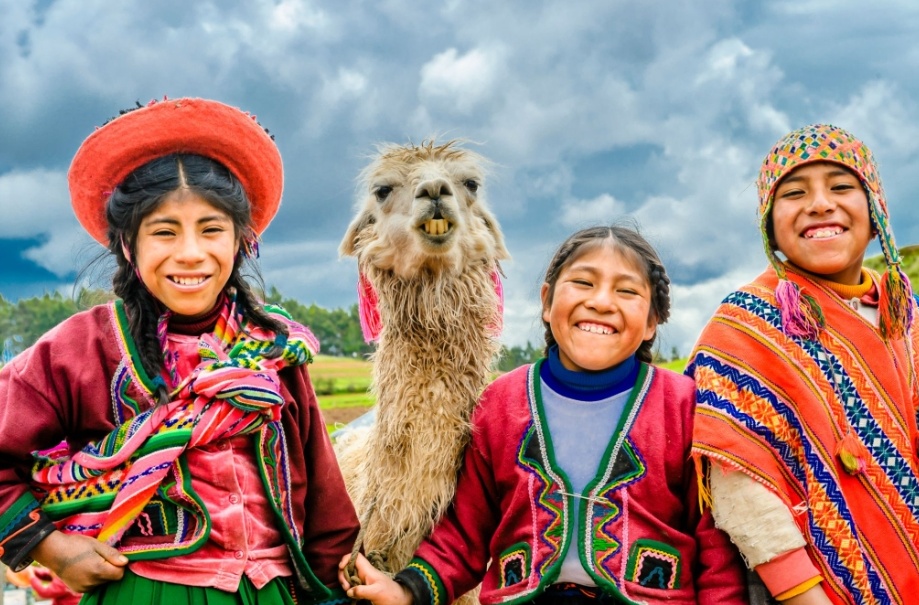
Instead of booking every meal at tourist restaurants, try eating where locals gather. Visit neighborhood markets and ask vendors about regional ingredients. Take part in a cooking class or learn about traditional weaving in the Sacred Valley. Even simple conversations with local residents can add depth to your understanding of the country.
Language also becomes part of the experience. Learning a few basic Spanish phrases can make interactions warmer and more rewarding. Peruvians are often welcoming toward travelers who make an effort to communicate respectfully.
Leave Space for Spontaneity
Slow travel isn’t only about moving slowly physically; it’s also about traveling with flexibility. Some of the best travel memories come from unplanned experiences.
You may discover a local festival in a small town, stumble upon a quiet cafe with mountain views, or spend an afternoon talking with fellow travelers. When every hour of an itinerary is tightly scheduled, there’s little room for these meaningful moments.
Allowing extra time between destinations reduces stress and helps you experience Peru more naturally. Instead of focusing only on checking landmarks off a list, you begin to appreciate the rhythm of daily life around you.
Endnote
Experiencing Peru like a slow traveler transforms the journey into something more personal and memorable. Rather than rushing through attractions, you begin to appreciate the details that make this beautiful country unique. Peru is a country best experienced with curiosity, patience, and enough time to truly absorb its beauty.