
Making the right decision—whether in business, technology, or personal investments—requires careful consideration of all the benefits before moving forward. In today’s competitive environment, decisions are rarely made on instinct alone. Instead, they rely on data, research, and clear insights into the advantages of one choice over another. This article explores the top benefits you should know before making a decision, helping you navigate complex options with confidence.
Informed Choices Lead to Better Outcomes
The first and most obvious benefit of weighing your options carefully is improved outcomes. When decisions are supported by solid research, they are less likely to result in costly mistakes. For businesses, this means reduced financial risk, stronger performance, and higher customer satisfaction. For individuals, it can mean better career moves, smarter purchases, and improved personal growth.
Taking time to analyze all aspects of a decision ensures you’re not rushing into a commitment that you may regret later.
Reduced Risk Through Evaluation
Every decision carries some level of risk. However, evaluating the benefits before deciding allows you to reduce those risks significantly. For example, companies implementing new technology systems often evaluate not only the direct benefits but also the potential challenges, such as training requirements and compatibility with existing infrastructure.
This approach prevents unexpected problems down the road and helps ensure a smoother transition.
Consistency in Results
One of the most important modern business practices is maintaining Inter-Instrument Agreement and Inter-Model Agreement, especially in industries that rely on measurement tools and quality control.
- Inter-Instrument Agreement ensures that results from different instruments of the same model remain consistent. This is critical for companies using multiple devices across locations because it guarantees reliability no matter where the measurement is taken.
- Inter-Model Agreement ensures consistency even when different models of instruments are used. This is particularly beneficial for global organizations that update their technology over time but still require comparable results across product lines.
By focusing on these agreements before making decisions about equipment purchases, businesses benefit from accurate, reproducible data—something that directly impacts quality assurance and customer trust.
Inter-instrument agreement is not simply a technical aspect–it is the basis of trustworthy measurements in any industry whose business relies on accuracy. Regardless of whether the products are textiles, plastics, automotive, or pharmaceuticals, the consistency of the results using various instruments will aid in the maintenance of the quality of products, performance, and satisfaction of the consumer.
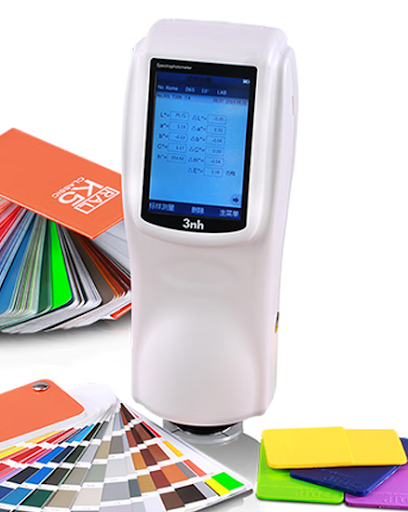
Perfect agreement is difficult to achieve; however, calibration, reference standards, software tools, and the suitable selection of instruments can help companies to enhance the results. 3NH offers highly developed spectrophotometers with good inter-instrument agreement.
Increased Efficiency and Productivity
Another clear benefit of evaluating your options is the ability to boost efficiency. The right decision eliminates redundancies and streamlines workflows. For instance, choosing the right project management tool or adopting a measurement system that offers strong Inter-Instrument Agreement saves time by reducing errors and avoiding repeated calibrations.
Increased efficiency also improves productivity, allowing teams to focus more on innovation and less on problem-solving.
Cost Savings Over the Long Term
When you carefully assess benefits before making a decision, cost savings often follow. Short-term gains may seem attractive, but long-term sustainability matters most. By choosing solutions that offer durability, accuracy, and strong inter-device consistency (such as those ensuring Inter-Model Agreement), businesses save on maintenance, replacement, and labor costs.
Smart decision-making protects your budget from unexpected expenses and ensures that every dollar spent contributes to value creation.
Better Customer Satisfaction
Ultimately, every decision impacts customers. A company that invests in reliable tools and technologies is able to deliver higher-quality products and services. Consistency—made possible by agreements like Inter-Instrument Agreement—directly translates to customer trust.
When customers receive mim metal products that meet their expectations every single time, loyalty strengthens, and positive word-of-mouth grows. In a crowded marketplace, this can become a major competitive advantage.
Adaptability to Changing Environments
Modern markets evolve quickly. Businesses that take time to understand the benefits of each choice are better equipped to adapt when trends shift. For example, if your company uses instruments that adhere to Inter-Model Agreement, you can upgrade to new devices without worrying about data discrepancies. This adaptability allows organizations to embrace innovation without disrupting daily operations.
Adaptability is also a personal advantage. When individuals weigh benefits carefully before deciding, they remain flexible and resilient when facing unexpected changes.
Strengthened Strategic Planning
Another benefit of thoughtful decision-making is stronger alignment with long-term goals. Rather than reacting to short-term challenges, businesses and individuals can make choices that support their overall vision.
For instance, a company committed to global expansion must consider whether its tools and systems maintain consistency worldwide. Agreements like Inter-Instrument Agreement and Inter-Model Agreement ensure data reliability across markets, making it easier to scale operations without compromising on quality.
Enhanced Confidence in Choices
Finally, evaluating benefits before making a decision boosts confidence. When you know you’ve considered all aspects—cost, efficiency, adaptability, consistency, and customer impact—you can move forward with clarity. This confidence not only reduces stress but also inspires trust among stakeholders, employees, and customers.
Confident decisions often lead to better performance and a stronger commitment to execution.
Final Thoughts
Every decision, big or small, comes with consequences. By focusing on the benefits before committing, you minimize risks, improve efficiency, and set yourself up for long-term success. For businesses, prioritizing consistency through practices like Inter-Instrument Agreement and Inter-Model Agreement ensures accuracy, quality, and customer trust across all operations.
Whether you’re choosing a new tool, adopting technology, or making a personal life decision, the key is clear: understand the benefits fully, and the right choice will naturally follow.