
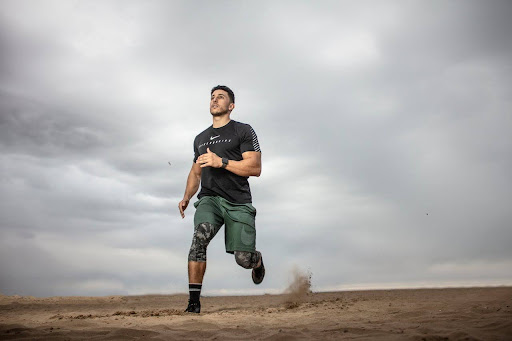
After crushing that intense workout, you might think the hard work is done. But here’s something that might surprise you: the position you sleep in tonight could be the difference between waking up refreshed and ready for another training session, or feeling stiff, sore, and wondering why your recovery seems to take forever.
Sleep isn’t just about closing your eyes and hoping for the best. It’s a complex biological process where your body performs some of its most important repair work, and the way you position yourself during these crucial hours can either accelerate or hinder your muscle recovery journey.
The Science Behind Sleep and Muscle Recovery
When you drift off to sleep, your body doesn’t just shut down; it shifts into repair mode. During deep sleep stages, your body releases growth hormone, which plays a starring role in muscle protein synthesis. This is when damaged muscle fibers get rebuilt stronger than before.
Your sleep position has a direct impact on blood circulation, spinal alignment, and the quality of your sleep cycles. Poor positioning can restrict blood flow to recovering muscles, create unnecessary tension in already worked muscle groups, and prevent you from reaching those deeper sleep stages where the real magic happens.
Think of your sleep position as an extension of your recovery protocol. Just as you wouldn’t skip your post-workout nutrition, optimizing your sleep deserves the same attention.
How Sleep Positions Affect Blood Flow
Blood circulation during sleep is like a highway system delivering essential nutrients and oxygen to your recovering muscles while removing metabolic waste products like lactic acid. When you sleep in positions that compress blood vessels or create awkward angles, you’re creating traffic jams in this crucial delivery system.
After interviewing Mena from FIT4IT, a fitness training company in Dubai, we learned that different sleep positions create varying levels of pressure on blood vessels and organs. Sleeping on your stomach can compress major veins, potentially reducing the efficiency of nutrient delivery to your muscles. Certain positions can enhance circulation by allowing gravity to assist blood flow.
Better blood flow also means more efficient removal of inflammatory markers and faster delivery of anti-inflammatory compounds your body naturally produces during recovery.
Back Sleeping
Sleeping on your back is often considered the gold standard for muscle recovery. This position allows your spine to maintain its natural curves, distributing your body weight evenly across the mattress and reducing pressure points that could interfere with circulation.
When you sleep on your back, your arms and legs can rest in neutral positions, preventing unnecessary strain on joints and muscles that might already be recovering from your workout. This position also promotes optimal breathing, ensuring your muscles receive adequate oxygen throughout the night.

Back sleeping prevents the compression of major blood vessels, allowing for unrestricted circulation to all muscle groups. This means nutrients and hormones essential for recovery can reach their destinations more efficiently.
However, people with sleep apnea or chronic snoring might find this position worsens their breathing issues, which could negatively impact sleep quality and recovery.
Side Sleeping
Side sleeping is the most common sleep position, and it can be excellent for muscle recovery when done correctly. Sleeping on your left side has unique benefits because it reduces pressure on major veins, allowing blood to flow more freely back to your heart.
Side sleeping also helps maintain spinal alignment when proper pillow support is used. A pillow between your knees can prevent your top leg from pulling your spine out of alignment, reducing strain on your lower back and hip muscles.
For athletes who’ve had intense upper body workouts, side sleeping allows the shoulder and arm muscles to rest in a more natural position. However, avoid sleeping on the side that received the most intense training, as this could compress already tender muscles.
The main consideration with side sleeping is ensuring proper support. Without adequate pillow placement, this position can create imbalances that strain certain muscle groups while they’re trying to recover.
Stomach Sleeping
While some people find stomach sleeping comfortable, it’s generally not the best choice for optimal muscle recovery. This position creates several challenges that interfere with your body’s natural repair processes.
Stomach sleeping typically requires turning your head to one side for extended periods, creating tension in your neck and upper shoulder muscles. If you’ve done upper body training, this added stress can slow recovery for these muscle groups.
The position also flattens the natural curve of your lower back, potentially creating compression in your lumbar spine and surrounding muscles. From a circulation standpoint, stomach sleeping can compress blood vessels and restrict breathing, meaning your muscles might not receive optimal oxygen levels.
Optimizing Your Sleep Environment
Your sleep position is just one piece of the recovery puzzle. Temperature plays a crucial role in sleep recovery. Your body naturally drops its core temperature as you fall asleep, and maintaining a cool environment around 65-68°F can promote deeper sleep stages where growth hormone release is maximized.
Your mattress and pillow choices should support your preferred sleep position while maintaining proper alignment. A mattress that’s too soft might not provide adequate support, while one that’s too firm could create pressure points that interfere with circulation.
Complete darkness helps maintain your natural circadian rhythm and promotes melatonin release, which has antioxidant properties that aid muscle recovery.
Creating Your Recovery Strategy
Developing an effective sleep recovery strategy requires attention to how your body responds to different positions. Keep a simple sleep log for a week, noting which position you fell asleep in, how you felt when you woke up, and how your muscles felt during your next workout.
Consider your training schedule when planning your sleep position. If you have an intense upper body workout planned, sleeping on your back the night before ensures your shoulders and arms are as relaxed as possible.
Remember that consistency matters. While it’s normal to change positions during sleep, starting with good positioning gives your body the best chance for optimal recovery.
Final Words
The connection between sleep position and muscle recovery is more significant than most people realize. Understanding how different positions affect circulation, spinal alignment, and sleep quality can help you make informed choices for optimal recovery.
Quality sleep in a supportive position isn’t just about feeling better the next day; it’s an investment in your long-term performance and ability to maintain an active lifestyle. Your bed isn’t just a place to rest; it’s where the real work of muscle building and recovery happens.