
Introduction to Oil Extraction Methods;
When it comes to extracting oil from seeds, nuts, or fruits, the method you choose can have a significant impact on both quality and yield. With various techniques available, each with its advantages and drawbacks, selecting the right one might seem daunting. Whether you’re an aspiring home chef wanting the freshest ingredients or an entrepreneur looking to start your own oil business, understanding these extraction methods is crucial.
From hydraulic presses that use pressure to extract oil efficiently to cold pressing that preserves flavor and nutrients, every technique has its unique characteristics. So how do you decide which method best suits your needs? Dive into this guide as we explore popular oil extraction methods—hydraulic, screw, hot press, and cold press—to help you navigate through your options and make informed choices for your culinary adventures or business endeavors.
Hydraulic Oil Press: How it Works and Pros/Cons
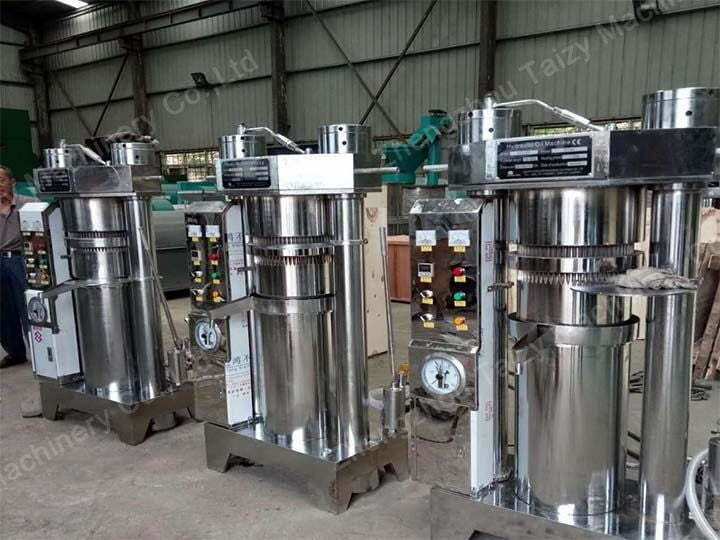
The hydraulic oil press functions through a straightforward yet powerful mechanism. It uses high pressure to extract oil from seeds or nuts. The process begins by placing the raw material in a chamber, where hydraulic force compresses it. This pressure pushes the oil out, separating it from the solid residue. Our company offers both Hot Press or Cold Press Oil Machines to meet the diverse needs of small and large-scale oil producers.
One significant advantage of this method is its ability to produce high-quality oil. The gentle extraction helps retain nutrients and flavor, making it ideal for gourmet oils. However, there are downsides to consider. Hydraulic presses can be more expensive than other options due to their complex design and maintenance needs. They also tend to have lower processing speeds, which may not suit large-scale operations well.
Despite these limitations, many choose hydraulic pressing for its quality output and efficiency in small batches.
Screw Oil Press: How it Works and Pros/Cons
The screw oil press is a popular choice for extracting oil from seeds and nuts. It employs a rotating screw mechanism that crushes the material, releasing the oil trapped inside. As the feed enters, it gets pushed through a chamber where heat and pressure build up. This combination helps to extract maximum oil efficiently. One of its main advantages is efficiency. A screw press can produce high yields with less energy compared to other methods. It’s also relatively easy to operate and maintain, making it suitable for small-scale production.
On the downside, temperatures can rise during extraction, which may affect the quality of certain oils. Additionally, while it’s versatile, some oily seeds might require pre-treatment before pressing for optimal results.
Hot Press Method: How it Works and Pros/Cons
The hot press method involves heating seeds before extraction. This process enhances oil yield by softening the material, making it easier to extract oils. Heat is applied through steam or direct contact with heated surfaces, which can also help eliminate some impurities.
One significant advantage of this method is its efficiency. The heat allows for a higher extraction rate compared to cold pressing. This means more oil from less raw material, which can be economically beneficial. However, there are downsides to consider. The application of heat can degrade some sensitive nutrients and alter flavor profiles in the extracted oil. Additionally, the quality might not match that of cold-pressed oils known for their natural taste and health benefits.
It’s essential to weigh these factors when considering if the hot press method aligns with your needs and values regarding oil quality.
Cold Press Method: How it Works and Pros/Cons
The cold press method is a popular technique for extracting oil from seeds and nuts without applying heat. This process helps retain the oil’s natural flavor, aroma, and nutritional properties. In this method, raw materials are placed in a hydraulic press or screw press at low temperatures. The pressure applied forces the oil out while keeping vital compounds intact.
One major advantage of cold pressing is the preservation of antioxidants and essential fatty acids. This results in high-quality oils that are rich in nutrients. However, it does come with some drawbacks. Cold-pressed oils tend to have lower yields compared to other methods because no external heat aids extraction. Additionally, they require more time and may be costlier due to specialized equipment.
Choosing this method can yield superior taste but might not always fit budget constraints or production efficiency needs.
Choosing the Best Method for Your Needs;
Selecting the ideal oil extraction method hinges on several key factors. First, consider the type of oilseed or nut you plan to process. Different materials yield varying results depending on the technique used. When comparing Hydraulic oil press vs Screw oil press, factors like efficiency, oil yield, and maintenance requirements play a key role.
Next, assess your production scale. Are you a small-scale artisan or a larger commercial operation? Your output requirements will influence whether hydraulic, screw, hot press, or cold press is best suited for your needs.Cost also plays a crucial role in decision-making. Some methods require greater initial investment while others may offer more affordable options but could compromise quality.
Think about flavor and nutrient retention as well. Cold pressing preserves essential nutrients better than hot pressing but might not suit every application. Lastly, evaluate your operational preferences regarding maintenance and ease of use. Finding the right balance can make all the difference in achieving quality oil efficiently.
Factors to Consider When Choosing an Oil Extraction Method;
When selecting an oil extraction method, start by considering the type of raw material. Different seeds or nuts yield varying results with each method. There are several factors to consider when choosing the best oil extraction method for your needs. Each method has its own advantages and disadvantages, so it’s important to weigh these factors before making a decision.
- Type of Oil: The first factor to consider is the type of oil you want to extract. Certain methods are more suitable for specific types of oils. For example, cold press methods are better suited for extracting delicate oils like olive or avocado oil, while hot press methods are more effective for harder seeds like coconut or palm.
- Quality: Another important factor is the quality of the final product. Cold press methods tend to produce a higher quality oil as they preserve more nutrients and enzymes during the extraction process compared to hot press methods, which use high heat that can degrade some of the beneficial compounds in the oil.
- Efficiency: Different extraction methods vary in their efficiency and yield rates. For larger-scale production, hydraulic or screw presses may be more efficient compared to smaller scale cold press methods which require manual labor and have lower yield rates.
- Cost: The cost of equipment and operational expenses should also be taken into consideration when choosing an extraction method. Hydraulic presses can be expensive but have a high yield rate, while cold press methods may have lower upfront costs but require continual maintenance and labor costs.
- Extraction Time: Some oils need to be extracted quickly, while others can take longer without affecting their quality or shelf life. Hot press methods typically have shorter extraction times compared to cold press ones which require soaking or pressing multiple times over several hours.
When choosing the best oil extraction method for your needs, it’s essential to consider factors such as the type of oil, quality, efficiency, cost, extraction time, shelf life, and environmental impact. Carefully weighing these factors will help you make an informed decision and choose a method that is most suitable for your specific requirements.
Conclusion;
Choosing the right oil extraction method can significantly impact both the quality of the oil produced and the efficiency of your operation. Each method has its unique advantages and drawbacks, making it essential to carefully evaluate which is best suited for your needs.
Hydraulic presses offer high-quality extraction but come with a higher cost and lower volume output. Screw presses are versatile and more efficient but may not yield as pure an oil as hydraulic methods. Hot pressing provides quicker results but can degrade some nutrients. Cold pressing retains flavor and nutrients, yet requires careful handling to maximize yield. When selecting an extraction method, consider your budget, desired oil quality, production scale, and specific use cases. By weighing these factors against each technique’s pros and cons, you’ll be better equipped to make an informed decision that aligns with your goals.
Ultimately, understanding these various techniques will empower you to choose wisely in your quest for optimal oil extraction!