
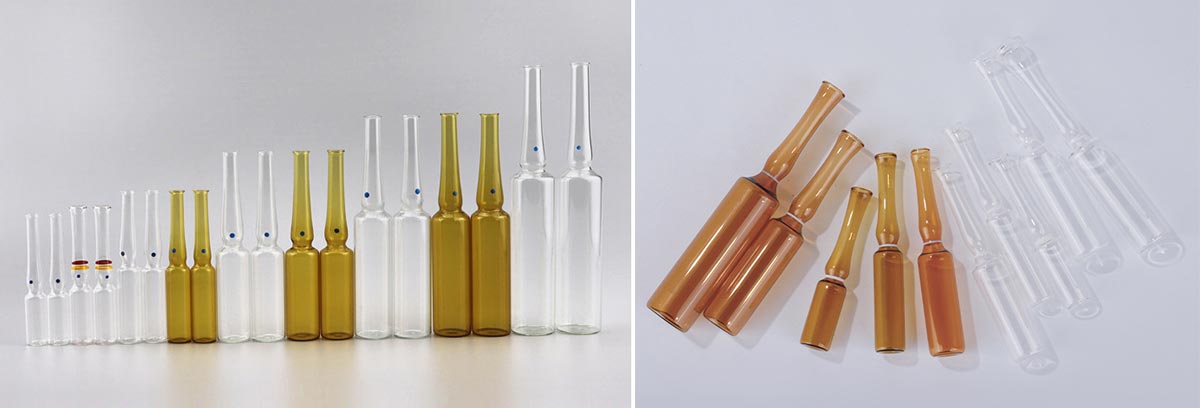
In the pharmaceutical and chemical packaging world, glass ampoules remain a gold standard for storing and delivering sterile liquid medications. These sealed glass containers offer unmatched protection against contamination, oxidation, and light degradation—making them vital in hospitals, laboratories, and pharmaceutical manufacturing. Behind the precision and consistency of every ampoule lies a specialized piece of equipment: the glass ampoule making machine.
This blog dives deep into the workings of a glass ampoule making machine, the manufacturing process, various machine types, and how they power global pharmaceutical supply chains.
What Is a Glass Ampoule?
A glass ampoule is a small, sealed vial used to contain and preserve a sample, typically a liquid or injectable pharmaceutical. Ampoules are made from neutral borosilicate or soda-lime glass and are hermetically sealed to ensure sterility and chemical stability.
Common sizes range from 1 ml to 25 ml, although custom sizes exist. Ampoules are usually opened by snapping the neck after scoring it, which allows easy and sterile access to the contents.
Introduction to Glass Ampoule Making Machines
A glass ampoule making machine is a highly specialized machine used to manufacture these containers with precision and high throughput. The equipment transforms tubular glass into uniformly shaped ampoules through a series of heat-forming, cutting, and annealing processes.
These machines are critical in pharmaceutical production environments where ampoule uniformity, integrity, and cleanliness are non-negotiable.
Key Components of a Glass Ampoule Making Machine
- Glass Tube Feeding System: Long glass tubes (usually 1.5–2 meters) are fed into the machine either manually or via an automatic loader.
- Rotating Chuck or Spindle: The glass tubes are held and rotated during the heating and forming processes. This ensures uniform heat distribution and symmetrical shaping.
- Gas Burner Station: Multiple gas burners, often using a mixture of propane and oxygen, heat specific sections of the glass tube to make them malleable.
- Forming Tools: Precision tools shape the base, neck, and top of the ampoule. These tools vary according to the ampoule type (straight-stem, funnel, closed, etc.).
- Cutting Station: A hot or cold cutting mechanism trims the ampoule to the desired length and opens the top if required.
- Annealing Oven (Lehr): The formed ampoules pass through an annealing oven to relieve internal stress from rapid cooling, ensuring better durability and reduced breakage.
- Discharge and Collection System: Finished ampoules are automatically counted, sorted, and stacked for inspection or packaging.
Types of Ampoules Produced
Glass ampoule making machines can be configured to produce different ampoule styles:
- Straight Stem Ampoule: Cylindrical body with a straight neck; commonly used in Europe and Asia.
- Funnel Type Ampoule: Wide-neck opening; easier to fill.
- Closed Ampoule: Completely sealed at both ends for high-sterility storage.
- Ball Type or Curved Ampoule: Often used in cosmetics or specialty pharmaceuticals.
Machines can be customized or adjusted with interchangeable forming tools for flexibility.
Manufacturing Process: Step-by-Step
Here’s a simplified overview of how a glass ampoule making machine works:
- Tube Loading and Feeding
Glass tubes are loaded into the machine and aligned for consistent processing.
- Heating the Glass
The tube rotates while it passes through focused flames that heat specific zones—bottom, neck, and tip—depending on the desired ampoule shape.
- Forming the Ampoule
Mechanical forming tools press and shape the softened glass into the required profile. Some machines use air pressure to form internal shapes or create specific neck designs.
- Trimming and Cutting
A heated blade or high-speed saw cuts the ampoule to precise length. In open-neck ampoules, a score line may be added to ease breaking during usage.
- Annealing
The ampoules move through a controlled-temperature oven to relieve thermal stress and improve strength.
- Cooling and Collection
After cooling, ampoules are collected via a conveyor or tray system and sent for quality inspection and packaging.
Advantages of Using a Glass Ampoule Making Machine
- High Production Speed: Modern machines can produce thousands of ampoules per hour.
- Dimensional Precision: Automated control ensures consistent wall thickness, length, and neck diameter.
- Clean Operation: Fully enclosed systems reduce contamination risk.
- Automation-Friendly: Machines can integrate with filling, sealing, and inspection lines.
- Customizability: Quick changeover features allow manufacturers to switch between ampoule types with minimal downtime.
Applications of Glass Ampoules
- Pharmaceutical Injections: Antibiotics, vaccines, anesthetics, and vitamins.
- Cosmetics: High-end skincare serums and hair care treatments.
- Laboratory Chemicals: Sensitive reagents that need isolation from air or moisture.
- Veterinary Medicines: Injectable drugs for livestock and pets.
- Perfume Samples: In high-end packaging for marketing or gifting.
Types of Glass Ampoule Making Machines
- Semi-Automatic Machines
- Suitable for small-scale or pilot production.
- Operator intervention needed for feeding and quality checks.
- Lower output, but cost-effective and easy to maintain.
- Fully Automatic Machines
- Ideal for large-scale pharmaceutical factories.
- Include feeding, forming, cutting, annealing, and collection systems.
- Integrated with SCADA or PLC systems for precision and monitoring.
- CNC-Controlled Machines
- Advanced machines with precise servo controls.
- Capable of forming highly specialized or custom ampoule shapes.
Factors to Consider When Buying a Glass Ampoule Making Machine
- Production Capacity: Choose a model that matches your volume requirements.
- Glass Tube Compatibility: Ensure it supports the tube dimensions you use.
- Machine Footprint: Space availability in your facility is crucial.
- Ease of Maintenance: Look for models with modular design and easy-to-replace parts.
- Automation Level: Higher automation reduces labor cost and enhances consistency.
- After-Sales Support: Technical training, spares availability, and remote troubleshooting are essential.
Market Trends and Outlook
The global demand for sterile drug packaging is rising sharply, driven by increasing injectable drug consumption, aging populations, and stricter health regulations. This trend directly boosts the need for reliable glass ampoule making machines.
Emerging markets in Asia, particularly India and China, are investing heavily in pharmaceutical manufacturing infrastructure. At the same time, innovations such as laser scoring, robotic arms, and IoT-enabled machines are shaping the future of ampoule production.
Sustainability is another growing concern. Manufacturers are exploring energy-efficient burners, heat recovery systems, and recyclable glass to reduce environmental impact.
Conclusion
The glass ampoule making machine is a cornerstone of modern pharmaceutical packaging, combining engineering precision with industrial efficiency. From shaping molten glass to delivering flawless, sterile containers ready for life-saving medicines, this machine embodies the marriage of craftsmanship and technology.