
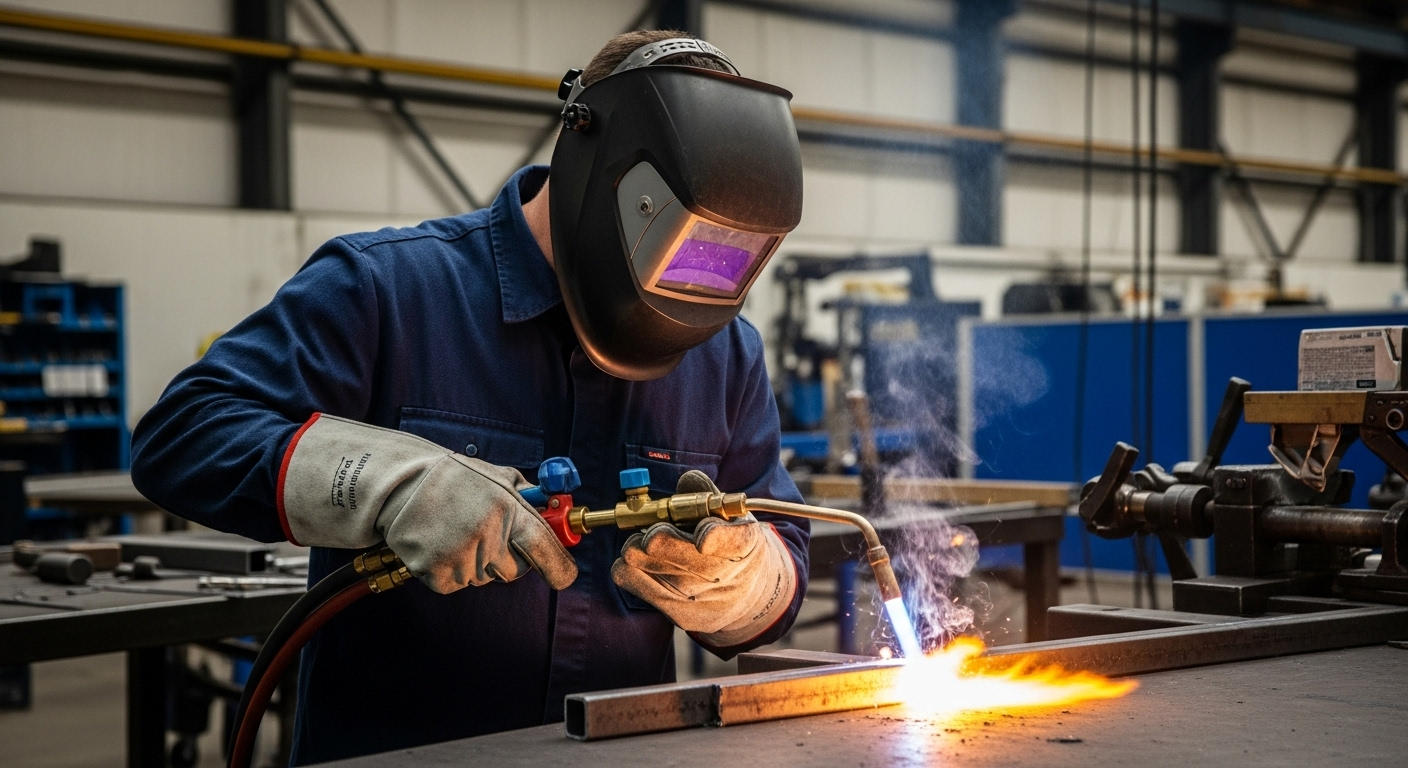
Oxy-acetylene torches are indispensable tools in industries like metal fabrication, automotive repair, plumbing, and welding. These powerful tools provide the heat needed for cutting, welding, brazing, and heating metals. However, due to the intense flame and the presence of highly flammable gases, they must be handled with precision and care.
Understanding proper safety procedures isn’t just recommended—it’s essential. Mishandling oxy-acetylene equipment can lead to flashbacks, gas leaks, fires, explosions, or serious personal injury. In this article, we’ll provide practical safety tips for oxy-acetylene torch operation and offer expert advice to help you protect yourself, others, and your equipment during use.
How Does an Oxy-Acetylene Torch Work?
Before diving into safety measures, it’s important to understand how an oxy-acetylene torch works. The torch mixes oxygen (O₂) and acetylene (C₂H₂) gases to produce a flame hot enough to cut or weld metals. Oxygen boosts the combustion temperature, while acetylene acts as the fuel source. When used properly, the combination delivers a focused, adjustable flame reaching temperatures up to 3,500°C (6,300°F).
Key Safety Risks of Oxy-Acetylene Torch Use
Oxy-acetylene torches are high-risk tools. The main hazards include:
- Fire and explosionsdue to gas leaks or flashbacks
- Oxygen enrichmentincreasing flammability in the work area
- Flashback and backfiredamaging the torch and endangering users
- Burns and injuriesfrom the flame or hot surfaces
- Cylinder damage or ruptureunder high pressure or improper handling
To safely use an oxy-acetylene torch, users must follow safety protocols, wear proper protective equipment, and be trained in setup and operation.
Essential Safety Tips for Oxy-Acetylene Torch Operation
1. Proper Personal Protective Equipment (PPE)
Before using your torch, make sure you’re wearing appropriate PPE:
- Flame-resistant gloves
- Safety goggles or welding helmet with the correct shade
- Flame-resistant jacket or apron
- Steel-toe boots
- Hearing protection in noisy environments
Avoid synthetic clothing that can melt when exposed to flame.
2. Secure and Store Cylinders Correctly
- Upright Position: Always store oxygen and acetylene cylinders upright and secure them with chains or brackets.
- Separation: Keep oxygen cylinders at least 20 feet from fuel gas cylinders, or separate them with a 5-foot fireproof barrier.
- Valve Protection: Never lift or move cylinders by their caps or valves.
- Leak Check: Use soapy water to detect gas leaks at connections.
Never store cylinders near heat sources, flammable materials, or areas with poor ventilation.
3. Inspect Equipment Before Use
Before lighting the torch, inspect all components:
- Regulators: Check for damage or wear.
- Hoses: Look for cracks, holes, or soft spots.
- Connections: Ensure all fittings are tight and leak-free.
- Torch Body: Confirm valves and controls operate smoothly.
If anything appears damaged, repair or replace it before use.
4. Purge Lines and Set Correct Pressure
Always purge the lines before igniting the torch to clear out old gas and air mixtures. Follow these steps:
- Open the cylinder valves slowly.
- Adjust regulator pressure settings to recommended levels.
- Open torch valves briefly and close them to purge.
Refer to a beginner’s guide to adjusting oxy-acetylene torch settings for detailed pressure and flame setup instructions.
5. Use Flashback Arrestors and Check Valves
To prevent dangerous reverse gas flow (flashback), always use:
- Flashback arrestorson both the torch and regulator ends.
- Check valvesto allow one-way gas flow.
These components are critical in avoiding explosions and torch damage.
6. Lighting the Torch Safely
- Open the acetylene valve slightlyand ignite the gas with a spark lighter (never a match or lighter).
- Slowly open the oxygen valveto achieve the desired flame.
- Adjust flame until you reach a neutral or carburizing flame, depending on your task.
Avoid opening the acetylene valve more than 1/8 to 1/4 turn to reduce the risk of flashbacks.
7. Maintain a Clean and Controlled Work Area
Ensure your workspace is:
- Free from combustible materials
- Well-ventilated to avoid oxygen enrichment
- Marked with clear fire safety signage
- Equipped with fire extinguishers and first aid kits
Keep bystanders at a safe distance and alert others before starting your work.
8. Shut Down Equipment Properly
After use:
- Turn off the acetylene valveat the torch first.
- Then shut off the oxygen valve.
- Close both cylinder valves.
- Release pressure from hoses by opening the torch valves.
- Turn the regulator screws counterclockwise to release tension.
Roll up hoses neatly and store the torch safely.
9. Never Use Oil or Grease on Oxy-Acetylene Equipment
Oils and grease react violently with oxygen, posing a serious explosion hazard. Always:
- Keep hands clean when handling oxygen components.
- Never use lubricants or sealants not approved for oxygen systems.
10. Know How to Respond to Emergencies
In the event of a fire, explosion, or gas leak:
- Evacuate the area immediately.
- Shut off the cylinder valves if it’s safe to do so.
- Use appropriate fire extinguishers (Class B or C).
- Call emergency services and report the incident.
Train your team in emergency protocols and practice regular safety drills.
Common Mistakes to Avoid
- Lighting the torch with open oxygen
- Over-tightening fittings
- Using damaged hoses or regulators
- Leaving cylinders unsecured
- Ignoring pressure gauge readings
Attention to these small details can prevent large disasters.
Final Thoughts
Operating an oxy-acetylene torch is a highly effective method for cutting and welding, but it comes with serious safety considerations. By following best practices and the right safety tips for oxy-acetylene torch operation, you can ensure that your work is efficient, precise, and above all—safe.
Always follow manufacturer instructions, inspect your equipment before use, and make sure everyone in your workspace is properly trained. For those new to the process, a beginner’s guide to adjusting oxy-acetylene torch settings is a great resource to learn safe setup and pressure management.
With the right precautions, oxy-acetylene torch work can be performed safely and effectively across a variety of metalworking applications.