If you’re new to the world of networking or just curious about IP addresses, you may have encountered one that looks like 185.63.263.20. But what does this number actually mean? In this blog post, we’ll break down the basics of IP addresses, explore what this specific address could represent, and discuss why it’s important to understand them. Whether you’re troubleshooting a network issue or just expanding your knowledge, you’ll leave with a better understanding of how IP addresses work.
What is an IP Address?
Before we dive into the specifics of 185.63.263.20, let’s quickly cover what an IP address is. Simply put, an IP address (Internet Protocol address) is like a home address for your device on the internet or a local network. It’s a unique identifier assigned to your device, whether it’s a computer, smartphone, or server, allowing it to communicate with other devices.
The Structure of an IP Address
IP addresses come in two main formats: IPv4 and IPv6. The most common format is IPv4, which consists of four sets of numbers, each ranging from 0 to 255. These sets are separated by periods, like so: 192.168.0.1. 185.63.263.20 follows this standard IPv4 format, but there’s an important point to note—one of its numbers, 263, is actually invalid.
Why 185.63.263.20 is an Invalid IP Address
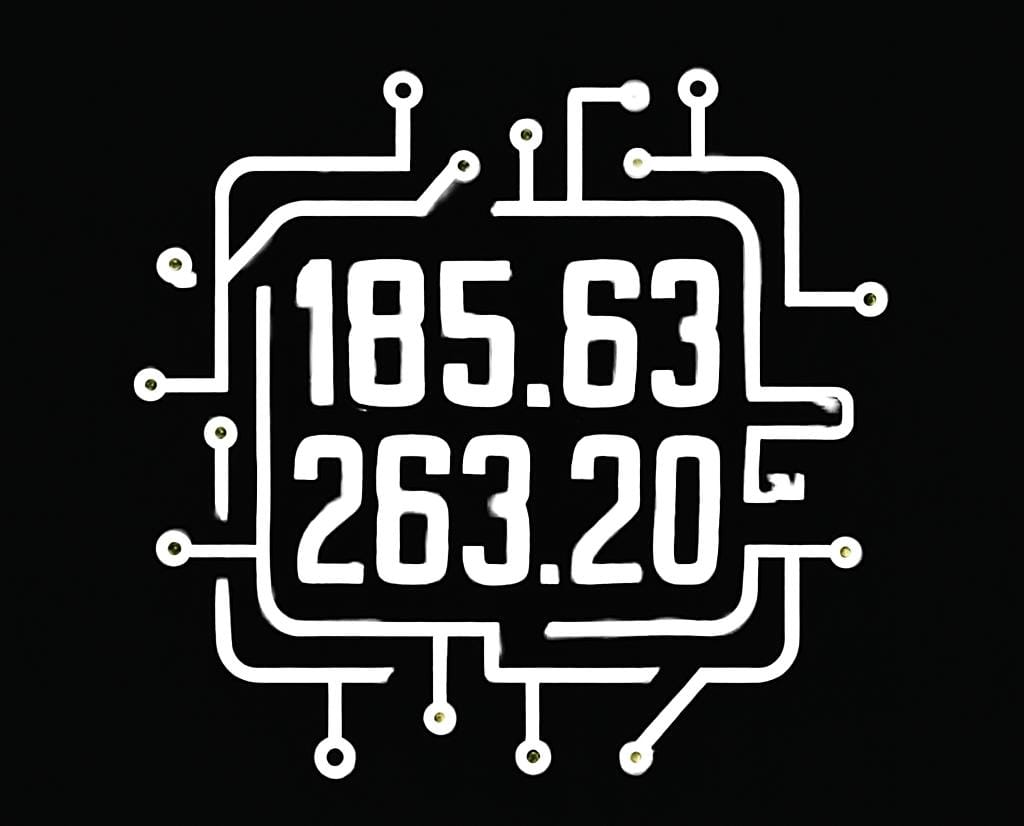
You might have already noticed something odd about 185.63.263.20—the number 263 is outside the valid range for an IPv4 address. Each octet (the sections separated by dots) must contain a number between 0 and 255, meaning 263 is too large to be valid. This means 185.63.263.20 cannot be assigned as a valid IP address in any network.
How Are IP Addresses Assigned?
In a functional network, IP addresses are assigned by either your internet service provider (ISP) or local network administrator. These addresses are crucial for devices to find each other and communicate effectively on the internet. ISPs allocate addresses within certain ranges, often assigned dynamically, meaning they can change each time you connect to the network.
There’s also the possibility of static IP addresses, which remain the same over time. Businesses, for example, often use static IP addresses to ensure reliable and consistent communication with their servers.
The Meaning Behind the Numbers in an IP Address
Each part of an IP address has significance. In a valid address, the numbers represent network and device identification. The first portion of an address identifies the network, while the latter part is used to locate a specific device on that network. For instance, in a company’s private network, the first few numbers might point to the local network, and the last numbers will be assigned to individual devices like computers or printers.
However, in 185.63.263.20, the presence of 263 makes the address technically incorrect, so it can’t be used in a real-world scenario.
How Can You Use IP Addresses?
Even though 185.63.263.20 isn’t a valid address, understanding IP addresses is still valuable. IP addresses are used in numerous ways:
- Troubleshooting Network Issues: If you’re having trouble connecting to a website or service, knowing how to trace and resolve issues using IP addresses can be incredibly helpful.
- Geolocation and IP Address Lookup: IP addresses are often used to approximate a user’s physical location. While this isn’t always accurate, it can give an idea of where an internet request is originating from.
- Security and Blocking: Many websites use IP addresses to block suspicious users or detect malicious activity. Knowing how to identify and block problematic IP addresses is crucial for online safety.
What Happens if You Encounter Invalid IP Addresses Like 185.63.263.20?
If you’re dealing with 185.63.263.20 in a network environment, you might have made a typo or encountered an issue with your network configuration. The presence of an invalid IP address could lead to communication errors or failed connections between devices. Network administrators usually run checks to ensure all IP addresses are within the correct range and properly assigned to avoid issues.
Best Practices for Managing IP Addresses
- Double-Check for Errors: Always ensure that IP addresses are in the correct range (0-255 for each octet) to avoid network problems.
- Use Tools for Diagnosis: Tools like ping and traceroute can help diagnose network issues related to IP addresses.
- Consider Dynamic vs. Static: Understand when to use dynamic IPs and when static IPs are more appropriate for your situation.
Conclusion: Why You Should Care About IP Addresses
While 185.63.263.20 may not be a valid IP address due to the invalid number 263, it serves as a good example of how small errors can lead to significant issues in a network. A proper understanding of IP addresses, how they function, and how they are structured is essential for anyone working in IT or simply managing a home network. Understanding IP addresses not only helps you troubleshoot network issues but also allows you to manage your network securely and efficiently.